The Practice: Fire at the Centre of Every Ritual
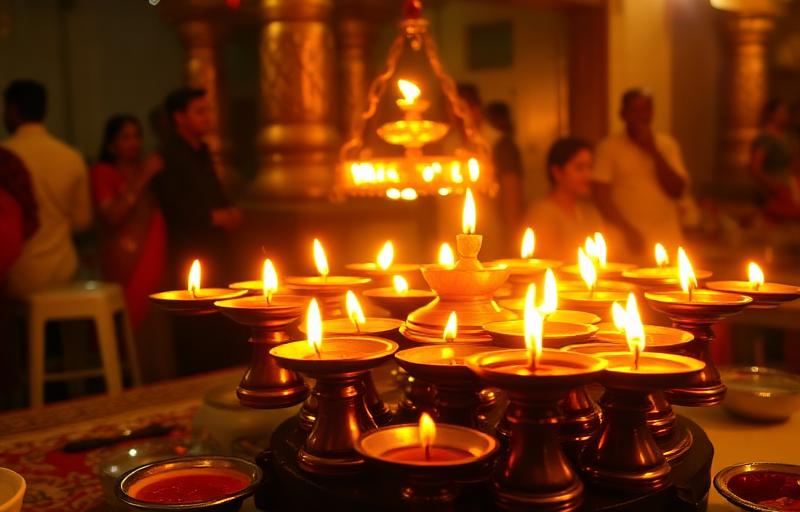
From weddings to daily home havan to grand community yagnas, Hindu rituals are consistently built around a sacred fire lit in a specific fire pit, or kund, into which offerings such as ghee, grains, wood and herbs are placed while mantras are chanted.
This structure barely changes across different occasions, whether it is a small housewarming havan or a large multi-day yagna performed by several priests together.
The Vedic Reasoning: Agni as Messenger
Agni, the fire deity, is one of the oldest and most frequently invoked deities in the Rig Veda, and is traditionally understood as the messenger between humans and the gods. Offerings placed into the fire are believed to be carried by Agni to the deities being invoked, which is why havan and yagna are structured around a central fire pit rather than any other object.
This structure traces back to the earliest known Vedic ritual practice, and its basic form has continued largely unchanged into present-day home and temple havans.
What Fire Symbolises in Ritual
Fire purifies whatever it touches, and in ritual terms this quality is read symbolically as well, as a means of purifying intentions, offerings and the very space in which the ritual takes place. The rising smoke and flame are seen as a visible link between the earthly and the divine, and in weddings specifically, the fire is taken as Agni sakshi, a witness before whom the couple takes their vows.
Fire's warmth and light are also connected to knowledge dispelling ignorance, linking the physical flame in front of the devotee to an inner, spiritual one said to be lit within.
Havan and Yagna in Practice Today
Havans continue to be performed at home for occasions like griha pravesh (housewarming), before weddings, during Navratri and other festivals, and larger community or temple yagnas are still organised for peace and collective well-being.
Priests continue using the same core elements passed down through generations, samidha (sacred wood, often mango or peepal), ghee, and havan samagri, following ritual sequences that have changed very little over time.
A Flame That Carries Every Prayer
The fire at the centre of a havan is treated less like a mere flame and more like a living witness, one believed to carry every spoken prayer upward with full sincerity. Lighting it, and offering to it with full attention, remains an act of faith passed down largely unchanged for generations.
Common Questions From Devotees
Why is ghee offered into the havan fire?+
Ghee is considered a pure and auspicious offering that helps the fire burn cleanly and brightly, and it is one of the most traditional items placed into the flame during a havan.
What is the difference between a yagna and a havan?+
A havan is generally a smaller, often home-based fire ritual, while a yagna traditionally refers to a larger, more elaborate fire ceremony, though both share the same core structure around sacred fire.
Why is the number 108 used in havan offerings?+
108 is considered an especially auspicious number across Hindu tradition, used both in mala chanting and in counting ahutis offered into the fire, though exact counts can vary by ritual and priest.
About the author
Anjali Mehta · Editor, M.A. Religious Studies
Anjali is the managing editor for Vandnaa and oversees the festival and vrat coverage. She holds an M.A. in Religious Studies and reviews every published article for accuracy, accessibility, and tradition-fidelity.
Meet the Vandnaa editorial team →