The Practice: Cow Dung in Daily and Ritual Use
Cow dung, or gobar, is traditionally used to plaster courtyards and puja spaces, shaped into cakes (upla) for havan and cooking fuel, and included as one of the five ingredients in panchagavya, used in certain purification rituals.
This practice continues in many villages today and has even seen a modern revival in urban homes through cow dung based dhoop, diyas and other puja items sold specifically for this purpose.
The Reverence Behind This Tradition
The cow has held a place of deep reverence in Hindu tradition since Vedic times, seen as a maternal, nurturing presence and associated with Kamadhenu, the wish-fulfilling divine cow described in mythology. Every part associated with the cow, including its dung, came to be traditionally treated as valuable and pure, specifically because it came from an animal considered sacred and selfless, giving milk and labour without asking anything in return.
This reasoning is rooted in reverence and faith rather than any claim about the substance itself, and it is this devotional lens that shaped the practice over centuries.
What This Practice Symbolises
A home's threshold or courtyard plastered with cow dung is traditionally considered purified and auspicious, an act tied to respect for the cow's nurturing nature rather than any claim about its properties.
Using cow dung in havan fuel or ritual items is, in the same way, a way of including the cow's presence and blessing within the sacred fire itself, extending the reverence shown to the animal into the ritual space.
How This Custom Continues Today
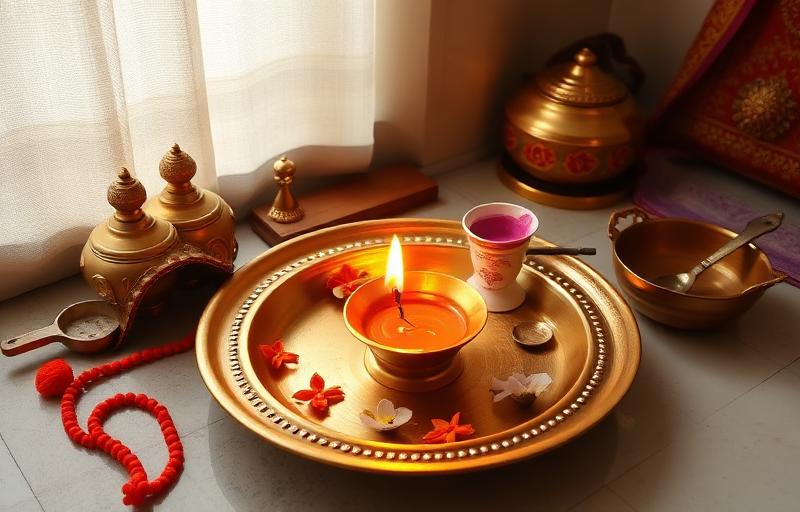
In many villages and some urban homes, cow dung is still used to plaster floors before festivals, and dung cakes remain a traditional fuel for cooking and havan in rural areas. Panchagavya, made from five cow-derived substances, continues to be used in specific temple purification ceremonies as prescribed by tradition.
Cow dung based dhoop sticks, diyas and idols have also seen a fresh wave of popularity in recent years, as some devotees actively seek them out for home puja.
Respect Carried in a Humble Offering
Behind the practical use of cow dung lies a simple devotional idea, that nothing from a creature treated as sacred and giving is considered lesser, and even its humblest offering is welcomed into ritual with respect and gratitude.
Quick Answers
Why is the cow considered sacred in Hindu tradition?+
The cow is revered as a maternal, nurturing presence associated with Kamadhenu in mythology, and this deep reverence for the animal extends traditionally to everything connected with it.
What is panchagavya?+
Panchagavya is a traditional mixture of five cow-derived substances, used in specific Hindu purification ceremonies as prescribed by temple and ritual tradition.
Why is cow dung shaped like a hill during Govardhan Puja?+
It represents Govardhan Parvat, recalling the katha of Krishna lifting the mountain to protect the people of Vrindavan, making the ritual a direct devotional link to that story.
About the author
Pandit Mahesh Trivedi · Festival Traditions & Panchang
Pandit Mahesh leads the festival-date and Panchang content on Vandnaa. He cross-references multiple regional panchangs (Drik, Vaishnava, Bengali, Marathi) for every festival date published on the site.
Meet the Vandnaa editorial team →