The Practice: Copper and Brass in the Puja Thali
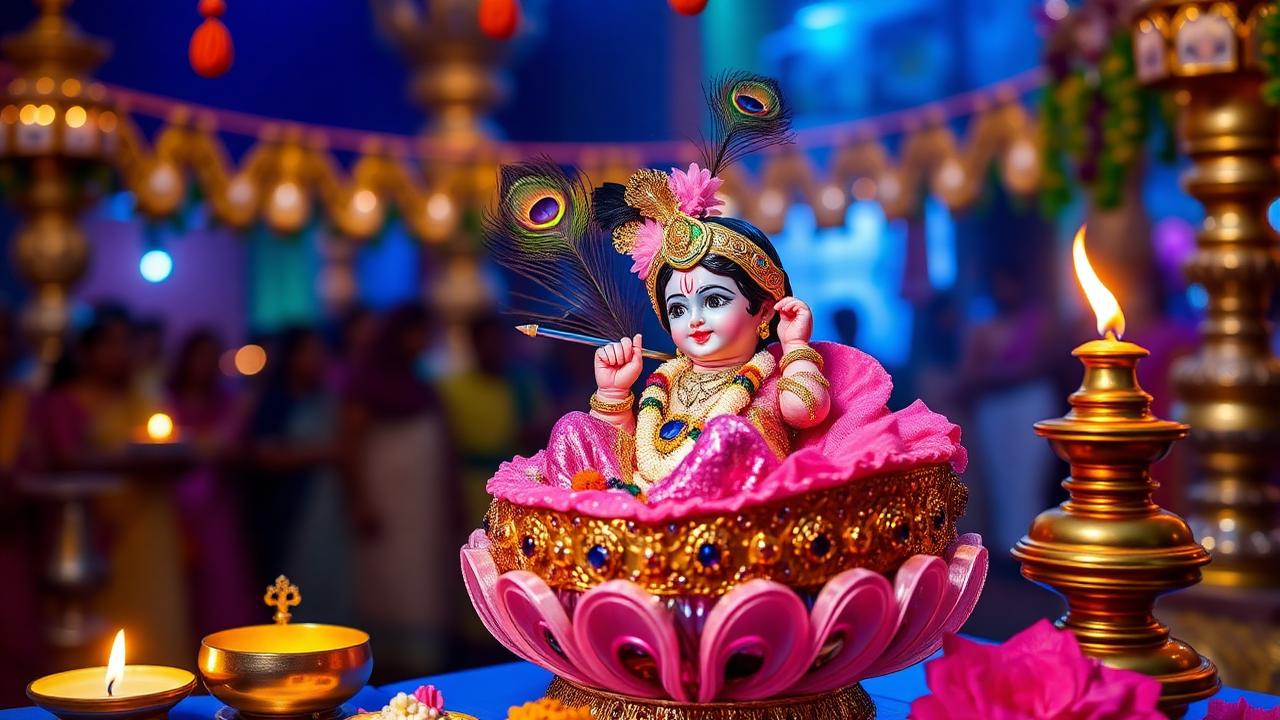
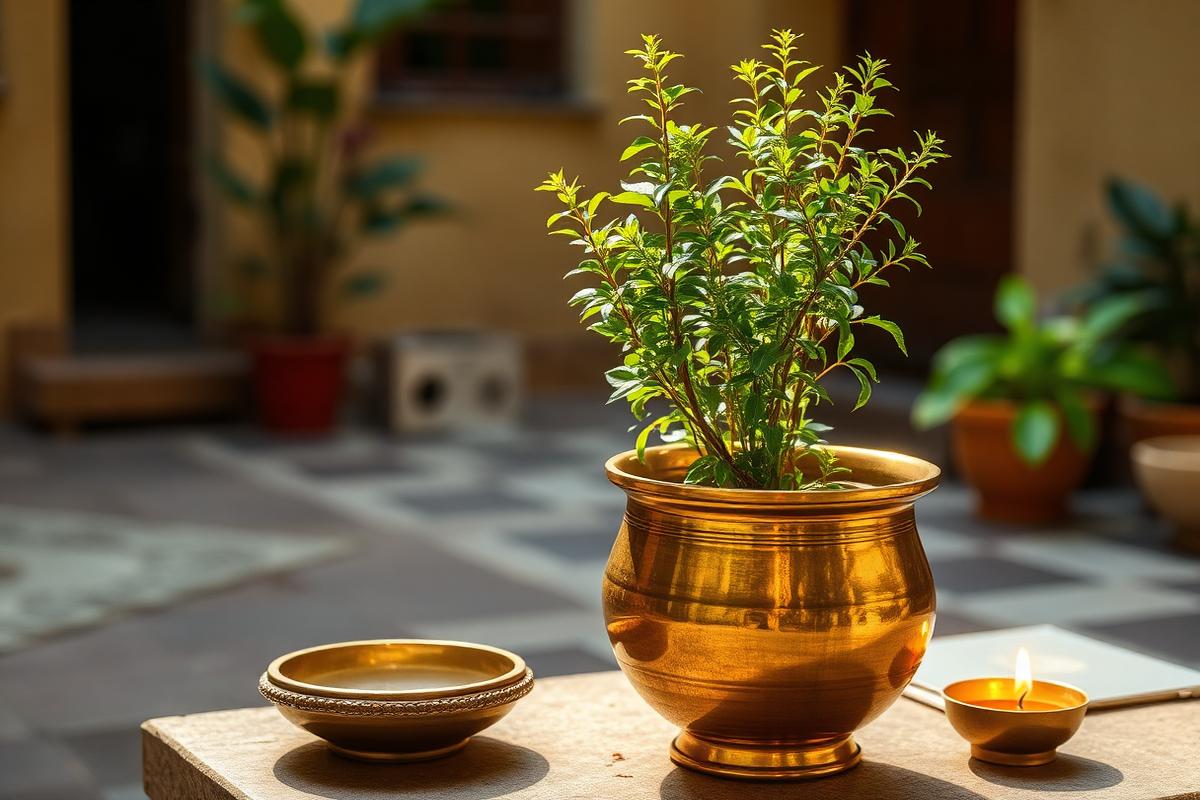
Look inside most Hindu puja rooms and you will find the kalash (pot), lota (small water vessel), diya, thali and bell made of copper or brass, rather than steel, glass or plastic. This is true across most regions and communities, from a simple home puja to a large temple ritual.
Even families who use steel utensils for everyday cooking usually keep a separate set of copper or brass items reserved only for puja, cleaned and polished before use.
Why These Metals, Traditionally
Copper and brass vessels have been part of yagna and puja since Vedic times, when metal pots were used to hold water, offer arghya and store sacred items during rituals. Copper, in particular, has long been associated with Surya, the sun, and was considered a shuddh, or pure, metal fit for the divine.
Water kept in a copper vessel, known as tamba jal, has also been valued in daily life for generations, and this same trust in copper's purity carried naturally into puja practice.
What Copper and Brass Represent
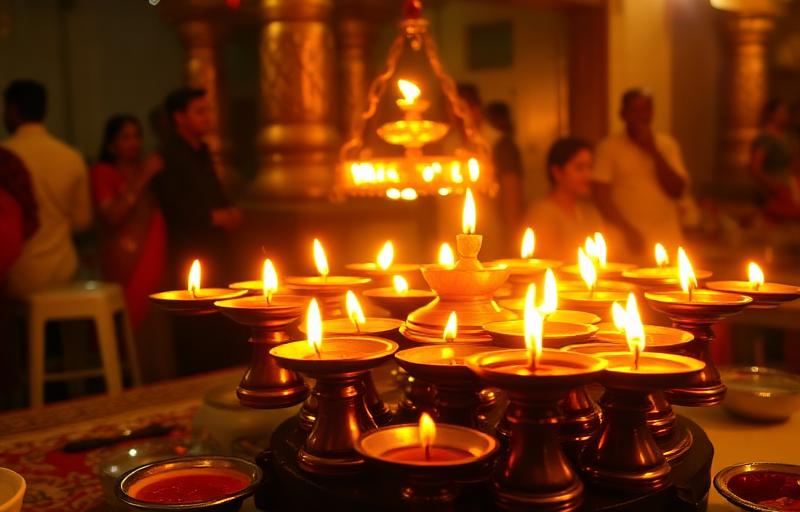
Brass, an alloy of copper and zinc, carries a warm golden glow reminiscent of gold, offering the deity something visually rich and auspicious without needing actual gold. A well-polished copper or brass vessel catching diya light is itself considered to add to the sanctity of the puja space.
Using these particular metals is also seen as an act of offering one's best rather than the most convenient option, a small gesture of care in how the divine is approached.
This Choice in Homes and Temples Today
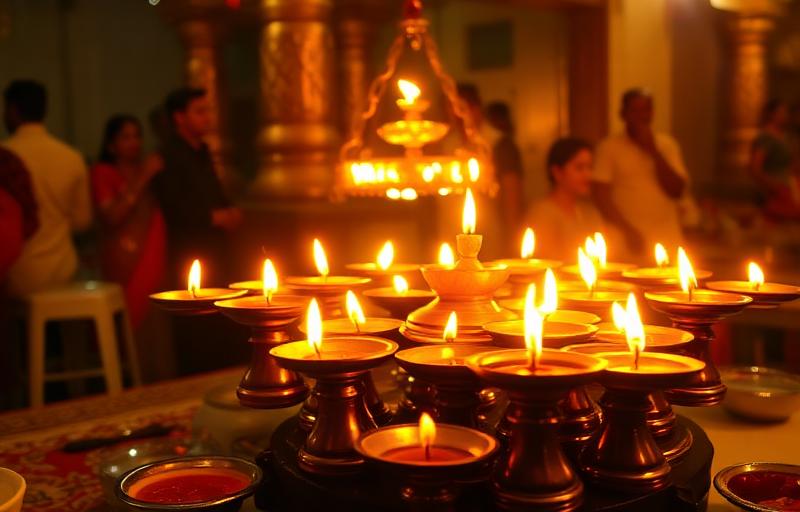
Kalash, diyas and lotas in copper or brass remain the standard choice in most Hindu households and temples for both daily and festival puja, even though steel and plastic versions are cheaper and need less upkeep. Many families keep a dedicated set of these vessels, polishing them with tamarind or lemon-based pastes to keep them bright before festivals.
Temple stores and puja item shops still sell copper and brass items as the default, with steel or other metals treated as a modern alternative rather than the norm.
A Small Way of Offering One's Best
A shining copper kalash or brass diya may seem like a small detail, but it reflects a much larger devotional habit, choosing care and quality in how one approaches God, even in the smallest of items. Worship is an act of faith and love, and even the metal of a vessel can carry that intention.
Quick Answers
Can steel vessels be used for puja instead of copper or brass?+
Many families still prefer copper or brass out of tradition, but this is a matter of custom and personal faith rather than a strict rule, and steel is used in many modern homes without concern.
Why is copper linked to purity in Hindu tradition?+
Copper has traditionally been associated with Surya, the sun, and has long been trusted for storing water in daily life, which is why it came to be seen as a shuddh, or pure, metal suited for puja.
How should copper and brass puja vessels be cleaned?+
They are traditionally cleaned with natural ingredients like tamarind and lemon, which help restore their shine before daily puja or festivals.
About the author
Pandit Mahesh Trivedi · Festival Traditions & Panchang
Pandit Mahesh leads the festival-date and Panchang content on Vandnaa. He cross-references multiple regional panchangs (Drik, Vaishnava, Bengali, Marathi) for every festival date published on the site.
Meet the Vandnaa editorial team →