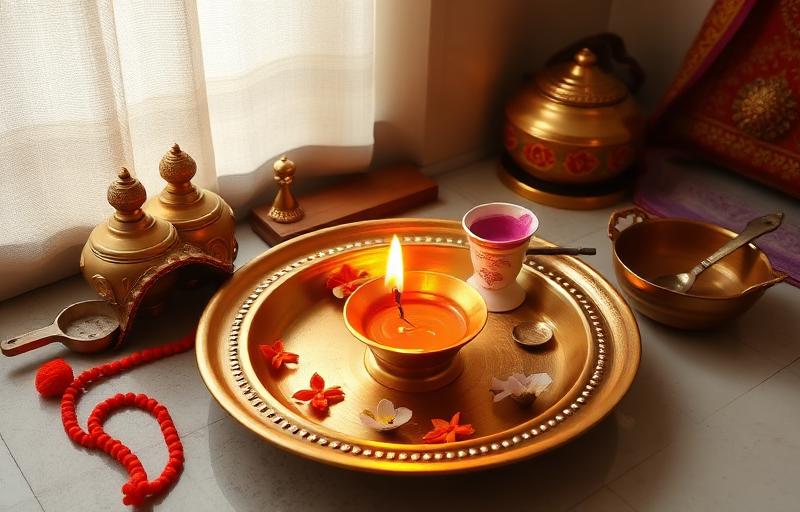
A Threshold Every Indian Knows
Long before a child learns a single shloka, they learn this: shoes come off at the temple gate. The neat, chaotic rows of chappals outside a mandir are one of India's most familiar sights, and the rule holds with equal force at the smallest home mandir, where even house slippers stop at the puja room door. The same instinct extends to gurudwaras, mosques, dargahs, and many Indian homes themselves. Why is this single act so universal and so non-negotiable? The answer is a braid of several strands: the principle of shaucha (purity) that governs all worship, old beliefs about leather and footwear as carriers of impurity, the symbolism of leaving the outer world at the door, the humility of bare feet on sacred earth, and a layer of practical hygiene wisdom that our ancestors wove into devotion itself.
Shaucha - The Purity of Sacred Ground
Shaucha, cleanliness of body, surroundings, and mind, is the first of the niyamas in yogic tradition and the foundation of all puja. A temple is not ordinary space; through prana pratishtha, the deity is invoked as truly present, making the entire precinct the Lord's own courtyard. The ground itself is treated as charged with sanctity - it is washed daily, sprinkled with water, and circumambulated with reverence. Shoes, by contrast, are the most impure articles we own: they walk through streets, dust, drains, and worse, gathering everything the world discards. Bringing them onto consecrated ground would carry the world's impurity straight into the deity's presence, like walking into a kitchen with muddy boots, only graver. Removing footwear at the threshold honours the line between ashuddha (impure) and shuddha (pure), the line on which all ritual life rests.
The Leather Belief - Why Footwear Was Doubly Avoided
Traditional footwear was made of leather, and in dharmic tradition leather carries a second layer of restriction beyond street dirt. Since it comes from the hide of dead animals, leather is associated with death-related impurity and himsa (violence), both considered incompatible with the deity's presence. This is why orthodox practice keeps leather articles - belts, wallets, watch straps - out of the sanctum and the puja room, not only shoes, and why japa malas and puja asanas are made of cotton, wool, kusha grass, or rudraksha instead. Interestingly, tradition makes its exceptions thoughtfully: deerskin asanas appear in some ascetic traditions under entirely different rules. For the ordinary devotee, the guidance has remained simple for centuries: whatever is born of slaughter does not enter the Lord's courtyard. Even today, many priests request devotees to set aside leather items before performing havan or sankalp.
Leaving the Outer World at the Door - The Symbolism

Beyond purity lies a quieter, deeper meaning. Shoes are our equipment for the outer world - for haste, business, ambition, and the long roads of daily survival. Removing them at the temple threshold is a ritual of leaving that world behind. With the shoes, the devotee symbolically sets down the roles and burdens they carry: profession, status, worry, hurry. One enters the sanctum as bare and simple as one entered life. Saints have often pointed to the story of Bharata carrying Shri Ram's padukas - the sandals enthroned while the Lord walked the forest barefoot - as a reminder that before God, feet and their coverings tell a story of humility. The bare foot cannot strut; it steps gently, feels the cool stone, and slows the devotee down. In that slowing, darshan begins before one even reaches the deity.
Bare Feet on Sacred Earth - The Connection of Sparsh
Tradition treats the temple ground as tirtha - earth made holy by the deity's presence and centuries of prayer. Walking it barefoot is not deprivation but privilege: the devotee receives the sanctity of that ground through direct touch (sparsh), the same reason pilgrims do parikrama barefoot at Govardhan and walk unshod to hill shrines. Elders described the soles of the feet as points through which the body exchanges energy with the earth, and held that contact with consecrated ground steadies and purifies the worshipper - a belief best honoured as traditional wisdom of the heart. There is also a teaching of equality hidden here: at the temple gate, the millionaire's polished shoes and the labourer's worn chappals wait side by side in the same dust, and inside, every pair of bare feet looks alike before God.
The Hygiene Wisdom Woven into the Custom
Like many dharmic customs, this one carries everyday wisdom inside its ritual form. Temples are spaces where people sit, kneel, bow, and prostrate on the floor, where prasad is eaten from the palm, and where children crawl beside their parents. Keeping street footwear out keeps the dust, mud, and waste of the road away from surfaces that touch foreheads and food. Our ancestors paired the rule with supporting habits: washing feet at the temple tank or tap before entering (many old temples have a pada-prakshalana spot at the gate), daily washing of the temple floors, and the same shoes-off rule at home, where floors double as dining and sleeping space. Tradition expressed this care in the language of purity rather than microbes, and it is wise to receive it that way - as heritage that quietly protected health while serving devotion.
Etiquette for Home Mandirs and Modern Settings
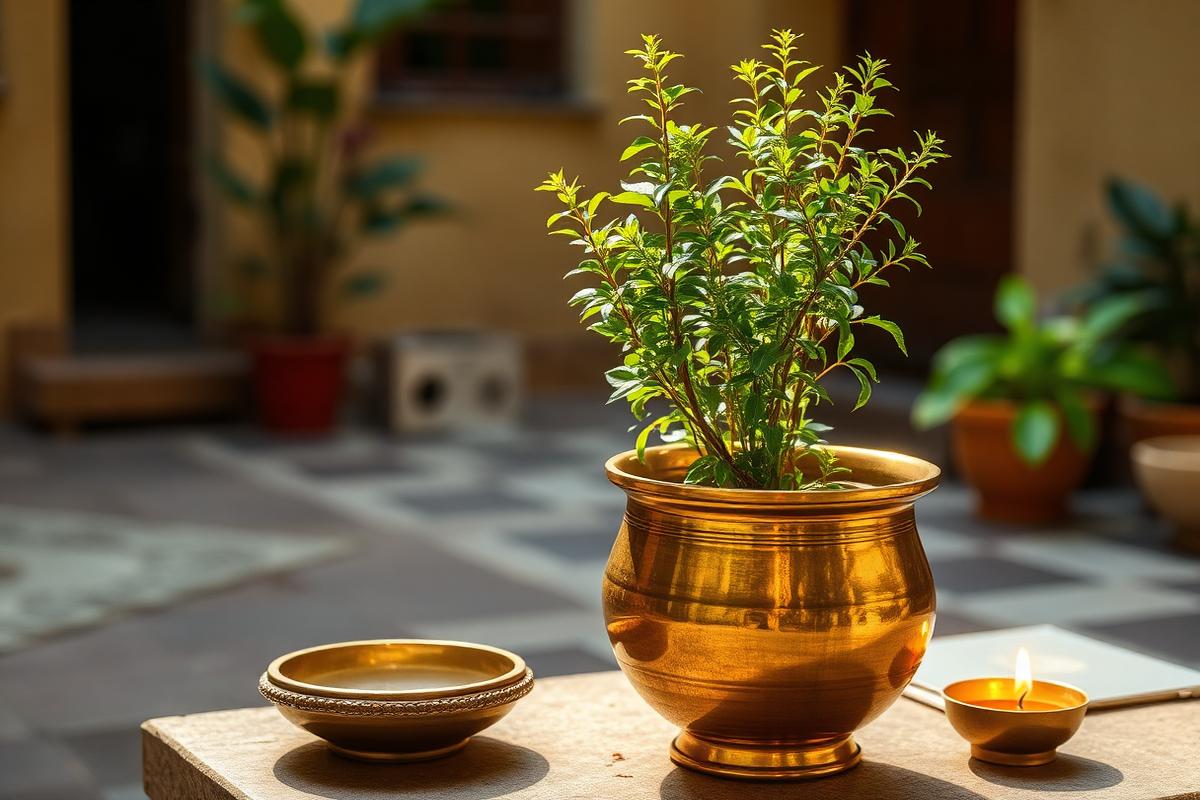
Carrying the tradition into modern life is simple: 1. Treat the home mandir like a small temple: no footwear in the puja room, and ideally wash or wipe your feet before the morning puja. 2. If the mandir is a shelf or corner in a shared room, keep the area beneath and before it clean, and avoid pointing feet or stepping over puja items. 3. In apartments, keep separate indoor chappals that never go outside; most families still keep even these out of the puja room. 4. At workplaces or hospitals where removing shoes is impossible, fold your hands and bow from where you are - bhava is accepted where vidhi cannot reach. 5. When visiting temples abroad, follow the shoe-rack system and carry socks for hot or cold floors if needed; socks are generally acceptable where bare feet are difficult. 6. Teach children the why, not just the rule, so the threshold remains meaningful for the next generation.
What People Ask Most
Why do we remove shoes before entering a temple?+
Because the temple is consecrated ground where the deity is invoked as present, and shaucha (purity) is the foundation of worship. Shoes carry the impurity of the streets, and traditional leather footwear carried an added association with himsa. Removing them also symbolises leaving the outer world and ego at the door.
Why is leather specially avoided in puja and temples?+
Leather comes from the hide of dead animals, so tradition associates it with death-related impurity and himsa, both considered incompatible with the deity's presence. Orthodox practice therefore keeps belts, wallets, and watch straps out of the sanctum too, and uses cotton, wool, kusha, or rudraksha for malas and asanas.
Should shoes be removed before a home mandir too?+
Yes, the home mandir is treated as a small temple, so footwear stays out of the puja room, and most families keep even indoor chappals away from it. If your mandir is a corner of a shared room, keep the space before it clean and avoid pointing feet towards the deities.
Is wearing socks inside a temple acceptable?+
In most temples, yes - socks are generally acceptable, especially on very hot stone courtyards in summer or icy floors in winter, and in temples abroad. A few orthodox shrines prefer fully bare feet, so follow the local custom or simply ask. The essential rule is removing street footwear.
What does removing shoes symbolise spiritually?+
Shoes are our equipment for the outer world of haste and ambition. Setting them down at the threshold symbolises leaving behind worldly roles, status, and worries, and entering the divine presence simple and bare, as one entered life. The bare foot also walks slowly and humbly, preparing the mind for darshan.
Do other faiths in India also remove shoes at holy places?+
Yes. Shoes are removed at gurudwaras, mosques, dargahs, Jain derasars, and Buddhist viharas alike, and in most Indian homes as well. The shared instinct across traditions is the same: sacred ground deserves the purity and humility of bare feet, and the dust of the road stays at the door.
About the author
Dr. Suresh Iyer · Vastu Shastra & Jyotish, 18+ years
Dr. Suresh has practiced traditional Vastu and basic Vedic Jyotish for over 18 years across South India. He contributes the Vastu, direction, and home-puja layout guides on Vandnaa.
Meet the Vandnaa editorial team →