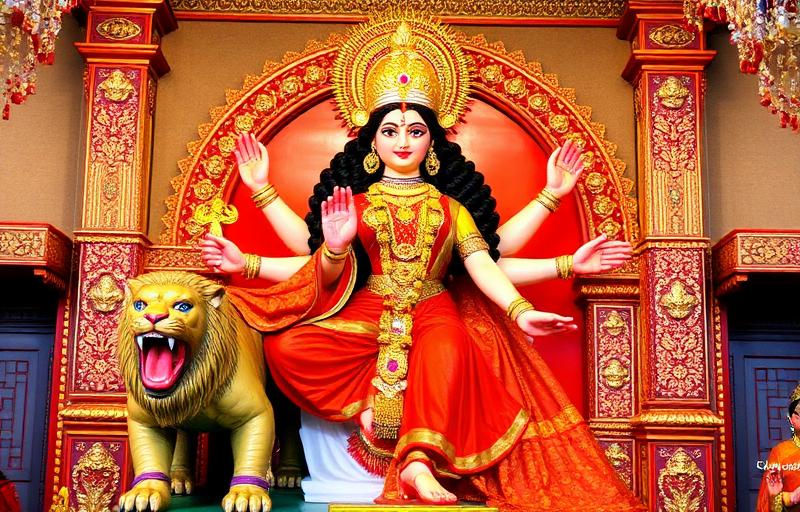
What Is the Ya Devi Sarvabhuteshu Mantra?
Ya Devi Sarvabhuteshu is the most loved refrain of the Devi Mahatmya, the great scripture of the Goddess. The words mean 'to that Devi who abides in all beings'. Each verse names one form in which the Goddess lives inside every creature - as śakti (power), śānti (peace), buddhi (intelligence), kṣamā (forgiveness), dayā (compassion) and many more - and then bows to her three times. The mantra is not a request for anything. It is pure recognition: whatever moves, thinks, rests or loves in this universe does so because the Devi herself is present there. That is why this hymn, also called the Tantrokta Devi Suktam or Aparajita Stuti, is chanted with such devotion during Navratri, when devotees seek to awaken the same divine energy within themselves.
Full Mantra in Devanagari with Transliteration
The three most chanted verses honour the Devi as power, peace and intelligence.
या देवी सर्वभूतेषु शक्तिरूपेण संस्थिता। नमस्तस्यै नमस्तस्यै नमस्तस्यै नमो नमः॥
yā devī sarvabhūteṣu śaktirūpeṇa saṁsthitā, namastasyai namastasyai namastasyai namo namaḥ
या देवी सर्वभूतेषु शान्तिरूपेण संस्थिता। नमस्तस्यै नमस्तस्यै नमस्तस्यै नमो नमः॥
yā devī sarvabhūteṣu śāntirūpeṇa saṁsthitā, namastasyai namastasyai namastasyai namo namaḥ
या देवी सर्वभूतेषु बुद्धिरूपेण संस्थिता। नमस्तस्यै नमस्तस्यै नमस्तस्यै नमो नमः॥
yā devī sarvabhūteṣu buddhirūpeṇa saṁsthitā, namastasyai namastasyai namastasyai namo namaḥ
The complete hymn repeats this pattern for more than twenty forms of the Goddess, including viṣṇumāyā (cosmic illusion), cetanā (consciousness), nidrā (sleep), kṣudhā (hunger), chāyā (shadow), tṛṣṇā (longing), lajjā (modesty), śraddhā (faith), lakṣmī (prosperity), smṛti (memory), dayā (compassion), tuṣṭi (contentment) and mātṛ (mother). Only the central word changes; the salutation stays the same.
Word-by-Word Meaning
Every word of this short verse carries weight. Here is the breakdown: 1. yā - who, that very one 2. devī - the Goddess, the shining divine feminine 3. sarvabhūteṣu - in all beings, in every creature (sarva means all, bhūteṣu means in beings) 4. śaktirūpeṇa - in the form of power or energy (śakti is power, rūpeṇa means in the form of) 5. saṁsthitā - is firmly established, abides, dwells 6. namastasyai - salutations to her (namaḥ is salutation, tasyai means to her) 7. namo namaḥ - salutations again and again
Overall meaning: 'To that Goddess who abides in all beings in the form of power - salutations to her, salutations to her, salutations to her, again and again.' In the other verses, śakti is replaced by śānti (peace), buddhi (intelligence) and the remaining forms, while everything else stays unchanged.
Deeper Meaning - The Devi in All Beings

The genius of this mantra is the word sarvabhūteṣu - in all beings, not only in saints or temples. The strength in a labourer's arms, the calm in a sleeping child, the sharp thinking of a student, the hunger of a bird, the patience of a mother - the hymn says all of these are the Devi herself at work. There is no place where she is not. This dissolves the wall between worship and daily life: honouring any being becomes honouring the Goddess. The triple repetition of namastasyai is traditionally understood as salutation through body, speech and mind, the three instruments of a human being. When you bow with all three, nothing of you is left outside the prayer. Chanting it slowly trains the eye to see divinity in difficult people too, which is why teachers call it a practice of darshan, not just recitation.
Source - Devi Mahatmya and Durga Saptashati
These verses come from the fifth chapter of the Devi Mahatmya, a 700-verse scripture embedded in the Markandeya Purana. Because of its 700 (sapta-śata) verses, it is popularly called the Durga Saptashati, and in Bengal the Chandi Path. The setting is dramatic: the demon brothers Shumbha and Nishumbha have seized heaven, and the defeated gods gather in the Himalayas to praise the Goddess. Their hymn of surrender is this very litany - they salute the Devi who lives in all beings as illusion, consciousness, sleep, hunger, power, peace, faith and mother, begging her to rise for the protection of the worlds. Moved by their devotion, the Goddess appears as Parvati and then as the radiant Ambika or Kaushiki. The hymn is therefore also called the Aparajita Stuti, the praise of the unconquerable one, recited before her greatest battle.
Benefits of Regular Chanting
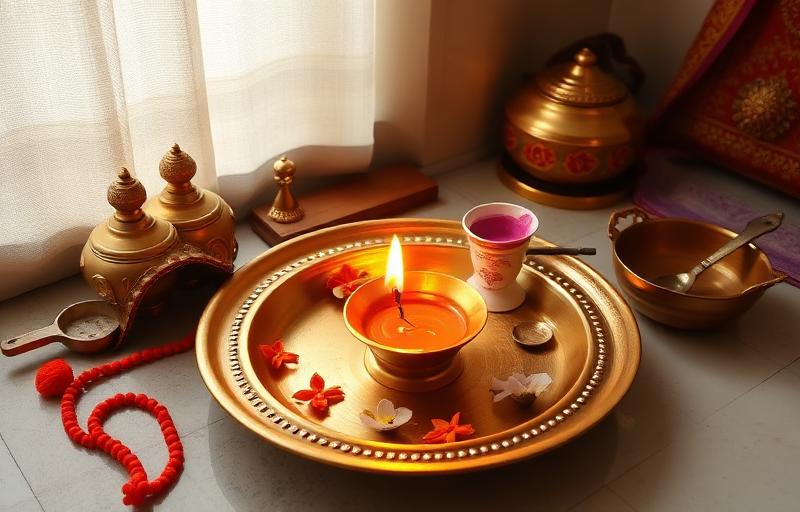
Devotees turn to this mantra for both inner and outer strength. Tradition and lived experience point to these benefits: 1. Courage and shakti - saluting the Devi as power awakens confidence in facing fear, illness and injustice. 2. Mental peace - the śānti verse, repeated slowly, calms anxiety the way a lullaby calms a child. 3. Clarity of thought - invoking the Devi as buddhi is a traditional prayer of students and decision-makers. 4. Softening of relationships - seeing the Goddess in every person reduces anger and judgement. 5. Devotional depth during Navratri - the hymn ties your personal sadhana to the cosmic story of the Devi's victory. The rhythm itself is meditative; even those who do not know Sanskrit report that the repeated namastasyai settles the breath. The real fruit, the Devi Mahatmya promises, is her remembrance in difficulty - she removes the suffering of those who remember her.
Frequently Asked Questions
What does Ya Devi Sarvabhuteshu mean in simple words?+
It means 'to that Goddess who dwells in all beings'. Each verse names a form - power, peace, intelligence, compassion - in which the Devi lives inside every creature, and then bows to her three times with the words namastasyai namastasyai namastasyai namo namah.
Which scripture does the Ya Devi mantra come from?+
It comes from the fifth chapter of the Devi Mahatmya, also called the Durga Saptashati or Chandi Path, which is part of the Markandeya Purana. The hymn is sung by the gods to invoke the Goddess before her battle with Shumbha and Nishumbha, and is also known as the Aparajita Stuti or Tantrokta Devi Suktam.
Can I chant Ya Devi Sarvabhuteshu daily, or only during Navratri?+
You can chant it every day. Navratri is simply considered the most potent period because those nine nights are dedicated to the Devi. Daily chanting in the morning or evening, even of just the shakti, shanti and buddhi verses, is a complete and traditional practice.
How many times should the mantra be chanted?+
There is no rigid rule. Common counts are 3, 11, 21 or 108 repetitions. What matters more than the number is slow, clear pronunciation and remembering the meaning - that the Devi is present in every being around you.
Why is namastasyai repeated three times?+
The triple salutation is traditionally explained as bowing with body, speech and mind - the three instruments through which a human being acts. Repeating it thrice also adds devotional intensity, expressing that one salutation is simply not enough for the Mother of the universe.
Do I need a priest or initiation to chant this mantra?+
No. The Ya Devi verses are a stuti, an open hymn of praise, and anyone may chant them with devotion regardless of age or gender. Formal rituals like the full Saptashati path with sankalpa are often done with a priest, but the hymn itself needs only a clean place and a sincere heart.
About the author
Acharya Vinaya Kapoor · M.A. Sanskrit, Mantra & Stotra Studies
Acharya Vinaya holds an M.A. in Sanskrit from Banaras Hindu University and writes the mantra and stotra commentary on Vandnaa. Her focus is on accurate pronunciation, traditional context, and helping modern readers connect with classical texts.
Meet the Vandnaa editorial team →