Who Is Alakshmi?
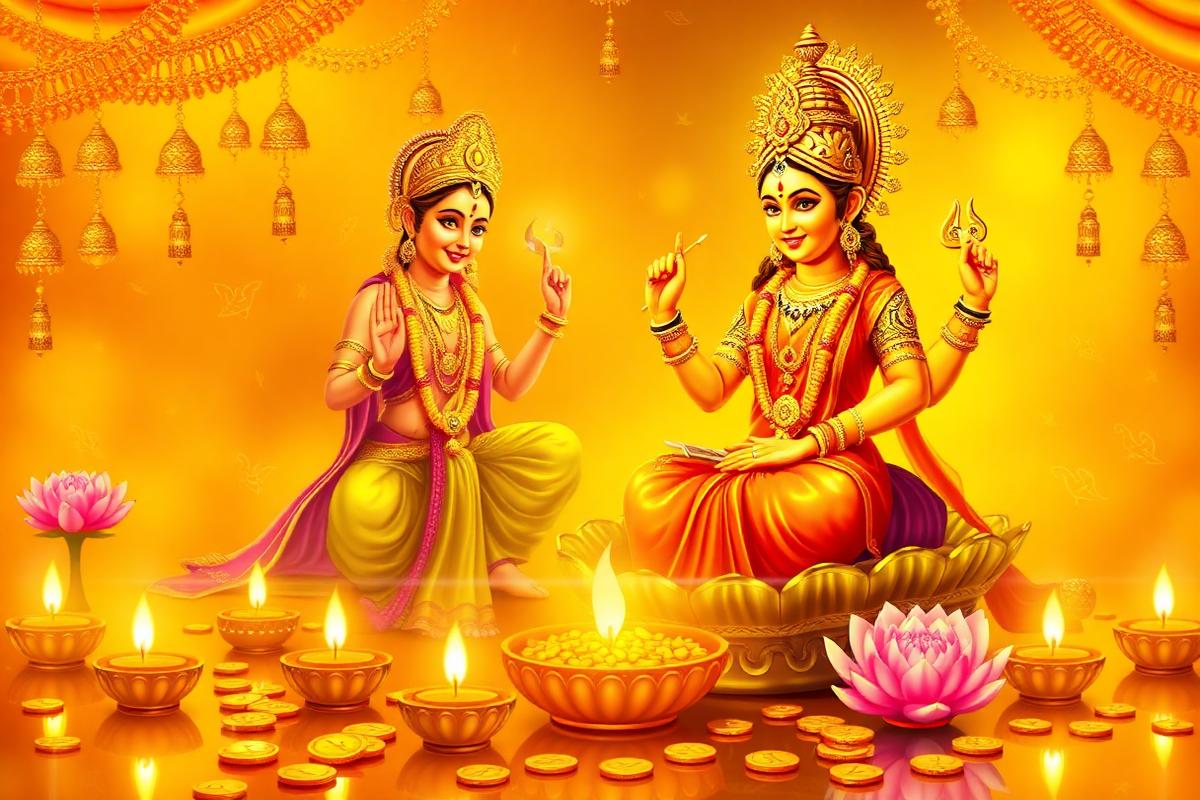
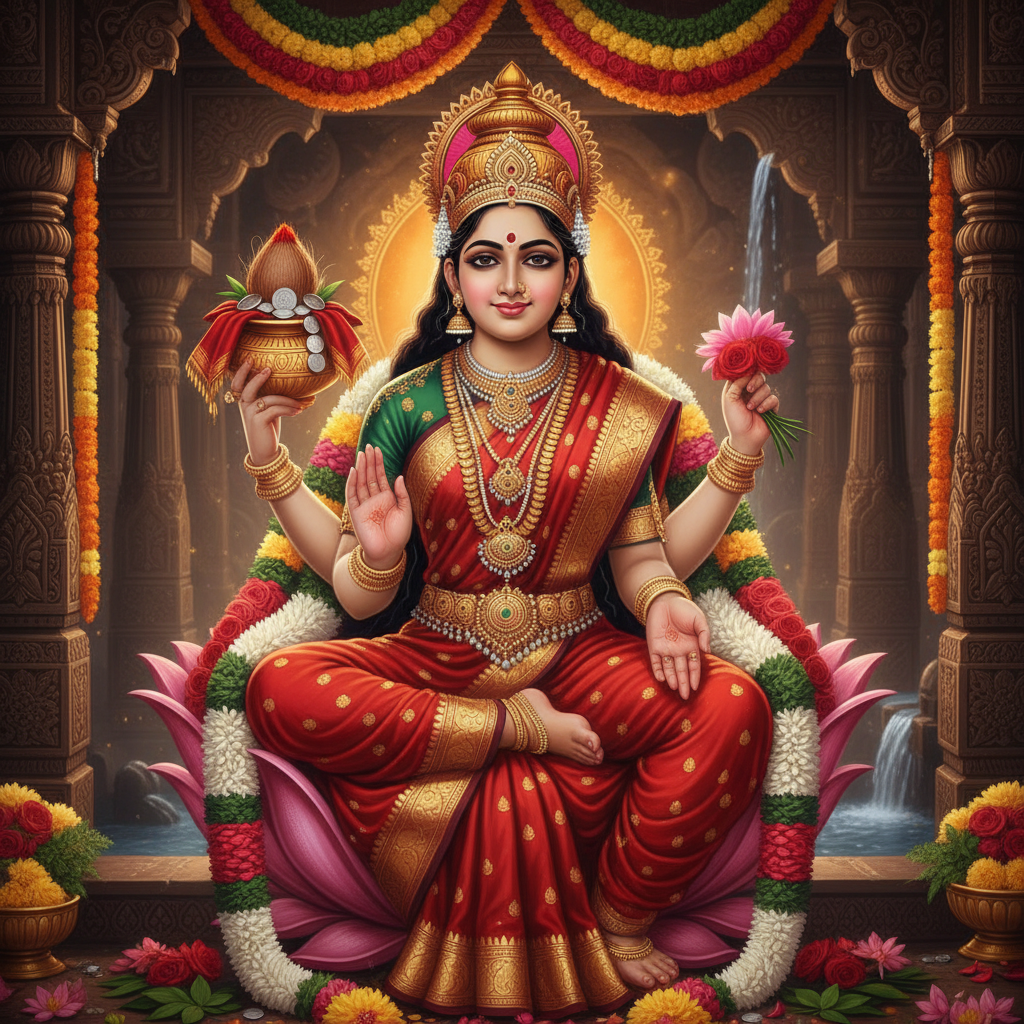
In Hindu tradition, Alakshmi is described as the elder sister of Goddess Lakshmi, the very opposite of everything Lakshmi represents. Where Lakshmi is prosperity, beauty and grace, Alakshmi is said to embody poverty, discord, laziness and misfortune.
She is not worshipped with the same devotion as other goddesses. Instead, she holds an important place in Hindu belief as a reminder of what invites hardship into a home, and how tradition teaches devotees to gently send such energies away rather than dwell on them with fear.
The Katha of Her Origin
According to tradition connected with the great Samudra Manthan, the churning of the cosmic ocean, Alakshmi is said to have emerged even before Lakshmi appeared. As the elder, she is described as unkempt, quarrelsome and drawn to places of dirt, disorder and neglect.
Because the devas and asuras had no place for her among the treasures they sought, tradition holds that she moves toward homes and hearts that welcome her through carelessness. This is why Alakshmi is not invited; she simply enters wherever cleanliness, harmony and devotion are absent.
What Alakshmi Represents
Alakshmi is best understood not as a being to fear, but as a symbol. She represents the very real forces that erode peace and prosperity in daily life: uncleanliness, wasteful habits, constant quarrelling, greed and neglect of one's home and relationships.
By giving these tendencies a name and a form, Hindu tradition makes them easier to recognise and address. Devotees are taught that where Alakshmi's qualities take root, Lakshmi's blessings naturally struggle to remain.
How Tradition Asks Us to Send Her Away

- Homes are cleaned thoroughly before Diwali, especially corners, doorways and store-rooms, since tradition holds that Alakshmi lingers in neglected spaces.
- A diya is lit at the entrance each evening, as light is believed to discourage negativity and welcome Lakshmi instead.
- Some households sweep outward from inside the home, symbolically escorting misfortune out the door.
- Elders often teach that gentle speech and avoiding quarrels, especially during festival days, keeps the home unwelcoming to Alakshmi.
None of this is treated as superstition to fear, but as a disciplined, faith-led way of keeping a home orderly and harmonious.
Alakshmi and Lakshmi - Two Sisters, One Lesson
Devotees often reflect that Lakshmi and Alakshmi being described as sisters carries a deeper meaning: prosperity and hardship are never far apart, and one can turn into the other depending on how a home and a heart are kept.
This is why so many Lakshmi rituals, from Diwali cleaning to the lighting of lamps, are really about creating conditions where Alakshmi's qualities have no place to settle, allowing Lakshmi's grace to flow in naturally.
A Simple Takeaway for Daily Life
The story of Alakshmi is ultimately a gentle, practical teaching wrapped in devotion: keep the home clean, keep the heart calm, and keep relationships free of needless conflict. As per tradition, this is enough to make a home unwelcoming to misfortune and open to grace.
Worship, in this sense, is as much about daily discipline as it is about ritual. It is an act of faith and love, not a transaction.
Frequently Asked Questions
Is Alakshmi worshipped in temples?+
Alakshmi is not worshipped the way other deities are. She is acknowledged in tradition mainly through rituals of cleanliness and light that are meant to keep her qualities away from the home.
Why is Alakshmi called Lakshmi's elder sister?+
Tradition describes them as sisters born around the churning of the ocean, to show that prosperity and hardship are closely linked and depend on how a home is kept.
What is the connection between Alakshmi and Diwali cleaning?+
The deep cleaning done before Diwali is traditionally seen as a way to remove the neglect and disorder where Alakshmi is said to dwell, preparing the home for Lakshmi's arrival.
About the author
Pandit Mahesh Trivedi · Festival Traditions & Panchang
Pandit Mahesh leads the festival-date and Panchang content on Vandnaa. He cross-references multiple regional panchangs (Drik, Vaishnava, Bengali, Marathi) for every festival date published on the site.
Meet the Vandnaa editorial team →