A Familiar Pairing on Diwali Night
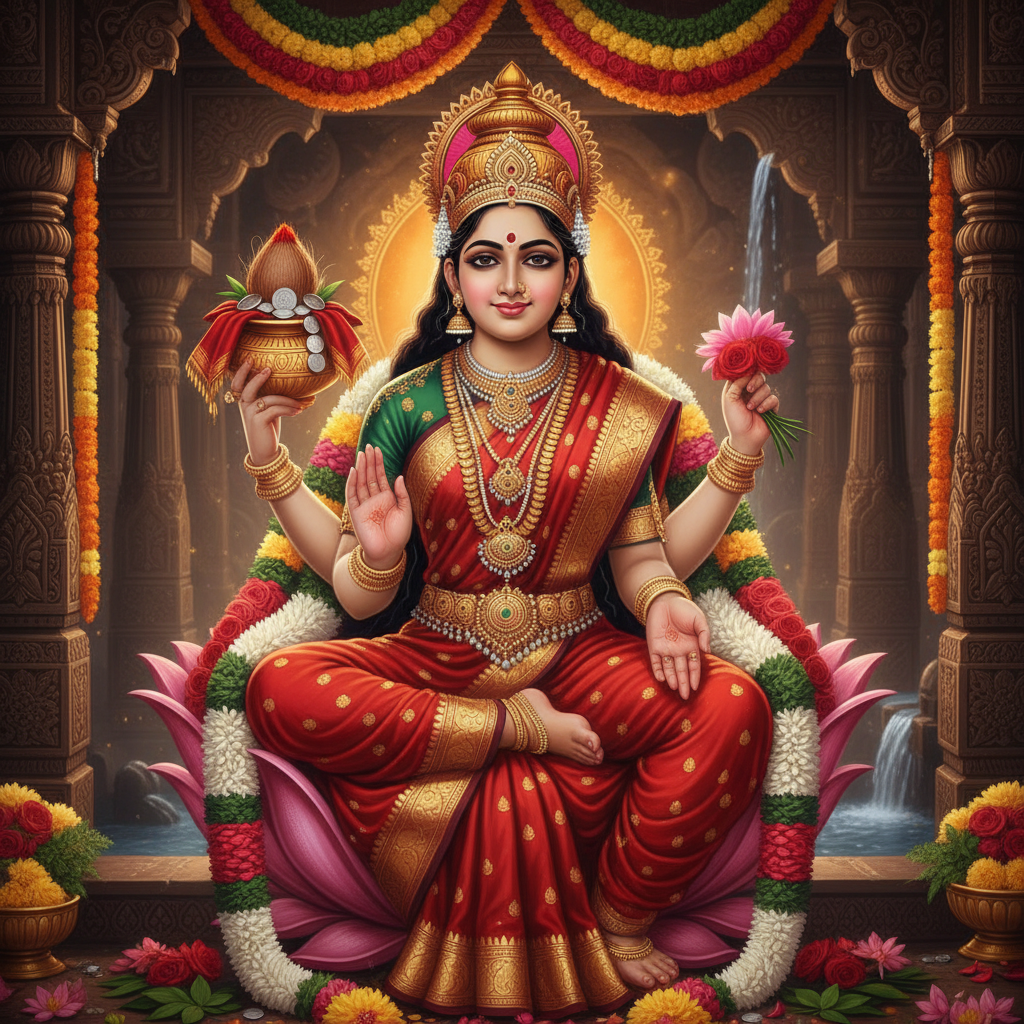
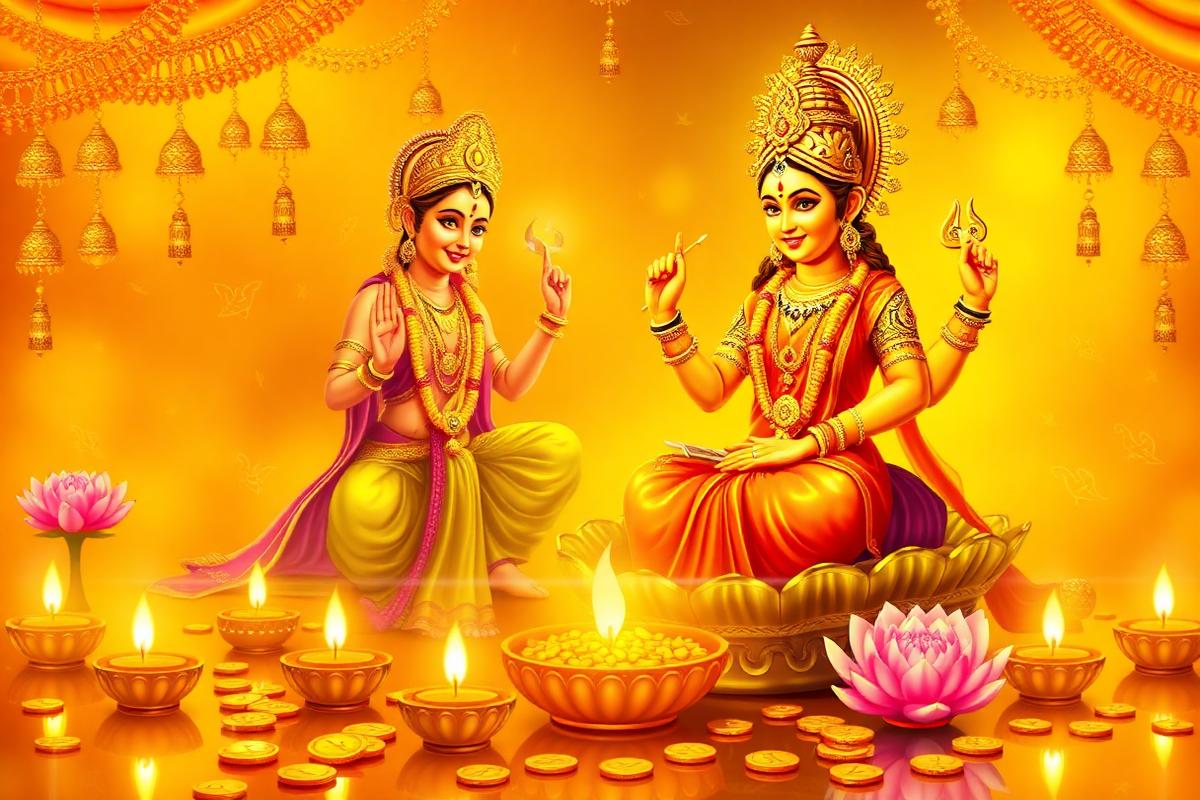
On Diwali night, across Hindu households, Goddess Lakshmi and Lord Ganesha are worshipped together, their images placed side by side on the puja altar. This pairing is so familiar that many devotees grow up never questioning it, yet it carries a specific and thoughtful meaning.
Ganesha is worshipped first in almost all Hindu rituals as Vighnaharta, the remover of obstacles, and Diwali is no exception, even though the night belongs primarily to Lakshmi.
The Katha Behind Their Joint Worship
One well-loved katha tells that when Lakshmi decided to reside permanently in devotees' homes, she worried that wealth alone, without wisdom, could bring arrogance, waste or conflict. She asked Ganesha to accompany her, so that wherever she entered, his wisdom and discernment would enter too.
Another telling holds that Lakshmi asked Ganesha to guard her from being misused or driven away by greed and pride, since he alone could remove such obstacles from a devotee's character.
What the Pairing Represents
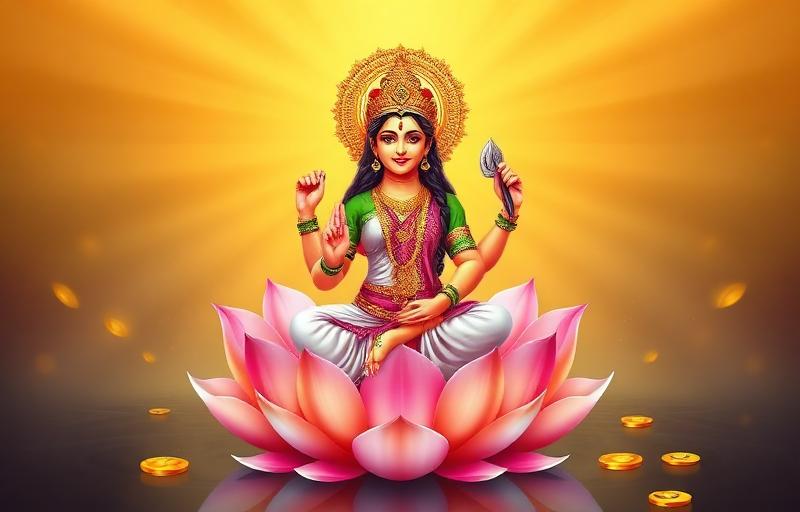
Together, Lakshmi and Ganesha represent a complete blessing: wealth (Lakshmi) guided by wisdom (Ganesha). Wealth without wisdom, tradition suggests, can be lost quickly or misused, while wisdom alone without means to act can remain unfulfilled.
This is why devotees pray not just for riches on Diwali, but for the good sense to use them well, in caring for family, supporting others and living with dignity.
How They Are Worshipped Together
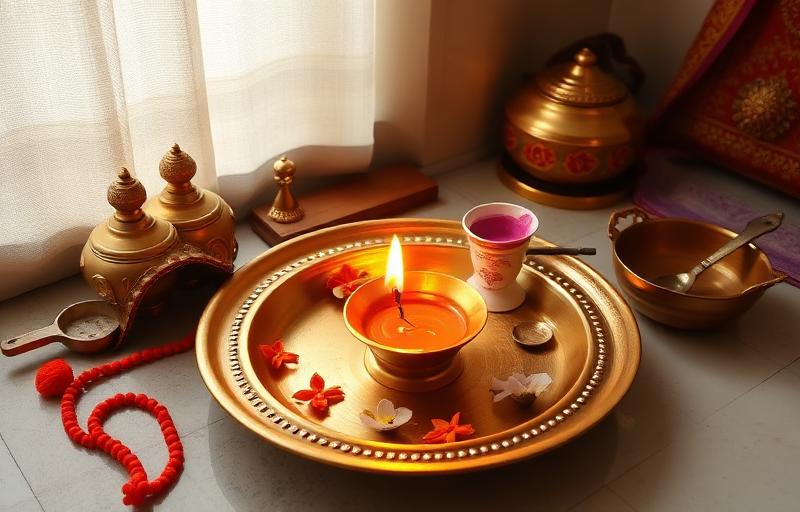
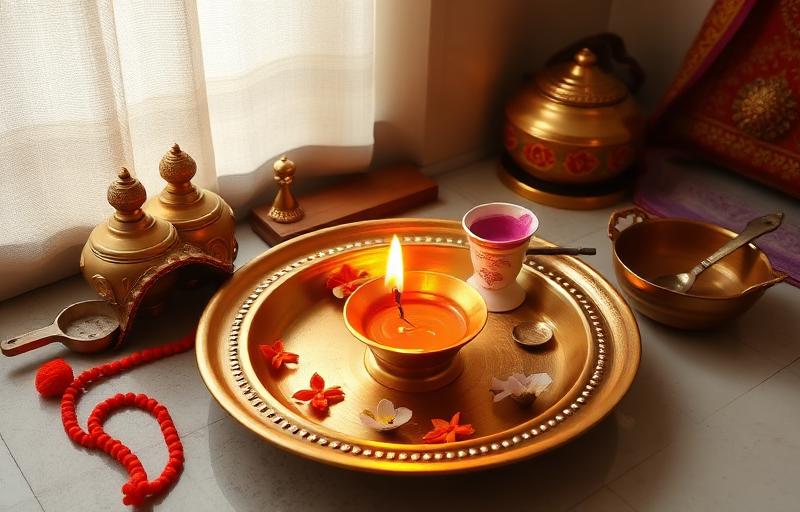
- On Diwali evening, homes and shops are cleaned and decorated with rangoli and lamps to welcome both deities.
- Idols or images of Lakshmi and Ganesha are placed together, often with Ganesha slightly to Lakshmi's right or in his customary first position.
- Puja begins by first invoking Ganesha with a short prayer, followed by the main Lakshmi puja with kumkum, flowers, sweets and lit diyas.
- Aarti is performed for both together at the end, with the whole household participating.
The order, honouring Ganesha first, is meant to ensure the worship itself proceeds without obstacles.
Where Saraswati Often Joins Them
In many households, especially those observing Sharada Puja or business account worship, an image of Saraswati is also placed alongside Lakshmi and Ganesha, forming a trio of wealth, wisdom and knowledge.
This addition reflects the same underlying idea: material prosperity is most meaningful when it walks alongside learning, discernment and the removal of obstacles.
A Simple Takeaway
The joint worship of Lakshmi and Ganesha on Diwali is a gentle yearly reminder that prosperity and wisdom belong together. As per tradition, welcoming both with sincerity is an act of faith and love, not a transaction.
Frequently Asked Questions
Why is Ganesha worshipped before Lakshmi on Diwali?+
Ganesha is worshipped first in most Hindu rituals as Vighnaharta, the remover of obstacles, ensuring the rest of the puja, including Lakshmi puja, proceeds smoothly.
Is Saraswati also worshipped on Diwali?+
Many households include Saraswati alongside Lakshmi and Ganesha, especially during business account worship, forming a trio representing wealth, wisdom and knowledge.
What does the Lakshmi-Ganesha pairing teach devotees?+
It teaches that wealth is best received alongside wisdom, so that prosperity is used with good sense, generosity and care rather than pride or waste.
About the author
Pandit Mahesh Trivedi · Festival Traditions & Panchang
Pandit Mahesh leads the festival-date and Panchang content on Vandnaa. He cross-references multiple regional panchangs (Drik, Vaishnava, Bengali, Marathi) for every festival date published on the site.
Meet the Vandnaa editorial team →