Who Is Kuber?
Kuber is described in Hindu tradition as the guardian of celestial wealth and the treasurer of the gods, appointed to this role by Lord Shiva. He is often depicted as a stout, well-adorned figure, holding a mace and a money pot, seated on or beside piles of treasure.
Unlike Lakshmi, who represents the flow and grace of prosperity, Kuber is associated with its safekeeping, the discipline of guarding and managing what has been earned.
What Is the Kuber Lakshmi Yantra?
A yantra is a geometric diagram used in Hindu worship as a focal point for invoking a deity's energy. The Kuber Lakshmi Yantra combines symbols associated with both Kuber and Lakshmi on a single sacred diagram, usually inscribed on metal or paper.
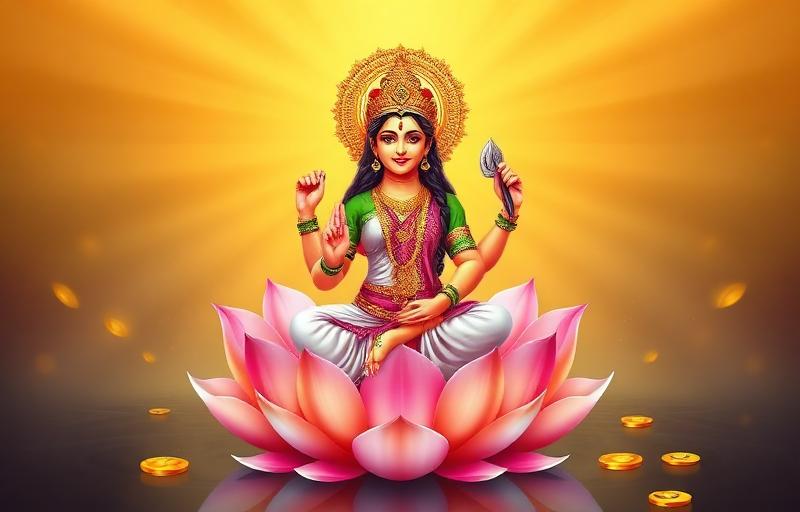
It is believed to bring together Lakshmi's grace, which brings wealth in, and Kuber's protection, which helps preserve it, making the two forces work in harmony rather than separately.
Why Kuber and Lakshmi Are Combined
Devotees reason that inviting wealth without the discipline to manage it can lead to waste, while guarding wealth without grace can lead to hoarding and anxiety. Worshipping Kuber and Lakshmi together is meant to balance the two.
This combined worship is especially popular on Dhanteras and Diwali, when families seek both an increase in prosperity and the wisdom to hold on to it responsibly.
How the Yantra Is Worshipped

- The yantra is first cleaned and placed on a small platform or plate, often facing north, the direction traditionally associated with Kuber.
- A lamp is lit before it, and offerings of flowers, kumkum and sweets are made with simple mantras or the names of Lakshmi and Kuber.
- Many devotees perform this worship especially on Fridays or during Dhanteras, alongside their regular puja.
- The yantra is not treated as a magical object but as a support for focused, devoted prayer.
Sincerity and regularity in worship matter far more than the yantra itself.
Where It Is Kept
The Kuber Lakshmi Yantra is commonly kept in the home puja room, near the cash box, or at a place of business, always in a clean, respected spot. It is generally avoided in bedrooms or bathrooms out of respect.
Tradition holds that it should be handled with clean hands and kept free of dust, echoing the same principle found across Lakshmi worship, that cleanliness itself is a form of devotion.
A Simple Takeaway
The Kuber Lakshmi Yantra is a reminder that earning and preserving wealth are both part of dharma. Worshipping it with sincerity, as per tradition, is an act of faith and love, not a transaction.
Frequently Asked Questions
Which direction should the Kuber Lakshmi Yantra face?+
It is traditionally placed facing or in the north direction, since Kuber is associated with the north as the guardian of that quarter.
Can the yantra be kept at a shop or office?+
Yes, many business owners keep it at their place of work, in a clean and respected spot, along with regular worship.
Is the yantra worshipped only during Diwali?+
It is especially popular during Dhanteras and Diwali, but many devotees worship it throughout the year, particularly on Fridays.
About the author
Pandit Mahesh Trivedi · Festival Traditions & Panchang
Pandit Mahesh leads the festival-date and Panchang content on Vandnaa. He cross-references multiple regional panchangs (Drik, Vaishnava, Bengali, Marathi) for every festival date published on the site.
Meet the Vandnaa editorial team →