What Annaprashan Marks in a Child's Life
Annaprashan, sometimes written Annaprashana, combines anna (food or grain) and prashan (eating or partaking), and names the samskara that marks a baby's very first intentional taste of solid food, most often a small spoon of kheer, rice or rice porridge, offered in a small ceremony with family gathered. Counted among the sixteen traditional samskaras, it sits at a natural developmental milestone, the shift away from an exclusively milk-based diet, and Hindu tradition chose to mark that shift with intention rather than let it pass unnoticed.
The ceremony carries both a practical and a symbolic layer. Practically, it acknowledges a real transition in a baby's growth and nutrition. Symbolically, the first bite is treated as more than nourishment; it is framed as the beginning of the child's relationship with anna itself, which in Hindu thought is often described as Brahman, treated with a level of respect that shows up elsewhere in the tradition too, such as the discouragement of wasting food or stepping over a food plate.
A typical Annaprashan gathers close family for a short puja, the ceremonial first feeding (usually done by the father, maternal uncle, or grandparents depending on family custom), and, in many households, a light-hearted ritual where a set of symbolic objects is placed in front of the baby to see which one they reach for first, discussed in more detail further in this guide.
Like Namkaran before it, Annaprashan tends to be a warm, celebratory occasion rather than a solemn one, often doubling as a small family gathering and a reason to formally introduce the baby to relatives and close friends who have not yet met them.
Timing: Why the Sixth Month Is the Traditional Marker
Most traditions place Annaprashan around the sixth month after birth, a timing that happens to broadly align with general paediatric guidance that most infants are developmentally ready to begin complementary foods alongside milk feeding around this point. This overlap is often noted approvingly by modern families balancing tradition with paediatrician advice, though the samskara's origins predate that modern guidance by many centuries and rest on its own separate reasoning.
Within this broad sixth-month window, some family traditions add further refinement, and it is worth naming this honestly: certain regional customs specify the sixth month for boys and the fifth or seventh month for girls, a distinction rooted in older numerological conventions around even and odd months rather than any medical basis, and one that many contemporary families no longer follow, choosing instead a single consistent timing regardless of the baby's gender.
- Sixth month after birth is the most commonly cited timing across traditions
- Some regional customs historically varied the exact month by gender; many modern families now apply the same timing to all children
- An auspicious muhurat within the chosen month is typically selected via a family priest or panchang
- Premature babies or those with feeding difficulties are commonly given a later date, following paediatric advice over the ceremonial calendar
As with Namkaran, the underlying principle for most modern families is flexibility grounded in the baby's actual readiness and health, with the ceremony scheduled once a paediatrician has confirmed the baby can safely begin solids, rather than treating the sixth-month mark as a fixed deadline that overrides medical guidance.
The Item-Choosing Ritual: What Each Object Represents
One of the most memorable parts of Annaprashan in many households is a playful divination ritual where a set of symbolic objects is arranged on a plate or tray in front of the baby, who is then encouraged to reach for one. Whichever item the baby touches or picks up first is taken, in a light-hearted rather than deterministic spirit, as a small hint toward their future inclination or path.
Commonly included objects, though the exact set varies by family and region, include:
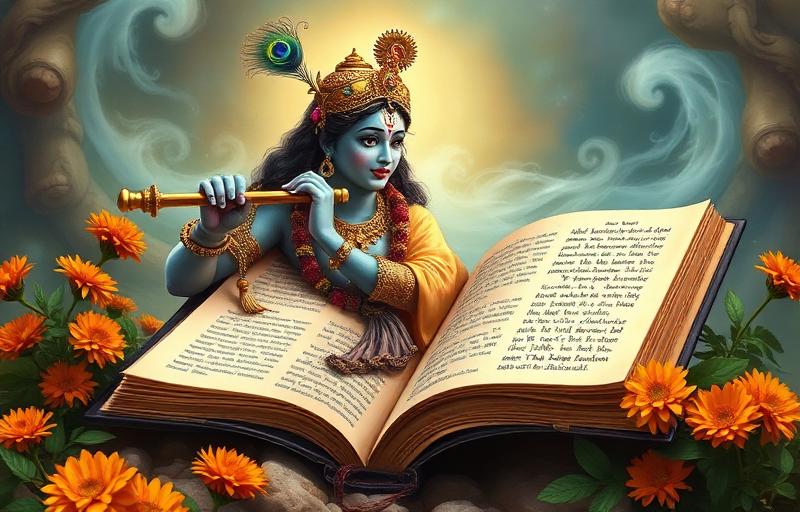
- A book: suggesting an inclination toward learning, scholarship or education
- A pen: pointing toward writing, communication or intellectual pursuits
- Money or a coin: hinting at future wealth, business acumen or financial success
- Food or rice: suggesting a life without want, sometimes read as an interest in the culinary world
- A small clod of earth or clay: traditionally associated with land, property and agriculture
- Gold or a piece of jewellery: associated with prosperity and material comfort
- A stethoscope or a small tool (in many modern versions): representing medicine or a specific modern profession the family wants to playfully include
Families today often mix traditional items with a few modern additions, a toy car, a small musical instrument, or a cricket ball, reflecting professions and interests that did not exist in the ceremony's older form. It is worth being clear that this ritual is treated by most families as affectionate fun rather than a serious prediction; a baby reaching for money one year rarely determines their actual career, and the ritual's real value lies in the shared laughter and the photograph, not in genuine forecasting.
🪔 Vandnaa's app includes a full, printable Annaprashan item list with the meaning behind each object, handy for families assembling the tray at home.
The Traditional Vidhi, Step by Step
A full traditional Annaprashan ceremony generally follows this broad sequence, though specific elements vary by region and family custom:
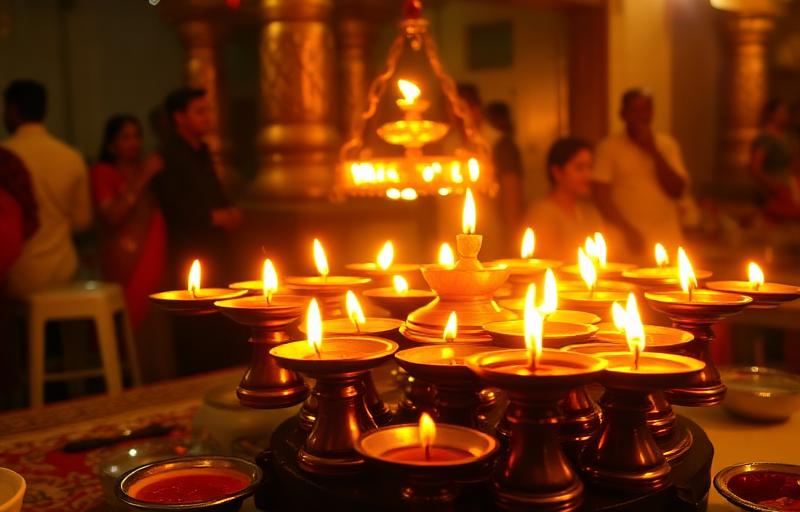
- Purification and sankalp: the puja space is prepared, and the parents take a sankalp, stating the intention to perform the ceremony for the child's health and future wellbeing
- Ganesh and family deity puja: an invocation for an auspicious, obstacle-free ceremony, followed by prayers to the family's chosen deity
- Preparation of the kheer or rice: a small quantity of kheer or plain cooked rice, often prepared specifically as prasad, is kept ready, sometimes blessed at a temple beforehand
- The first feeding: the person designated by family tradition, commonly the father, maternal uncle (mama) or a grandparent, feeds the baby a small spoon of the food while a prayer or mantra is recited, wishing the child a healthy, prosperous, well-nourished life
- The item-choosing ritual: the tray of symbolic objects is placed before the baby, as described above, typically after the first feeding while attention is already on the baby
- Blessings from elders: family members bless the baby, often with a tilak and small gifts, and the ceremony usually closes with an aarti
The entire core ritual is relatively brief, typically under an hour, and is almost always followed by a shared family meal, making it one of the more socially relaxed samskaras to organise even for families who prefer to keep things simple. Some families choose to combine the occasion with another small family gathering already planned around the same time, a visiting relative's stay or a grandparent's birthday, so the ceremony feels like a natural extension of everyday family life rather than a separate obligation to schedule.
A Simplified Version for Busy or Nuclear Families
Families without easy access to a priest, an extended gathering, or the time for a full ceremony can still mark Annaprashan meaningfully with a scaled-down version that keeps the essential spirit intact.
A simplified home Annaprashan typically includes a short prayer or aarti at the home altar, a small offering of kheer or rice to Ganesh or the family deity before feeding the baby, the first feeding itself performed by a parent or close family member with a short blessing spoken aloud, and, if desired, a compact version of the item-choosing tray with just three or four objects instead of the full traditional set. Even a video call with grandparents or distant family, so they can witness the first feeding in real time, is a common and appreciated modern adaptation.
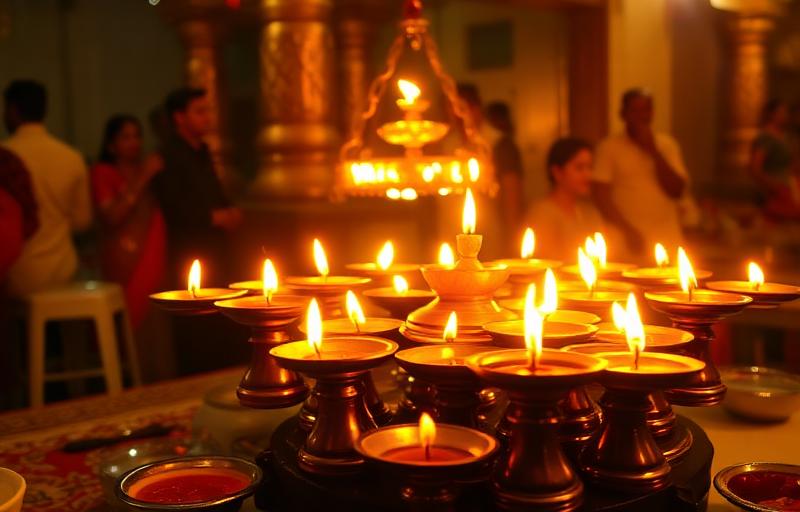
- A single diya, a small prasad offering and a short prayer are enough to mark the occasion meaningfully
- The first-feeding role can be assigned to whichever close family member is present and significant to the family, rather than strictly following the traditional maternal-uncle convention
- A shortened item tray (a book, a coin and one modern object) preserves the ritual's playful spirit without extensive preparation
- A simple sweet shared with neighbours or close friends afterward is a low-effort way to mark the day socially
What carries the ceremony's meaning, in either its full or simplified form, is the same underlying gesture: a family consciously marking their child's first taste of solid food with gratitude and a wish for a healthy, well-nourished life ahead, rather than letting the moment pass as just another feeding.
Safety and Practical Tips Worth Knowing
A few practical and safety considerations help Annaprashan go smoothly, since it involves a very young baby around unfamiliar food and small objects.
- Consult a paediatrician on food readiness first: confirm the baby is developmentally ready for solids and free of any specific feeding concerns before the ceremony date, regardless of the traditional sixth-month marker
- Keep the first food simple and mild: a thin, well-cooked kheer or plain rice porridge is traditional and gentle on a baby's digestive system; avoid adding honey to any food for babies under one year, as it carries a botulism risk for infants, and avoid added salt or sugar in the first tastes
- Watch for allergies: introduce the ceremonial food in a small quantity and observe the baby afterward, as you would with any new food, regardless of ritual significance
- Supervise the item-choosing ritual closely: small objects like coins present a genuine choking hazard for a baby this age; keep every item within arm's reach of a supervising adult at all times, and consider using slightly larger, baby-safe versions of each symbolic object where possible
- Do not force the first bite: some babies are hesitant with a new texture on the first try; a gentle, patient approach matters more than getting a clean photograph of the moment
- Time the ceremony around the baby's routine: schedule the puja and feeding when the baby is typically alert and not overdue for a nap or a regular feed, rather than strictly around a muhurat clock time if the two conflict
Handled with these precautions in mind, Annaprashan remains what it has always been meant to be: a warm, low-stress family milestone marking a healthy step in a child's growth, not an occasion that should ever come at the cost of the baby's comfort or safety.
Common Questions From Devotees
At what age is Annaprashan traditionally performed?+
Annaprashan is traditionally performed around the sixth month after birth, which broadly aligns with general paediatric guidance on introducing solid foods. Always confirm actual feeding readiness with a paediatrician before the ceremony.
What does it mean if the baby picks a particular item during the ceremony?+
The item-choosing ritual is treated as a light-hearted, affectionate tradition rather than a serious prediction. Most families enjoy it as a fun photo moment and do not take the chosen item as a determined future career or path.
Who traditionally feeds the baby the first bite at Annaprashan?+
This varies by family and region. Common choices include the father, the maternal uncle (mama), or a grandparent. Many modern families simply choose whichever close family member is present and meaningful to include.
Can Annaprashan be performed without a priest?+
Yes. A simplified home version with a short prayer, an offering to Ganesh, and the first feeding performed by a parent or family member is a widely accepted and meaningful way to mark the occasion without a priest.
Is it safe to give a six-month-old baby kheer with sugar and nuts?+
For the ceremonial first taste, it is safer to use a very small, mild quantity without added sugar, salt, honey or nuts, which can pose choking or allergy risks at this age. Consult your paediatrician on the appropriate consistency and ingredients before the ceremony.
About the author
Pandit Ravindra Sharma · Vedic Rituals & Bhakti, 22+ years
Pandit Ravindra is the Vandnaa editorial team's resident specialist on aarti, chalisa, and daily devotion. He has performed home and temple pujas across Varanasi and Delhi for over two decades and contributes the bhakti-focused articles on this site.
Meet the Vandnaa editorial team →