The Sanskaras of Conception and Pregnancy
The first three of the sixteen samskaras belong to the period before a child is even born. Garbhadhan, meaning "the giving of the womb", is the sanskar observed at conception, inviting a blessed and intentional beginning of a new life. Pumsavana, performed a few months into pregnancy, is a prayer for the health and safe development of the unborn child. Simantonnayana, held later in pregnancy, is a rite for the mother's peace of mind and continued wellbeing.
Together these three sanskaras reflect a devotional worldview in which even the earliest, most private moments of family life are held within prayer and intention rather than left to chance.
Roots in the Grihya Sutras
The Grihya Sutras describe these sanskaras in detail, laying out prayers and simple rites meant to be performed within the home, led by the family rather than requiring elaborate temple ceremony. Pumsavana in particular is described as a rite of hope and prayer for the unborn child's health, performed with simplicity and devotion by the expectant parents.
Ancient texts frame these rites not as attempts to control outcomes, but as expressions of a family's intention to welcome new life with gratitude and care from the very earliest moment, entrusting the rest to divine grace.
Devotional Significance
As per tradition, these sanskaras hold that the wellbeing of a child begins even before birth, shaped in part by the peace, prayer and positive intention of the parents during pregnancy. Simantonnayana, often performed with a gentle parting of the mother's hair by her husband, is believed to calm anxiety and surround the mother with the care and blessings of family during a vulnerable time.
Devotees see these rites as an early, tender form of parenting itself, a family choosing to greet a new life with reverence long before the first cry is heard.
How These Are Observed Today
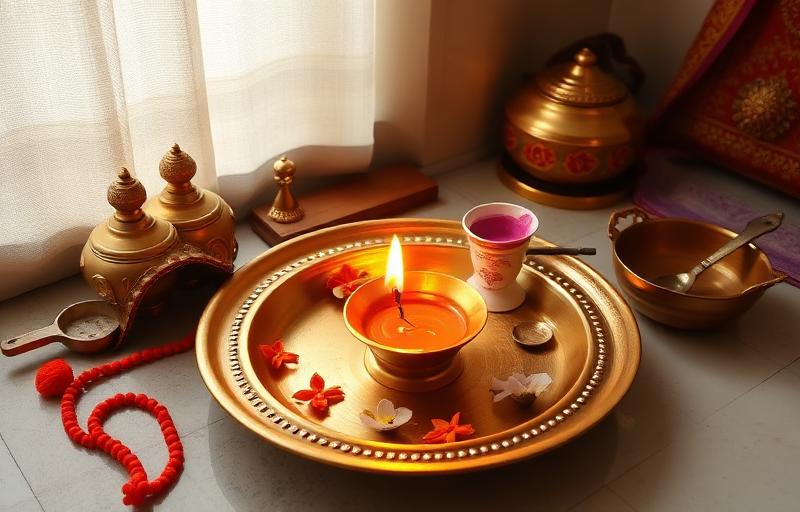
Few families today perform Garbhadhan, Pumsavana and Simantonnayana as separate, elaborate ceremonies. More commonly, families combine their spirit into a single blessing gathering, sometimes called godh bharai or a baby shower-style event, where elders pray for the mother and child, offer gifts, and share a meal.
- A simple puja may be performed at home with the couple's family deity
- Elders bless the expectant mother with prayers for an easy delivery
- The mother may be gifted new clothes, bangles and sweets
- Regional customs such as singing traditional songs are common in many communities
Whatever the form, families are encouraged to keep the core spirit alive, welcoming new life with prayer, gratitude and community support.
A Devotional Takeaway
Garbhadhan, Pumsavana and Simantonnayana remind devotees that a devotional life can begin even before birth, held in the intentions and prayers of parents and family. A simple prayer for the unborn child's health and the mother's peace, offered with sincerity, carries the same weight as any elaborate ritual.
These sanskaras, like all others, are ultimately an act of faith and love, not a transaction, a family's earliest way of saying that a new life is already cherished and held in divine care.
Frequently Asked Questions
What is Garbhadhan?+
Garbhadhan is the samskara observed at conception, inviting a blessed and intentional beginning for a new life within a devotional frame.
What is the purpose of Pumsavana?+
Pumsavana is a prayer performed during pregnancy for the health and safe development of the unborn child, reflecting a family's hope and devotion.
Are these pregnancy sanskaras still performed today?+
Many families now combine their spirit into a single blessing gathering rather than performing each as a separate elaborate ceremony, keeping the core devotional intention alive.
About the author
Anjali Mehta · Editor, M.A. Religious Studies
Anjali is the managing editor for Vandnaa and oversees the festival and vrat coverage. She holds an M.A. in Religious Studies and reviews every published article for accuracy, accessibility, and tradition-fidelity.
Meet the Vandnaa editorial team →