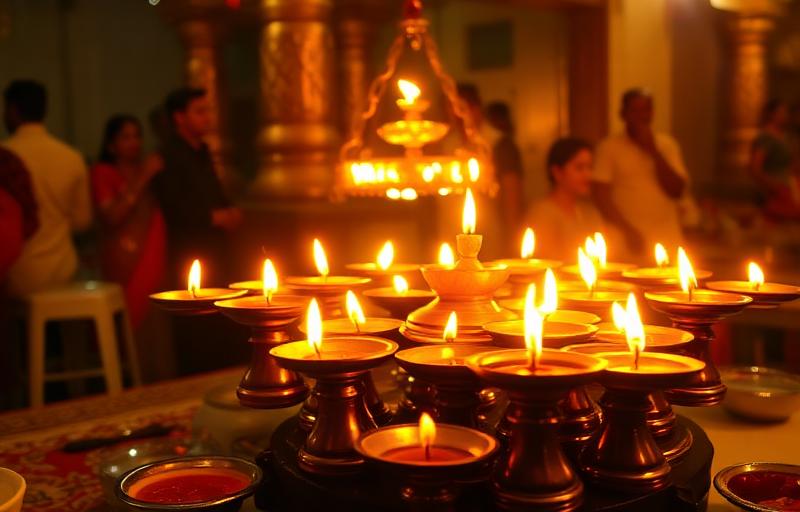
What Is Namkaran
Namkaran is the fifth of the sixteen samskaras, the sacred ceremony in which a newborn child is formally given a name. In Hindu tradition, a name is never treated as a mere label. It is believed to shape the child's identity, carry the family's hopes, and often honour a deity, a virtue or an ancestor. The ceremony is typically held on or around the twelfth day after birth, though families across regions follow their own customs on timing.
The word Namkaran itself combines "nam" (name) and "karan" (the act of doing or creating), literally meaning "the act of giving a name". It is one of the earliest and most widely celebrated samskaras, marking the newborn's entry into family and community life with joy, prayer and blessing.
Origin in Tradition
The Grihya Sutras, ancient texts that lay out household rituals, describe Namkaran in detail, including the invocation of Agni and family deities as witnesses to the naming. Sages advised that a name should be chosen thoughtfully, often reflecting a guna (virtue), a nakshatra-based sound, or the name of a beloved deity, so that the child grows hearing something meaningful spoken with love each day.
Many Puranic stories describe great figures receiving names tied to the circumstances of their birth or a quality that would define their life, such as Krishna's many names each capturing a facet of his leela. This tradition of naming with intention continues to guide Hindu families today.
Significance and What Devotees Believe
As per tradition, a name spoken with love and repeated daily is believed to gently shape a child's nature and destiny over a lifetime. This is why many families choose names of deities, like Rama, Lakshmi, Krishna or Durga, believing that a name close to the divine keeps the child under that deity's grace and protection.
Devotees also see Namkaran as the moment the child is formally welcomed into the family and dharma, no longer just an infant but a named member of the lineage with a place in the family's story. It is often the first big celebration in a child's life, bringing together grandparents, relatives and community.
How the Ceremony Is Performed
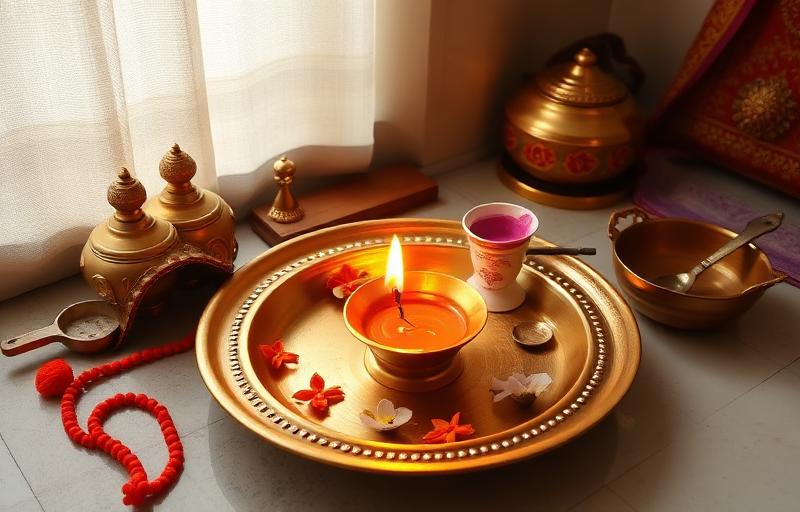
A typical Namkaran begins with a small puja invoking Ganesha for an auspicious beginning, followed by prayers to the family's ishta devata (chosen deity) and ancestors. The father or an elder often whispers the chosen name into the baby's right ear, sometimes accompanied by a priest chanting Vedic mantras for long life and wellbeing.
- A small havan (sacred fire) may be lit, with offerings of ghee and grains
- The baby may be dressed in new clothes for the occasion
- Elders bless the child by touching the forehead and offering gifts
- A community feast or sweets are shared to mark the joy
Families without access to elaborate rituals often perform a simple, heartfelt version at home, sometimes just a short prayer and the whispering of the name, which tradition holds is equally meaningful.
A Devotional Takeaway
Namkaran teaches that even the simple act of naming a child can be woven into devotion. Choosing a name thoughtfully, and speaking it with love each day, becomes a small daily prayer for the child's wellbeing. Om Gan Ganapataye Namah is often chanted at the start, inviting Ganesha's blessing for a smooth and auspicious life ahead for the newborn.
Ultimately, this sanskar is an act of faith and love, not a transaction, a family's way of welcoming a new soul with hope, gratitude and the blessing of the divine.
Common Questions From Devotees
When is Namkaran typically performed?+
It is commonly held around the twelfth day after birth, though families follow their own regional and personal customs on the exact timing.
Why do many Hindu names come from deities?+
As per tradition, a name close to the divine is believed to keep the child under that deity's grace and blessing throughout life.
Can Namkaran be performed simply, without elaborate rituals?+
Yes, tradition holds that a simple, heartfelt naming with a short prayer is equally meaningful as an elaborate ceremony, since sincerity matters most.
About the author
Anjali Mehta · Editor, M.A. Religious Studies
Anjali is the managing editor for Vandnaa and oversees the festival and vrat coverage. She holds an M.A. in Religious Studies and reviews every published article for accuracy, accessibility, and tradition-fidelity.
Meet the Vandnaa editorial team →