What Is Annaprashan
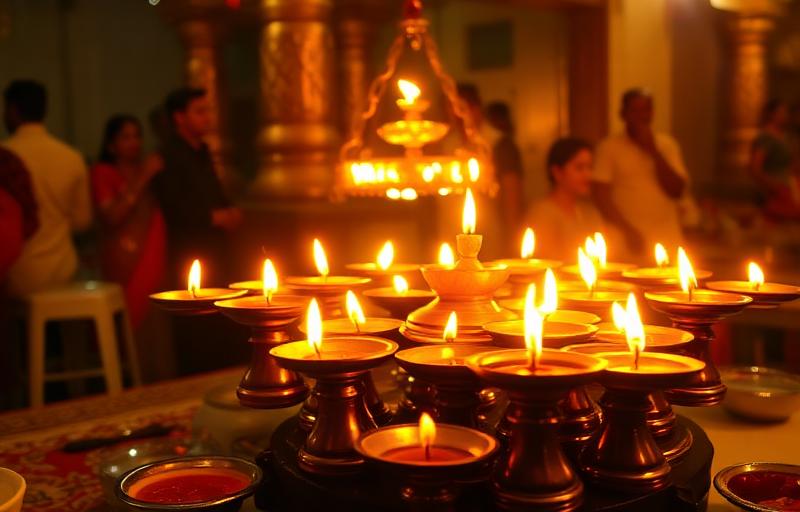
Annaprashan is the samskara that marks a baby's first taste of solid food, usually a small amount of kheer or cooked rice. The word combines "anna" (food/grain) and "prashan" (to eat or taste), literally "the first eating of food". It is traditionally observed around the sixth month of a baby's life, when a child moves from mother's milk to grain, a milestone tradition treats with deep gratitude.
Food, in Hindu thought, is never merely biological fuel. Anna is regarded as a form of the divine, and a baby's first taste of it is marked with prayer rather than treated as an ordinary event.
Origin and Scriptural Roots
The Taittiriya Upanishad famously declares "Annam Brahma", food is Brahman itself, a teaching that underlies the reverence given to Annaprashan. The Grihya Sutras describe the ceremony as one where the family invokes blessings so the child grows strong, healthy and free from hunger throughout life.
In many households, the ceremony is also linked to Goddess Annapurna, the deity of nourishment and abundance, whose blessing is sought so the child never knows want of food.
Vidhi and Regional Customs
The ceremony often begins with a small puja to Ganesha and the family deity, followed by an elder, often a grandparent or maternal uncle, feeding the baby the first spoonful. In many parts of India, a playful custom follows where the baby is presented with several objects, a book, coins, a pen, soil, on a tray, and whichever object the baby touches first is taken as a lighthearted, affectionate sign of future inclination, understood as family fun rather than any prediction.
- A priest or elder may chant blessings for health and long life
- Kheer, rice or other regionally significant first foods are offered
- Relatives gather to bless the child and share a meal
- In some Bengali households the ceremony is called Mukhe Bhaat, meaning "rice in the mouth"
These small variations reflect India's rich regional diversity while sharing the same devotional heart.
Significance for Devotees
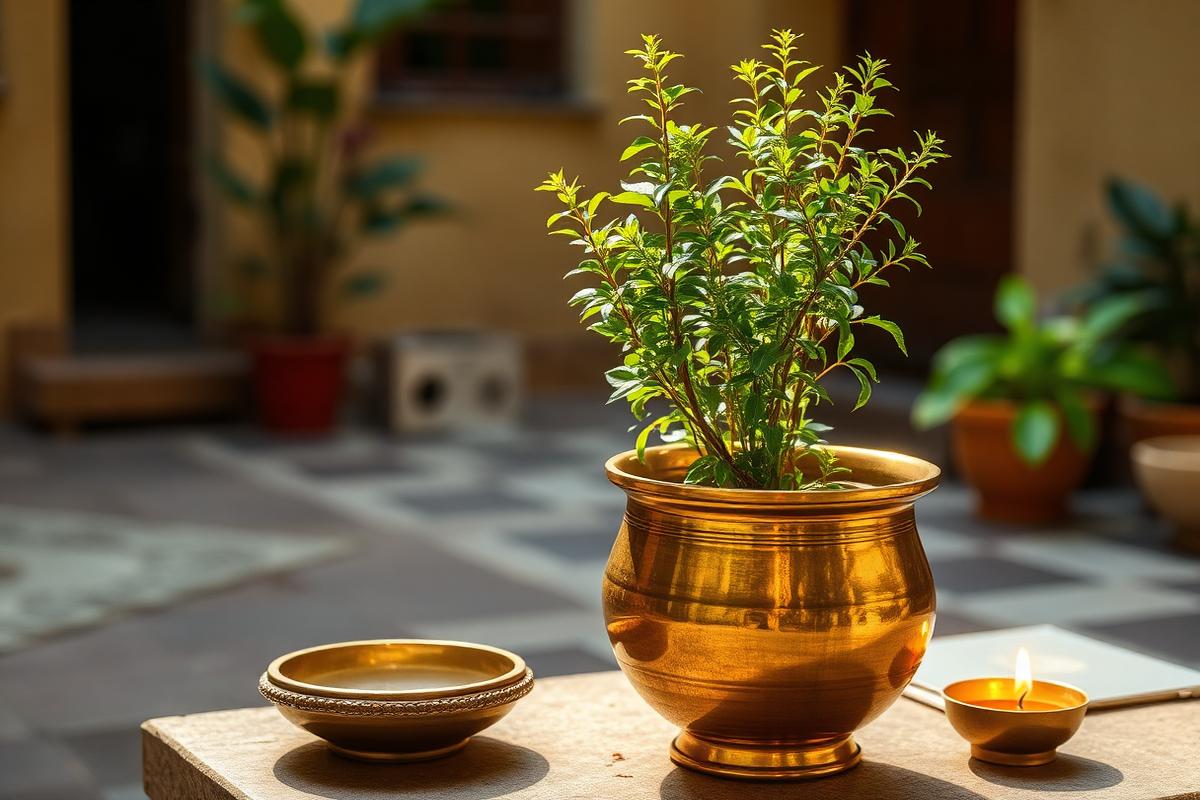
Devotees see Annaprashan as a moment to express gratitude for the gift of food and life, and to pray for a child who will never go hungry and will grow with strength and health. It is a reminder that receiving nourishment is itself a form of grace, worth pausing to celebrate rather than taking for granted.
Families believe that beginning a child's relationship with food through prayer instils, over time, a habit of gratitude before every meal, a small but lasting spiritual lesson.
A Devotional Takeaway
Annaprashan teaches that even a baby's first spoonful of rice can be an offering of gratitude. Before the ceremony, families often chant Annapurne Sada Purne (a simple prayer to the goddess of nourishment) asking that the child's plate never remain empty in life.
This sanskar, like all others, is ultimately an act of faith and love, not a transaction, a family's gentle way of welcoming a child fully into the shared table of life.
Frequently Asked Questions
When is Annaprashan usually performed?+
It is traditionally observed around the sixth month of a baby's life, when the child begins moving from milk to solid food, though exact timing varies by family.
What is the object-choosing custom during Annaprashan?+
In many regions, a baby is presented with objects like a book, coins or a pen, and whichever it touches first is taken as a lighthearted family moment of affection, not a serious prediction.
Is Annaprashan connected to any deity?+
Many households connect it to Goddess Annapurna, the deity of nourishment, whose blessing is sought so the child grows up never wanting for food.
About the author
Anjali Mehta · Editor, M.A. Religious Studies
Anjali is the managing editor for Vandnaa and oversees the festival and vrat coverage. She holds an M.A. in Religious Studies and reviews every published article for accuracy, accessibility, and tradition-fidelity.
Meet the Vandnaa editorial team →