Who Is Annapurna Devi
Annapurna is worshipped across Hindu tradition as the goddess of food and nourishment, a form of Parvati, the consort of Shiva. Her name itself, formed from anna meaning food and purna meaning full or complete, describes her as the one who ensures no plate is ever left empty. She is typically depicted with a ladle in one hand and a bowl of rice in the other, ready to feed all who come to her in need.
In Bengal, where Shakta devotion to the Divine Mother runs especially deep, Annapurna holds a cherished place among the many forms of the Goddess honored within the household.
Annapurna in Bengal's Household Tradition
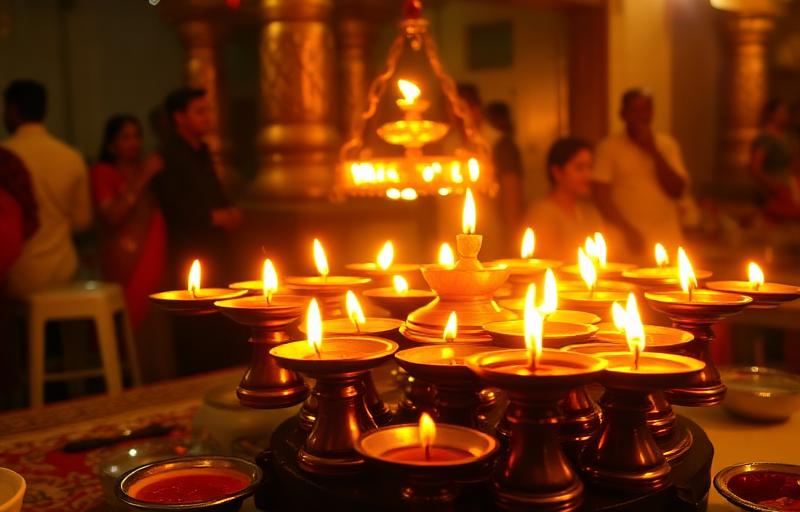
While temples dedicated exclusively to Annapurna are less common than those for other forms of the Goddess, many Bengali households, particularly older families with long-standing devotional customs, maintain a tradition of Annapurna Puja passed down across generations. In such homes, a small image of the goddess is often kept close to the kitchen or the place where rice and grain are stored, a quiet daily reminder of her presence in the most essential part of the home.
Some families observe a dedicated day of worship each year, offering freshly cooked food to the goddess before it is served to the household, a practice rooted in gratitude rather than obligation.
The Significance of Worshipping Nourishment Itself
Annapurna's worship carries a significance distinct from many other forms of the Goddess, honoring not power or victory but the simple, essential gift of food. Devotees regard this as one of the most humble and universal forms of devotion, a reminder that sustenance itself is sacred and should never be taken for granted.
Tradition also holds that Annapurna once fed Shiva himself when he arrived at her door in Kashi as a humble mendicant, a story devotees cherish as a reminder that even the greatest among the divine depend on the nourishment she provides.
How Devotees Honor Annapurna
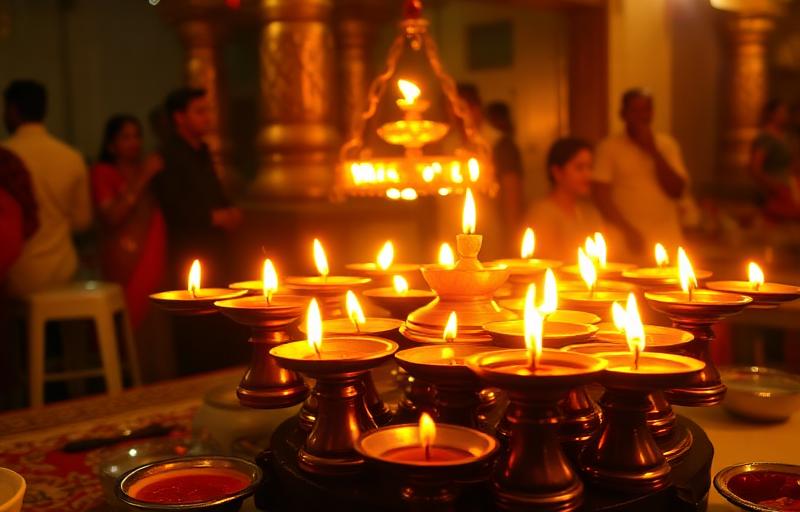
- A small idol or image of Annapurna is kept in or near the kitchen in many devout households
- Food is often offered to her image first, before it is served to the family, as a mark of gratitude
- Annadaan, the offering of food to others, particularly those in need, is considered one of the most meaningful ways to honor her
- Devotees treat avoiding food waste as an everyday expression of respect for the goddess of nourishment
A Devotee's Takeaway
Annapurna Puja is a gentle reminder that devotion need not always be grand or elaborate, sometimes it is found in the quiet gratitude offered before a meal. For devotees, honoring Annapurna is a way of recognizing that the food on every table is itself a form of grace, deserving of reverence rather than being taken for granted.
Quick Answers
Who is Annapurna Devi?+
Annapurna is worshipped as the goddess of food and nourishment, a form of Parvati, depicted with a ladle and a bowl of rice, believed to ensure that no devoted household goes hungry.
How is Annapurna traditionally worshipped in Bengal?+
Many Bengali households keep a small image of Annapurna near the kitchen, offering freshly cooked food to her first as a mark of gratitude, alongside the practice of annadaan, feeding those in need.
What is the story connecting Annapurna and Shiva?+
Tradition holds that Annapurna once fed Shiva when he arrived at her door in Kashi as a humble mendicant, a story devotees cherish as a reminder of the sacredness of nourishment.
About the author
Pandit Mahesh Trivedi · Festival Traditions & Panchang
Pandit Mahesh leads the festival-date and Panchang content on Vandnaa. He cross-references multiple regional panchangs (Drik, Vaishnava, Bengali, Marathi) for every festival date published on the site.
Meet the Vandnaa editorial team →