Bengal, a Heartland of Goddess Worship
Few regions in India express Hindu devotion as consistently through the worship of the Goddess as Bengal. Known as Shakta tradition, this devotional current places Shakti, the divine feminine energy, at the very center of worship, whether through grand festivals, temple rituals or quiet household shrines. This overview brings together the many forms through which this devotion is expressed across Bengal.
Many Forms, One Devotion
Bengal's Shakta tradition finds expression through a striking range of forms of the Goddess. Durga is worshipped each autumn as the Divine Mother returning to her devotees, Kali is honored with deep intimacy as Ma Kali across temples and homes, Manasa protects rural households from the fear of snakebite, and Annapurna is honored as the goddess of nourishment within the kitchen itself. Jagaddhatri and Chandi are worshipped in their own right in various parts of the region as well.
Rather than viewing these as separate deities competing for devotion, Bengal's tradition tends to understand them as different faces of a single divine feminine principle, each addressing a different aspect of life and protection.
Historical and Devotional Roots
Bengal's association with Shakta worship and Tantra runs deep, shaped over centuries by devotional poets, temple traditions and saints. Figures like Ramprasad Sen, whose songs to Kali remain treasured, and Ramakrishna Paramahamsa, whose life of devotion at Dakshineswar continues to inspire, reflect how this tradition has been carried forward not only through ritual but through deeply personal, emotional devotion to the Mother.
A Tradition Lived Every Day

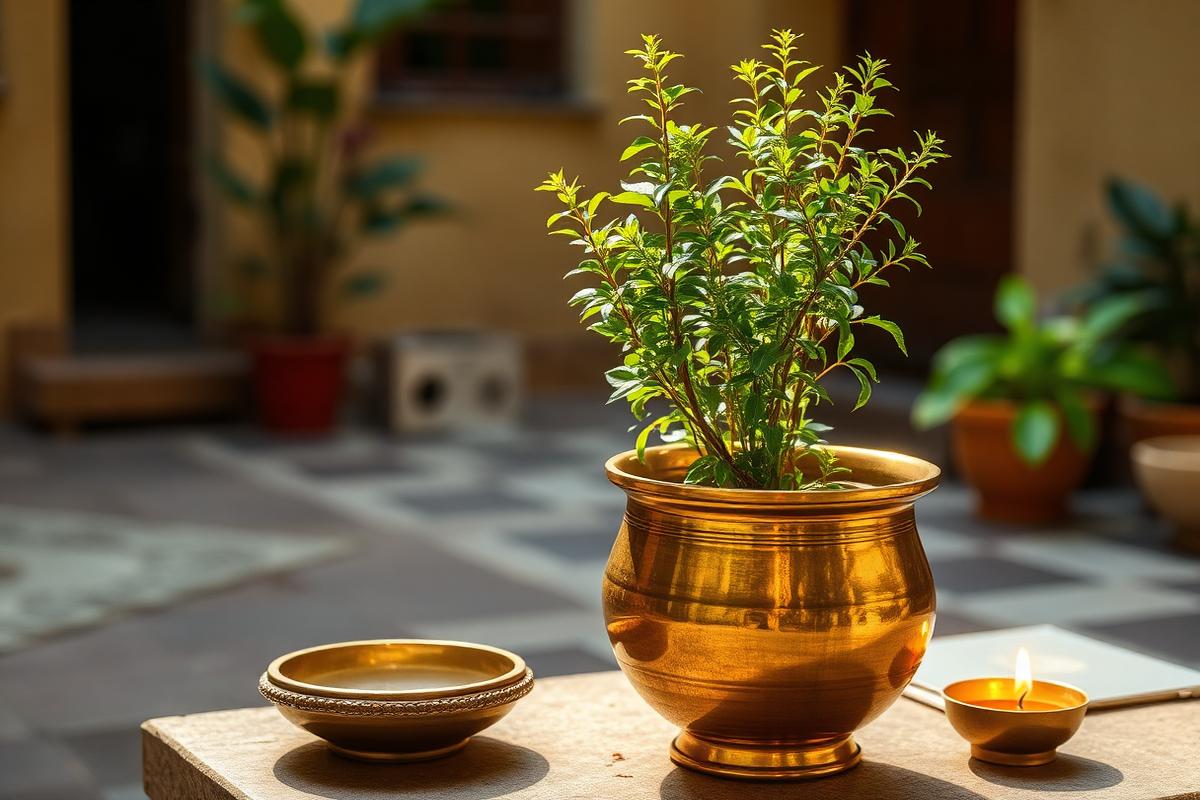
What distinguishes Bengal's Shakta tradition is how naturally it moves between grand public festival and quiet daily practice. The same devotion that fills the streets during Durga Puja also lives quietly in a small ghot kept for Manasa, or an image of Annapurna beside the kitchen stove, showing that Shakta worship in Bengal is as much about everyday faith as it is about festival celebration.
A Devotee's Takeaway
Bengal's Shakta tradition offers devotees a vision of the Divine Mother present in every part of life, from the grandest pandal to the smallest household shrine. For devotees, understanding this tradition as a whole reveals how deeply and variously reverence for the Goddess has been woven into Bengal's devotional identity.
Quick Answers
What does Shakta mean?+
Shakta refers to the devotional tradition centered on Shakti, the divine feminine energy, worshipped in many forms including Durga, Kali, Manasa and Annapurna, with particular depth and variety in Bengal.
Are Durga, Kali and Manasa considered separate goddesses in Bengal's tradition?+
Bengal's Shakta tradition tends to understand these as different forms of a single divine feminine principle, each addressing a different aspect of protection and blessing, rather than as competing deities.
Which saints shaped Bengal's Shakta tradition?+
Ramprasad Sen, whose devotional songs to Kali remain treasured, and Ramakrishna Paramahamsa, whose life of devotion at Dakshineswar continues to inspire, are among the most influential figures in shaping this tradition.
About the author
Pandit Ravindra Sharma · Vedic Rituals & Bhakti, 22+ years
Pandit Ravindra is the Vandnaa editorial team's resident specialist on aarti, chalisa, and daily devotion. He has performed home and temple pujas across Varanasi and Delhi for over two decades and contributes the bhakti-focused articles on this site.
Meet the Vandnaa editorial team →