Who Is Goddess Annapurna
Just a short walk from the sanctum of Kashi Vishwanath stands the temple of Goddess Annapurna, worshipped as the giver of food and nourishment to all beings. She is regarded as a form of Goddess Parvati, and her name itself means "full of food" or "one who never lets anyone go hungry."
In Varanasi, Annapurna is held in a place of deep affection. While Kashi Vishwanath is approached with awe as the lord of the universe, Annapurna is approached as a mother who feeds her children, making her temple one of the most heartfelt stops on a Kashi pilgrimage.
The Katha of Shiva's Bhiksha in Kashi
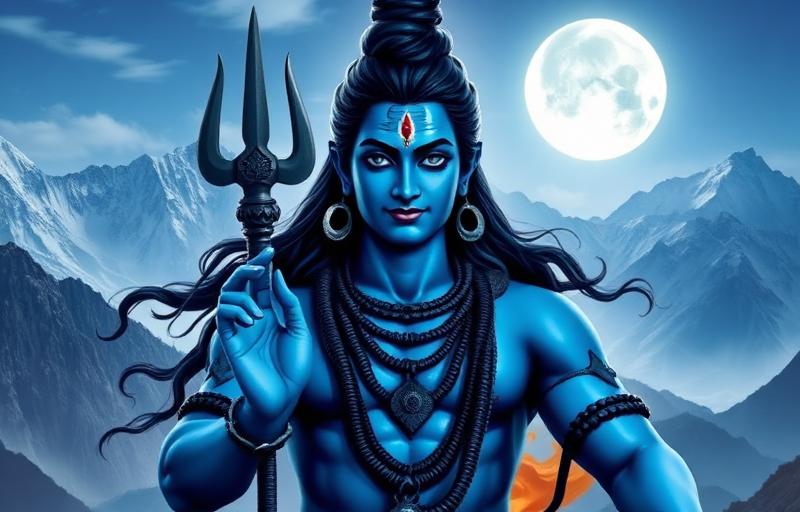
A cherished story tells of a day when Lord Shiva, the ascetic who owns nothing, wished to remind the world that even the greatest yogi depends on food to sustain the body. He set out through the streets of Kashi with a begging bowl, seeking alms.
Goddess Parvati, moved by this and wishing to teach that food itself is a form of the divine, took the form of Annapurna and filled his bowl with her own hands. Tradition holds that Shiva accepted this offering with gratitude, acknowledging that even he, the lord of all creation, bows to the goddess of nourishment. This is why Annapurna is worshipped in Kashi as the one who sustains both the world and its lord.
Why Devotees Turn to Annapurna
Devotees believe that as long as Annapurna's grace rests on Kashi, no one within the city need go hungry. Families visit to pray for a home where food is never scarce, and many take back a small measure of grain from the temple as a blessing to keep in their kitchen.
She is also invoked before starting new ventures connected to food, farming or hospitality, and by anyone seeking simple abundance and contentment rather than excess. The prayer to Annapurna is less about wealth and more about sufficiency, the quiet assurance that one's basic needs will be met.
Darshan Guide and the Annual Crown Celebration

Daily darshan follows the temple's morning and evening rhythm, closely tied to the schedule of the neighbouring Kashi Vishwanath Temple since most pilgrims visit both together. The temple is usually calm through the day with brief periods of heavier crowds during aarti times.
The most celebrated occasion is the annual display of Annapurna's jewelled golden crown around Margashirsha Purnima, when the deity is adorned in resplendent form for a few days and devotees queue for a glimpse considered highly auspicious. This period, sometimes spoken of alongside Annakut traditions of offering abundant food, is the busiest and most festive time to visit.
How to Reach the Annapurna Temple
The temple sits in the same lane cluster as Kashi Vishwanath Temple in the old city, making it one of the easiest additional stops on a Vishwanath darshan visit. It is reached on foot through the narrow galis of the old city, as vehicles cannot enter this area.
Varanasi Junction and Varanasi Cantt railway stations, along with Lal Bahadur Shastri International Airport, connect the city to the rest of India, and from any of these points, a taxi or auto to the Vishwanath temple area is the simplest way to begin the walk to Annapurna's shrine.
A Mantra to Annapurna and the Takeaway
A simple prayer offered to the goddess is:
Om Annapurnayai Namah (Salutations to Goddess Annapurna, the giver of nourishment)
Devotees repeat this quietly before meals or during visits to the temple, as gratitude for the food that sustains life.
Annapurna's presence beside Kashi Vishwanath is a gentle reminder that the sacred and the everyday are never far apart, that devotion also lives in a shared meal and a full plate. Worship here is an act of faith and gratitude, not a transaction, a way of honouring the most basic gift of all: nourishment.
Common Questions From Devotees
Why is Annapurna's temple located right beside Kashi Vishwanath?+
Tradition connects the two through the story of Shiva seeking alms from Parvati in her form as Annapurna, so the two temples stand close together as a reminder that the lord of the universe himself depended on the goddess of food.
What is the significance of the golden crown darshan of Annapurna?+
Once a year around Margashirsha Purnima, the goddess is adorned with a jewelled golden crown for a few days, and devotees consider this darshan especially auspicious, drawing large crowds from across the region.
What do devotees usually pray for at the Annapurna Temple?+
Most devotees pray for a home where food is never scarce and for simple sufficiency and contentment, often taking back a small offering of grain from the temple as a blessing.
About the author
Pandit Ravindra Sharma · Vedic Rituals & Bhakti, 22+ years
Pandit Ravindra is the Vandnaa editorial team's resident specialist on aarti, chalisa, and daily devotion. He has performed home and temple pujas across Varanasi and Delhi for over two decades and contributes the bhakti-focused articles on this site.
Meet the Vandnaa editorial team →