Avimukta Kshetra: The City Never Forsaken
Among all the sacred cities of Hindu tradition, Varanasi holds a place apart, known since ancient times as Avimukta Kshetra, the place that is never forsaken. Devotees believe that while Lord Shiva is present everywhere in creation, Kashi is the one place he has vowed never to leave, even during pralaya, the great dissolution that ends a cosmic cycle.
This belief is why Varanasi is spoken of not merely as a city with important temples, but as Shiva's own home on earth, a place where the boundary between the human and the divine is considered unusually thin.
The Belief That Kashi Rests on Shiva's Trishul
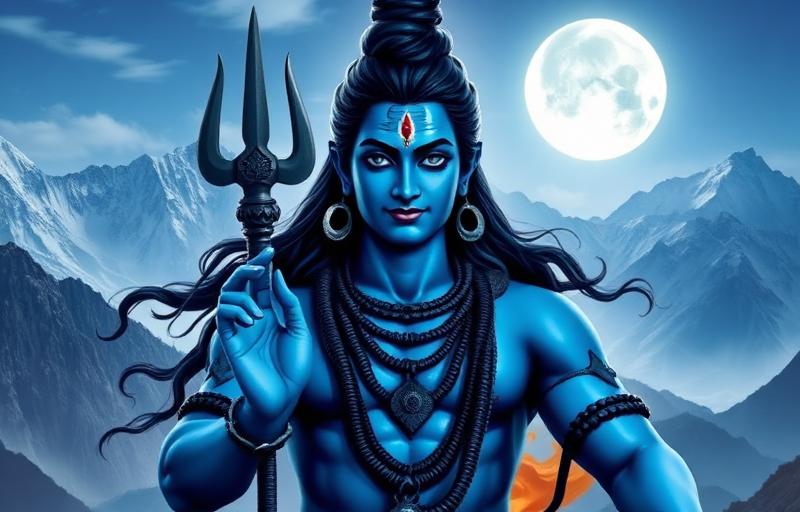
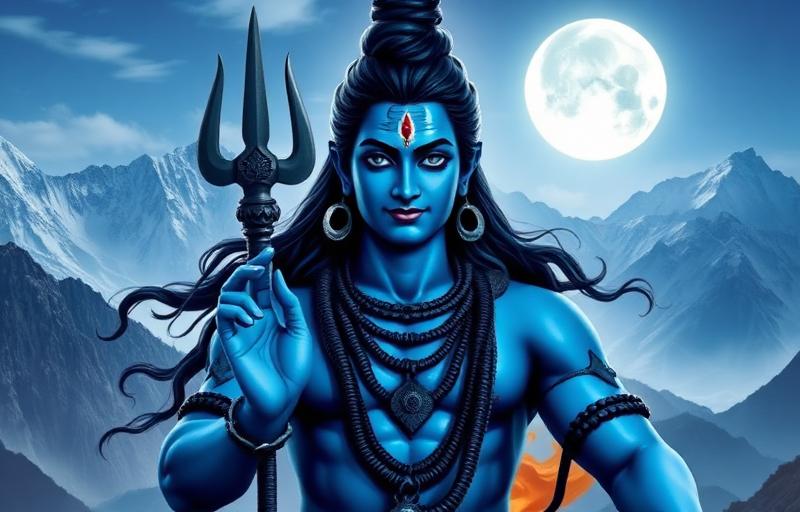
One of the most evocative images in Kashi's tradition is the belief that the city itself rests upon the three points of Lord Shiva's trishul, his trident, lifted above the ordinary earth and held safe by his own power. This image is not meant as a literal geography lesson, but as a profound statement of protection, that Kashi exists under Shiva's direct and constant care.
Because of this, Kashi is counted among the Sapta Puri, the seven cities of Hindu tradition believed to grant moksha, liberation from the cycle of birth and rebirth, standing alongside Ayodhya, Mathura, Haridwar, Ujjain, Kanchipuram and Dwarka.
Why Death in Kashi Is Believed to Grant Moksha
Perhaps the most profound belief tied to Kashi is that a soul departing within its boundaries attains moksha directly, regardless of the karma it carries. Tradition holds that Lord Shiva himself whispers the Taraka Mantra, the mantra that helps a soul cross over, into the ear of the dying, a final act of boundless grace offered to every being without exception.
This belief is so deeply held that many elderly devotees choose, in their final years, to live out their days in Kashi, a practice devotees see not as morbid but as an act of profound faith and preparation, entrusting their final moments entirely to Shiva's compassion.
How This Belief Shapes Life in Kashi Today
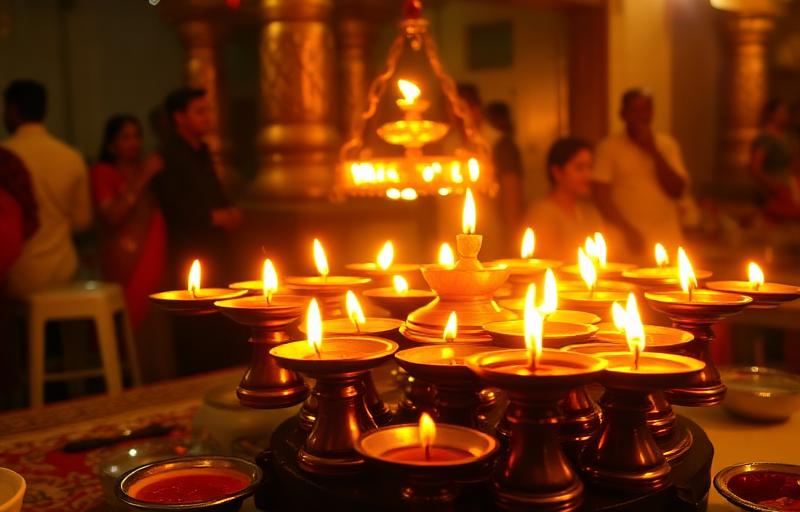
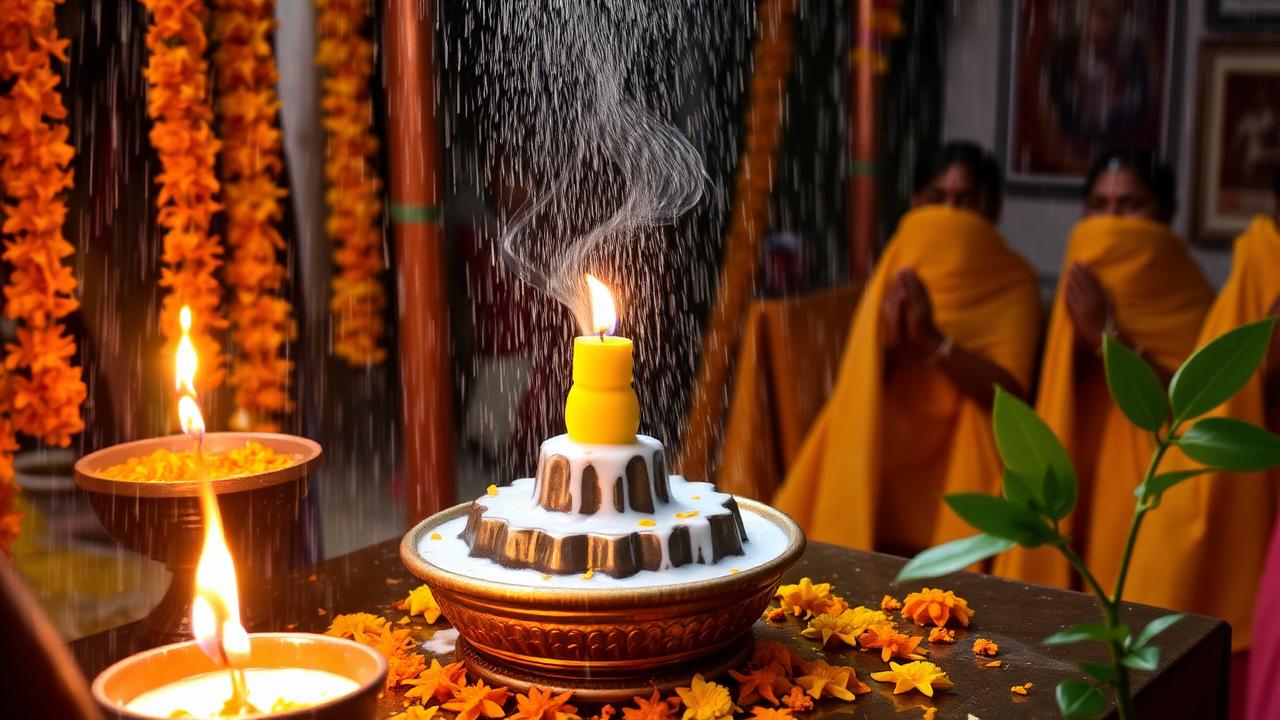
This ancient belief continues to shape daily life across the city. Kashi Vishwanath Temple, home to one of the twelve Jyotirlingas, stands as the most visible expression of Shiva's presence, but devotees hold that his grace fills every lane, ghat and shrine of the old city, not the temple alone.
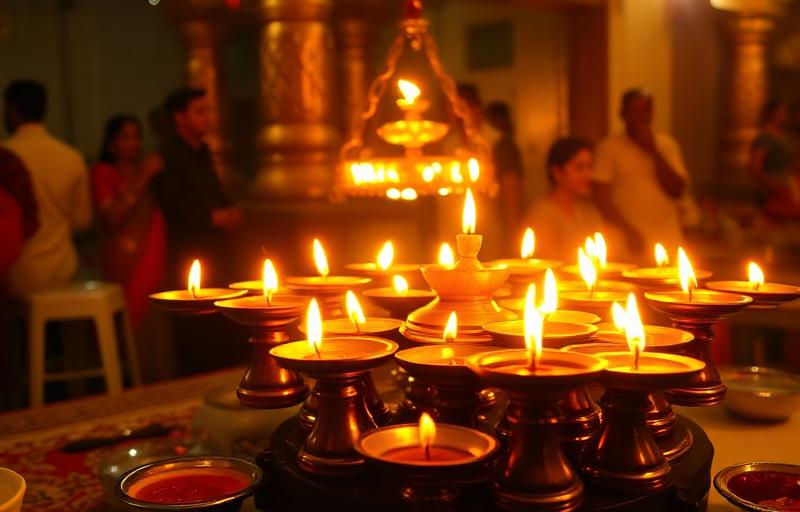
The rhythm of the city, its bells at dawn, its ghats crowded with bathers, its evening aartis and its quiet devotion to Shiva expressed in a hundred small ways, all rest on this single foundational belief: that this is a city the divine has chosen never to leave.
Approaching This Belief with Faith, Not Literalism
For devotees, these traditions are not meant to be measured against modern science or treated as historical claims, but held as expressions of deep faith passed down across centuries. They carry a spiritual truth, that certain places and certain forms of grace are held to be beyond ordinary limits, understood through devotion rather than proof.
Approaching Kashi with this understanding allows a visitor, whether a lifelong devotee or a curious traveller, to appreciate why this city continues to hold such an extraordinary place in the hearts of millions.
A Mantra to Shiva and the Takeaway
Devotees reflecting on Kashi's connection to Shiva often chant the simplest and most universal of all mantras:
Om Namah Shivaya (Salutations to Lord Shiva)
This five-syllabled mantra is believed to carry the essence of surrender to Shiva, fitting for a city built entirely on the idea of his unwavering presence.
Varanasi's identity as Shiva's own city is, at its heart, a story about a promise kept, that some forms of love and protection are never withdrawn. Faith here is an act of trust and devotion, not a transaction, resting in the belief that this ancient city remains held, always, in Shiva's own hands.
What People Ask Most
What does Avimukta Kshetra mean?+
Avimukta Kshetra means the place that is never forsaken. Tradition holds that Lord Shiva has vowed never to leave Varanasi, even during the cosmic dissolution that ends an age, making it a uniquely protected sacred city.
Why is Varanasi included among the Sapta Puri?+
Varanasi is counted among the Sapta Puri, the seven cities Hindu tradition believes grant moksha, because it is regarded as one of the holiest places for a soul to find liberation from the cycle of birth and rebirth.
What is the Taraka Mantra associated with Kashi?+
Tradition holds that Lord Shiva himself whispers the Taraka Mantra, the mantra believed to help a soul cross over to liberation, into the ear of the dying within Kashi, an act of grace devotees consider central to the city's sanctity.
About the author
Pandit Ravindra Sharma · Vedic Rituals & Bhakti, 22+ years
Pandit Ravindra is the Vandnaa editorial team's resident specialist on aarti, chalisa, and daily devotion. He has performed home and temple pujas across Varanasi and Delhi for over two decades and contributes the bhakti-focused articles on this site.
Meet the Vandnaa editorial team →