What Is Manikarnika Ghat
Along the crescent of ghats that line the Ganga in Varanasi, Manikarnika Ghat holds a place unlike any other. It is one of the city's principal cremation grounds, where families bring their departed for the final rites, and it is regarded in Hindu tradition as among the most sacred places for this passage to take place.
For visitors unfamiliar with its significance, the sight can be striking, but for devotees, this ghat is not a place of despair. It is approached as a threshold where the soul completes its earthly journey, held within the deep faith that Kashi itself grants liberation.
The Legend Behind the Name Manikarnika
The name Manikarnika comes from two words, mani meaning jewel and karnika meaning earring. Tradition offers more than one account of how the name came to be, and one of the most cherished tells of a kund, a sacred water tank, dug near this spot by Lord Vishnu with his discus while performing intense tapasya.
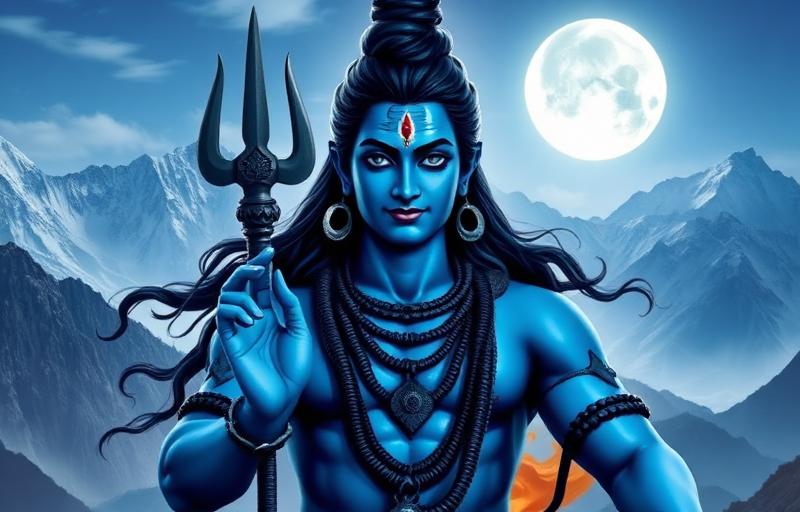
As the story goes, Lord Shiva, moved by this devotion, came to witness it, and in his joy an ornament from his ear fell into the very waters of that kund, which came to be known as Manikarnika Kund. The ghat that grew around this sacred tank carries the name to this day, forever linking the site to both Vishnu's devotion and Shiva's presence.
Why This Ghat Is Linked to Moksha
Hindu tradition holds that Kashi is one of the rare places where death itself is regarded as a doorway to liberation rather than something to fear. Devotees believe that a soul cremated within this sacred city, and especially at Manikarnika, is freed from the cycle of birth and rebirth by Lord Shiva's own grace.
The fires here are traditionally said to have burned without ever going out, tended across generations, a detail devotees hold as a living symbol of the ghat's unbroken sanctity. Families who bring their loved ones here often speak of it not as an ending, but as the fulfilment of a soul's final and most important journey.
Visiting Manikarnika Ghat with Respect
Manikarnika remains a functioning and deeply sacred site, not a tourist spectacle, and visitors are expected to approach it with the same quiet respect they would bring to any place of mourning and prayer. Photography of cremation rites is not appropriate, and it is best to observe quietly from a respectful distance, ideally with a local guide or priest who can explain its significance.
Many pilgrims pause here briefly as part of a wider walk along the ghats, offering a silent prayer for all souls who have found their release at this sacred spot, before continuing on toward Dashashwamedh Ghat or the Vishwanath temple.
How to Reach Manikarnika Ghat
Manikarnika Ghat lies among the central cluster of ghats in the old city, within walking distance of Dashashwamedh Ghat and the lanes leading to Kashi Vishwanath Temple. Boats along the Ganga also pass by the ghat, offering a view from the river.
Varanasi Junction, Varanasi Cantt railway station and Lal Bahadur Shastri International Airport connect the city to the rest of India, and from the old city's main lanes, the ghat is easily reached on foot.
A Reflection to Carry Forward
Devotees often remember a simple truth associated with Kashi at this ghat:
Kashyam maranam muktih (In Kashi, death itself becomes liberation)
This old saying captures the heart of why this ghat is approached with reverence rather than sorrow alone.
Manikarnika Ghat asks visitors to look at death differently, not as an ending shrouded in fear, but as part of a sacred continuity that Kashi has held for generations. Faith here is an act of surrender and love, not a transaction, a reminder that even in loss, tradition offers comfort and meaning.
Reader Questions Answered
Why is Manikarnika Ghat considered so sacred?+
Hindu tradition holds that cremation within Kashi, especially at Manikarnika, frees the soul from the cycle of rebirth by Lord Shiva's grace, making it one of the most spiritually significant ghats in the city.
Where does the name Manikarnika come from?+
The name comes from mani, meaning jewel, and karnika, meaning earring, tied to a tradition that recounts an ornament of Lord Shiva falling into a sacred kund dug by Lord Vishnu near this spot.
Is it appropriate for visitors to take photographs at Manikarnika Ghat?+
No, photography of cremation rites is not appropriate. Visitors are encouraged to observe quietly from a respectful distance and treat the ghat with the same reverence due to any sacred place of mourning.
About the author
Pandit Ravindra Sharma · Vedic Rituals & Bhakti, 22+ years
Pandit Ravindra is the Vandnaa editorial team's resident specialist on aarti, chalisa, and daily devotion. He has performed home and temple pujas across Varanasi and Delhi for over two decades and contributes the bhakti-focused articles on this site.
Meet the Vandnaa editorial team →