The Mahavidya Who Stops
Baglamukhi, also called Pitambara, is one of the Dasa Mahavidyas, the ten great forms of the Devi in the Shakta tantric tradition, and her function within that group is precise.
She is the Devi of stambhana, the power to stop, arrest or immobilise. Where other forms of the Devi destroy, protect, nourish or teach, Baglamukhi halts. In her iconography she is shown holding the tongue of an adversary with one hand and a club raised in the other, which is the tradition's direct visual statement of what she does.
What is stopped, in the tradition's own terms:
- The speech of an opponent, which is why she is invoked in disputes, litigation and confrontation
- The motion of a hostile force, whether an enemy, an illness or a run of misfortune
- The restlessness of the practitioner's own mind, which is the reading her teachers emphasise most
Her colour is yellow, and the association is total. She is Pitambara, the one clothed in yellow, and every element of her worship follows from that colour.
Her three most visited temples in India are at Nalkheda in Madhya Pradesh, Datia in Madhya Pradesh and Bankhandi in Himachal Pradesh, and of these, Nalkheda is the one this article is about.
The Temple at Nalkheda
The Baglamukhi temple at Nalkheda stands on the bank of the Lakhundar river in Agar Malwa district of Madhya Pradesh, in the Malwa plateau country between Ujjain, Shajapur and Agar.
What a visitor finds:
- A temple where yellow is everywhere, on the deity, on the devotees and on the offerings
- The Devi worshipped in her seated form, with the tradition's iconography maintained
- Havan kunds in constant use, since fire ritual rather than simple darshan is the characteristic practice here
- Pandits conducting anushthans on behalf of devotees, which are booked and performed over specified periods
- Shrines to associated deities within the complex
The temple's own tradition places its founding in a very early period, with local accounts connecting it to the Mahabharata era, and the temple has been an active centre of Baglamukhi upasana for a very long time.
What sets Nalkheda apart from an ordinary Devi temple is the nature of the visit. People do not usually come here to offer, take darshan and leave. They come with a specific problem, commission a specific rite, and stay for its duration, which may be a day or considerably longer.
That gives the temple an atmosphere unlike most. It is busy, purposeful and full of fire, and the people there are usually in the middle of something difficult.
Why Everything Is Yellow
The yellow of Baglamukhi worship is not decorative. It is prescribed, and the consistency of it is one of the most striking things about the temple.
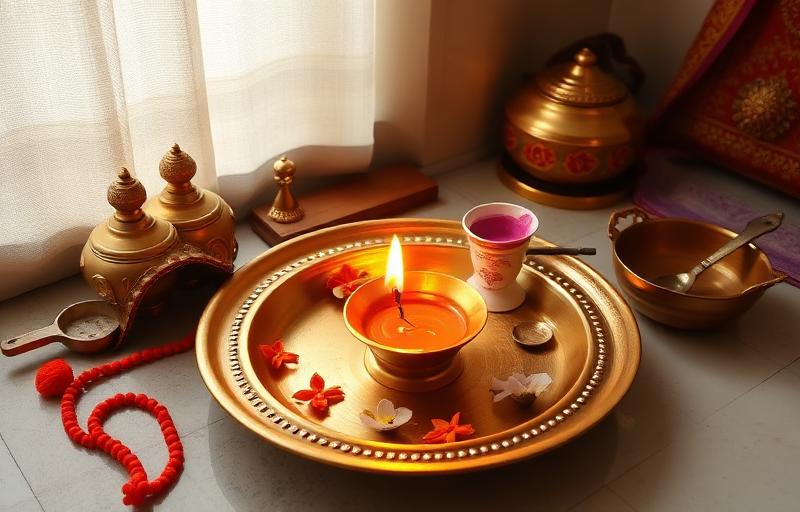
What is offered and used:
- Haldi, turmeric, in quantity, and haldi water for abhishek
- Yellow cloth, offered to the Devi and worn by devotees performing anushthan
- Yellow flowers, with champa and marigold common
- Chana dal and yellow grains, offered and used in havan
- Yellow sweets such as boondi and besan preparations
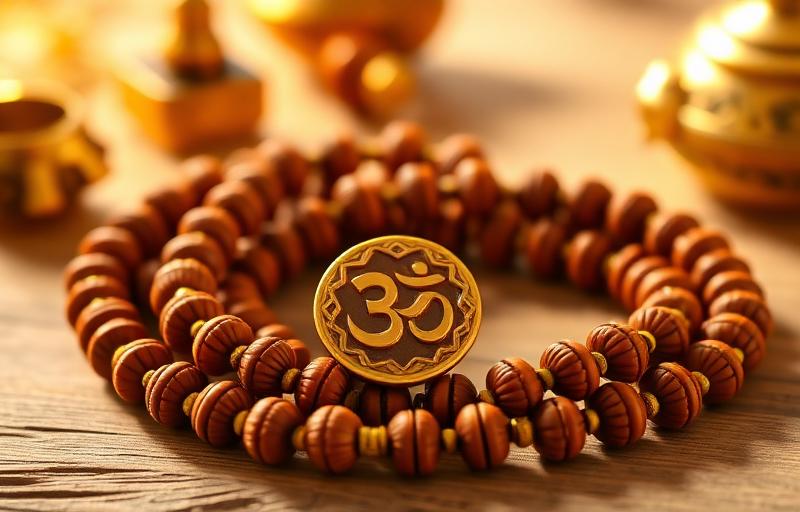
- Haldi mala, a rosary of turmeric beads, used for japa of her mantra
- Yellow asana, the seat used by a practitioner during the rite
The reasoning within the tradition connects yellow to the quality of stability and arrest, and to the Devi's own name as Pitambara, the one in yellow. Practitioners performing her anushthan traditionally use yellow in every element they can control, including their own clothing and diet during the observance.
The practical result at Nalkheda is a temple that looks like nothing else. Sacks of turmeric, yellow cloth on every surface, devotees dressed head to toe in yellow, and yellow smoke from the havan kunds.
For a visitor, this is the detail that makes the Mahavidya tradition legible. These are not vague forms of a general Devi. Each has her own colour, mantra, direction, offering and function, prescribed in detail, and Baglamukhi's is yellow from beginning to end.
Who Comes to Nalkheda and Why
The reasons people give at Nalkheda are unusually specific, and they follow directly from what stambhana means.
- Court cases. Litigants come in significant numbers, and this is the temple's best known association. The anushthan is performed for the matter to be resolved in the devotee's favour or for a hostile case to be halted.
- Disputes, over property, business and family matters
- Protection from enemies, understood broadly, including people the devotee believes are working against them
- Competitive situations, including examinations and elections, which is why the temple sees visitors from public life
- Persistent illness or misfortune, where the devotee wants the run of it stopped
- Fear and mental distress, for which the tradition's stambhana of the restless mind is the relevant reading
The anushthan is booked at the temple, performed by pandits with the devotee present, and involves havan with the prescribed yellow materials, japa of the Baglamukhi mantra and the associated rites, over a period fixed for the purpose.
What this produces is a temple with an unusual congregation. On any given day the people at Nalkheda include farmers with land disputes, families with a court date, students, business owners and people who have come a long way because something in their life will not move.
The temple does not present itself as anything other than that, and devotees are direct about why they are there.
What the Tradition Itself Cautions
A temple where people come to stop their opponents raises an obvious question, and the tradition has an answer that is worth setting out honestly.
What teachers within the Mahavidya tradition consistently say:
- Stambhana is for protection, not injury. The classical purpose is to arrest a harm directed at you, not to initiate harm against someone else.
- Rites intended to damage another person are treated as binding on the one who performs them. This is stated across tantric traditions, not as a moral warning but as a description of how the practice is understood to work.
- The higher reading of stambhana is internal. The tongue held in the Devi's hand is read by her own teachers as the practitioner's restless speech and mind, and the practice as one of stilling it.
- These are not casual rites. Mahavidya upasana traditionally requires initiation, discipline and guidance, and the anushthans performed at temples on a devotee's behalf are conducted by those trained to do so for precisely that reason.
Devotees at Nalkheda are generally clear about this distinction. The request made is that a case be resolved fairly, that a hostile action be stopped, that a run of trouble end.
What should be said plainly for readers, and what responsible practitioners say themselves, is this. A devotional practice is not a weapon, litigation still requires a lawyer, an illness still requires a doctor, and the tradition's own texts are considerably more careful about the ethics of these rites than popular accounts of them tend to be.
The Three Temples and Visiting Nalkheda
Baglamukhi upasana in India centres on three temples, and devotees often know all three.
- Nalkheda, Agar Malwa, Madhya Pradesh - on the Lakhundar, the subject of this article, known for anushthans performed for litigants and for those seeking stambhana
- Pitambara Peeth, Datia, Madhya Pradesh - established in the twentieth century by a figure known as Swamiji Maharaj, and among the most visited Baglamukhi centres in the country
- Bankhandi, Kangra, Himachal Pradesh - the northern centre of her worship
Visiting Nalkheda:
- Location - Agar Malwa district, Madhya Pradesh, in Malwa, reachable from Ujjain, Indore, Shajapur and Bhopal by road
- Access - about two to three hours from Ujjain and Indore, and further from Bhopal
- Best time - October to March. Navratri in both Chaitra and Ashwin is the busiest, and anushthan bookings are heavy then.
- Anushthans - booked at the temple, with the duration and requirements explained there. Do not arrange these through intermediaries who approach you outside.
- What to carry - yellow cloth, turmeric, yellow flowers and offerings, most of which are available at the shops outside
- Dress - devotees performing anushthan wear yellow, and ordinary visitors dress modestly
A closing note. If you visit as an observer rather than a devotee, be aware of who else is there. The people around you at Nalkheda are often in the middle of a court case, a family crisis or a long illness. Watch quietly, do not photograph rituals or devotees without permission, and stay out of the way of the havan area.
Reader Questions Answered
Who is Baglamukhi?+
Baglamukhi, also called Pitambara, is one of the ten Mahavidyas of the Shakta tantric tradition. She is the Devi of stambhana, the power to stop or immobilise, and is shown holding an adversary's tongue with one hand and a club raised in the other.
Why is everything yellow in her worship?+
Yellow is prescribed for her worship, and she is called Pitambara, the one clothed in yellow. Turmeric, yellow cloth, yellow flowers, chana dal, yellow sweets, a haldi mala and a yellow asana are all used, and devotees performing anushthan wear yellow themselves.
Why do people with court cases come to Nalkheda?+
Because Baglamukhi is the Devi of stambhana, the power to stop, and litigants commission anushthans for a matter to be resolved fairly or for a hostile action to be halted. It is the temple's best known association.
What does the tradition say about using these rites against someone?+
Teachers within the tradition are consistent that stambhana is for protection rather than injury, that rites intended to damage another are understood to bind the one performing them, and that the higher reading of stambhana is the stilling of the practitioner's own restless mind.
Where are the main Baglamukhi temples?+
Nalkheda in Agar Malwa district of Madhya Pradesh, the Pitambara Peeth at Datia in Madhya Pradesh, and Bankhandi in Kangra district of Himachal Pradesh are the three principal centres of her worship in India.
How do you reach Nalkheda?+
By road from Ujjain or Indore in about two to three hours, and further from Bhopal, in Agar Malwa district of the Malwa region. October to March is the comfortable season, and Navratri in both Chaitra and Ashwin is the busiest period.
About the author
Pandit Ravindra Sharma · Vedic Rituals & Bhakti, 22+ years
Pandit Ravindra is the Vandnaa editorial team's resident specialist on aarti, chalisa, and daily devotion. He has performed home and temple pujas across Varanasi and Delhi for over two decades and contributes the bhakti-focused articles on this site.
Meet the Vandnaa editorial team →