What are the Dasa Mahavidyas
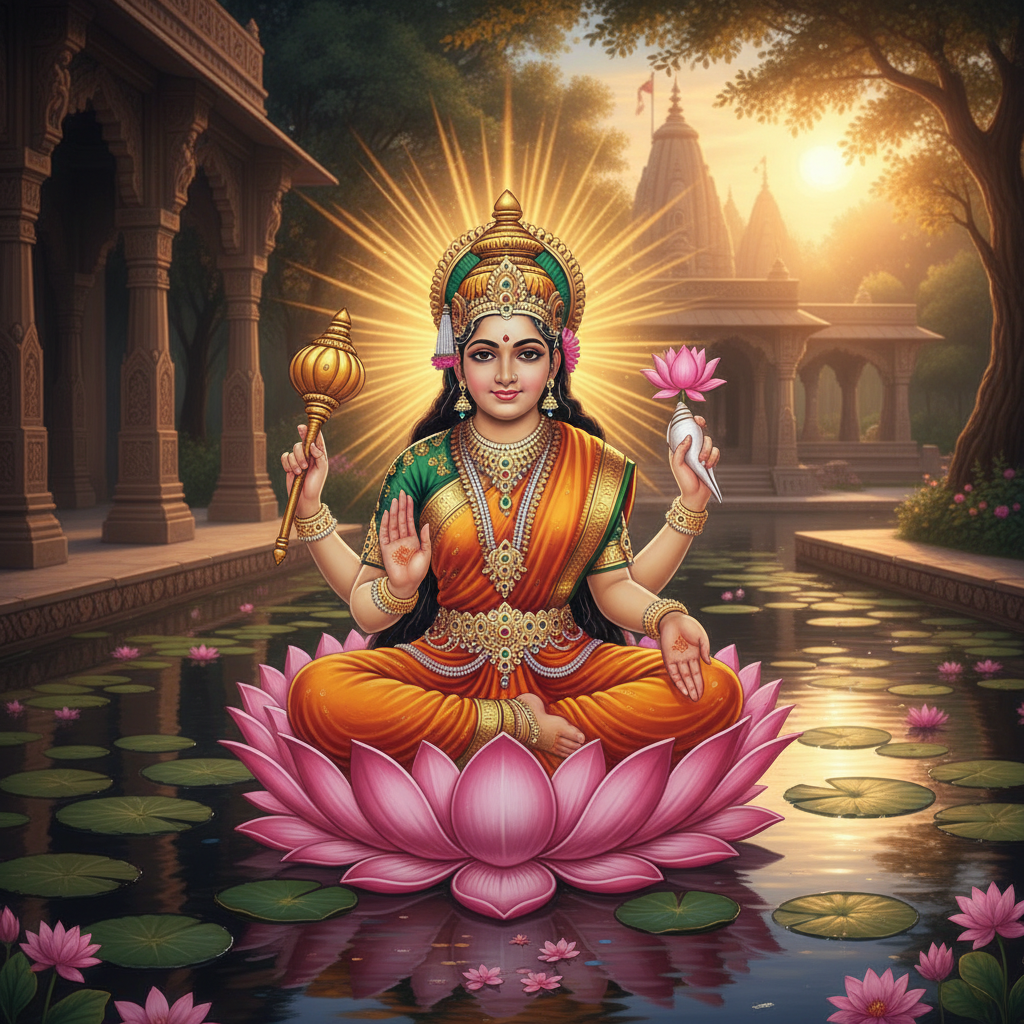
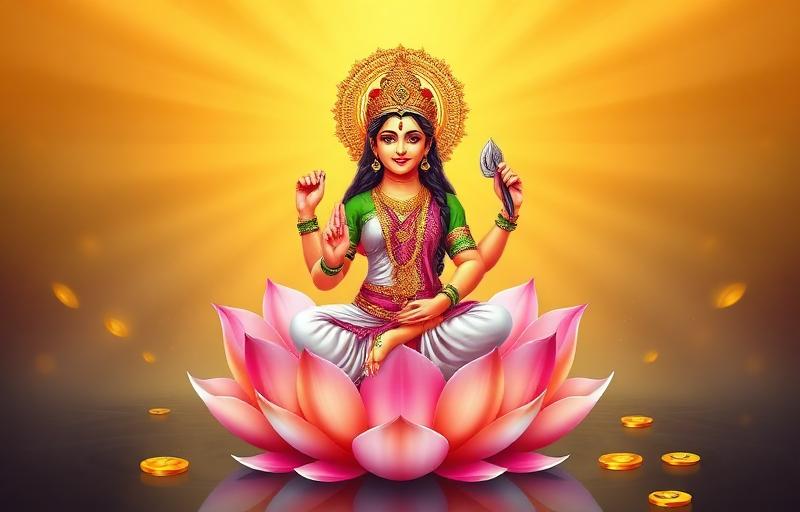
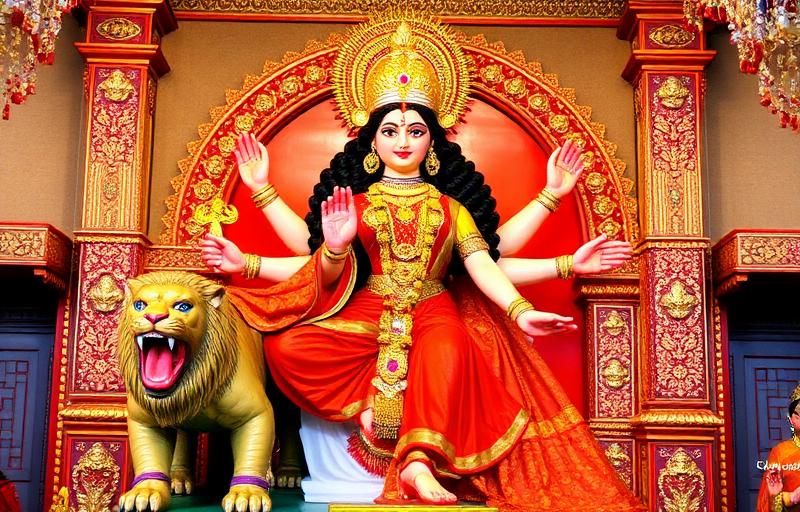
On Nilachal Hill in Guwahati, home to the great Kamakhya temple, pilgrims can also seek out shrines connected to the ten Mahavidyas, the ten great wisdom forms of the Divine Mother described in Shakta tradition: Kali, Tara, Tripura Sundari (Shodashi), Bhuvaneshwari, Chinnamasta, Bhairavi, Dhumavati, Bagalamukhi, Matangi and Kamala.
Not every Mahavidya has a grand, separate temple building on the hill, some are worshipped within smaller shrines, some in corners of the wider Kamakhya complex, and some are more closely associated with specific spots around Nilachal, but together they represent one of the richest concentrations of Dasa Mahavidya worship anywhere in India.
Story and scriptural origin
The Dasa Mahavidyas emerge from Tantric and Puranic tradition as the ten forms Devi assumed to teach Shiva, or in some tellings, forms Sati took to demonstrate her power when Shiva tried to stop her from attending Daksha's yagna. Each Mahavidya represents a different aspect of cosmic wisdom, from fierce transformation in Kali to serene abundance in Kamala.
Kamakhya itself, as one of the most important Shakti Peethas and a supreme centre of Tantric worship, has long been associated with the fullest expression of these ten wisdom forms, making Nilachal Hill a natural place for their combined worship.
Meaning and significance
For devotees, the ten Mahavidyas together represent the full range of the Divine Mother's power, from gentle nurture to fierce protection, and worshipping them as a set is considered a way of honouring the Goddess in Her entirety rather than in just one favoured form. Pilgrims often walk the Nilachal shrines in sequence as a form of moving meditation on these different aspects of Shakti.
- Devotees see the ten forms as covering every human need, protection, wisdom, prosperity, transformation, patience
- Visiting shrines connected to multiple Mahavidyas is treated as a deepening of one's Shakta devotion
- Kamakhya's association with these forms reinforces its position as a supreme Shakti Peetha
How devotees visit and worship

Most pilgrims begin at the main Kamakhya temple itself before making their way to the smaller shrines connected with individual Mahavidyas around the hill, a journey that can take a full day if done thoroughly. Priests and local guides at Kamakhya can direct visitors to the specific shrines associated with each form.
Given the Tantric character of this tradition, some rituals here are more specialised than typical temple worship, and first-time visitors are encouraged to simply observe respectfully and follow the guidance of temple priests rather than attempt elaborate rites on their own.
Benefits as per tradition
As per tradition, devotees who sincerely seek the blessings of the Dasa Mahavidyas believe they receive protection in every area of life covered by these ten forms, courage from Kali, victory from Tara, harmony from Tripura Sundari, sustenance from Bhuvaneshwari, and so on. It is understood as a holistic form of Shakti worship rather than a request for one specific favour.
Devotees are reminded that these are profound and powerful energies, approached best with humility, guidance and sincere faith rather than casual curiosity.
The practical takeaway
Walking the Dasa Mahavidya shrines around Kamakhya leaves most pilgrims with a wider sense of who the Divine Mother is, not a single fixed image but an ocean of forms, each addressing a different truth of existence. It is a journey that rewards patience and openness more than haste.
At its core, this pilgrimage teaches that Shakti cannot be reduced to one form or one favour, and that approaching Her in Her many aspects is, itself, an act of faith and love, not a transaction.
What People Ask Most
What are the ten Mahavidyas?+
The ten Mahavidyas are Kali, Tara, Tripura Sundari, Bhuvaneshwari, Chinnamasta, Bhairavi, Dhumavati, Bagalamukhi, Matangi and Kamala, ten wisdom forms of the Divine Mother in Shakta tradition.
Are all ten Mahavidya shrines inside the Kamakhya temple?+
Not exactly, some are worshipped within the wider Kamakhya complex on Nilachal Hill while others are honoured at smaller shrines around the hill, together forming a rich circuit of Shakta worship.
How should a first-time visitor approach the Dasa Mahavidya shrines?+
First-time visitors are encouraged to observe respectfully, follow temple priests' guidance, and approach these Tantric forms with humility rather than attempting elaborate rituals independently.
About the author
Pandit Ravindra Sharma · Vedic Rituals & Bhakti, 22+ years
Pandit Ravindra is the Vandnaa editorial team's resident specialist on aarti, chalisa, and daily devotion. He has performed home and temple pujas across Varanasi and Delhi for over two decades and contributes the bhakti-focused articles on this site.
Meet the Vandnaa editorial team →