What each festival is and when it falls
Bengal celebrates the Divine Mother most gloriously through two great nights each year, Durga Puja in the autumn month of Ashwin and Kali Puja on the Amavasya of Kartik, the same night that much of India celebrates Diwali. Though both honour the same Shakti, the mood, the imagery and the rituals differ in fascinating ways.
Durga Puja unfolds over several days of grand community celebration, while Kali Puja is concentrated into a single, intense night of worship, often deeply personal and household-centred alongside the larger public pandals.
Katha and scriptural origin
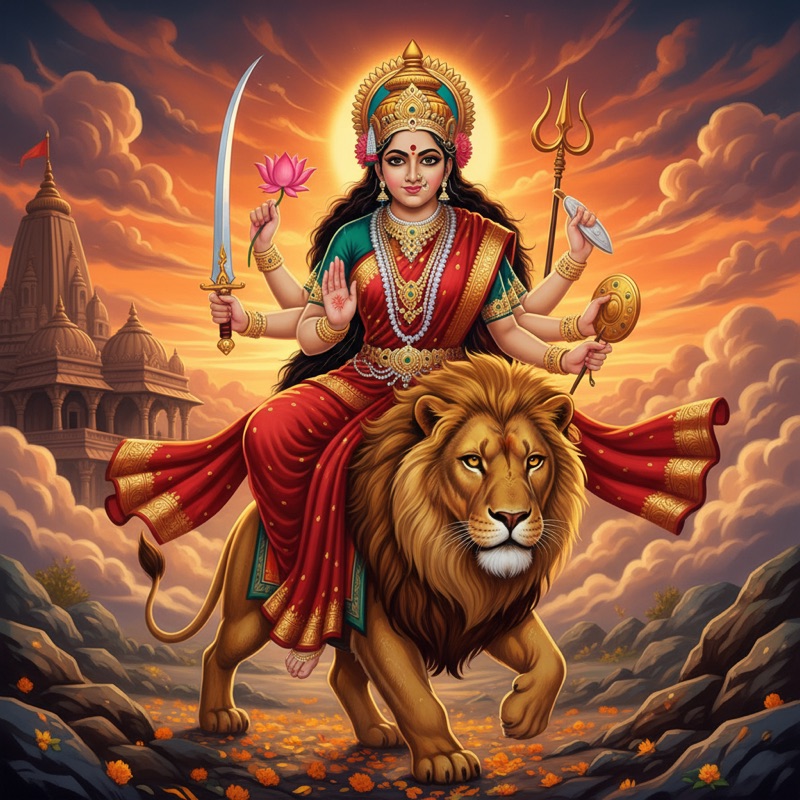
Durga Puja's roots lie in the Devi Mahatmya, celebrating the Goddess's victory over the buffalo demon Mahishasura, a story of good triumphing over evil that is retold through the ten days culminating in Vijayadashami. Kali Puja, in contrast, draws on Kali's fierce form as described in Tantric and Puranic tradition, the goddess who destroys ego and darkness itself.
In Bengal's devotional imagination, Durga is often approached as a beloved daughter returning home to her parents for a few days each year, while Kali is approached with the awe reserved for the primal, untamed force behind all creation and destruction.
Rituals and vidhi compared
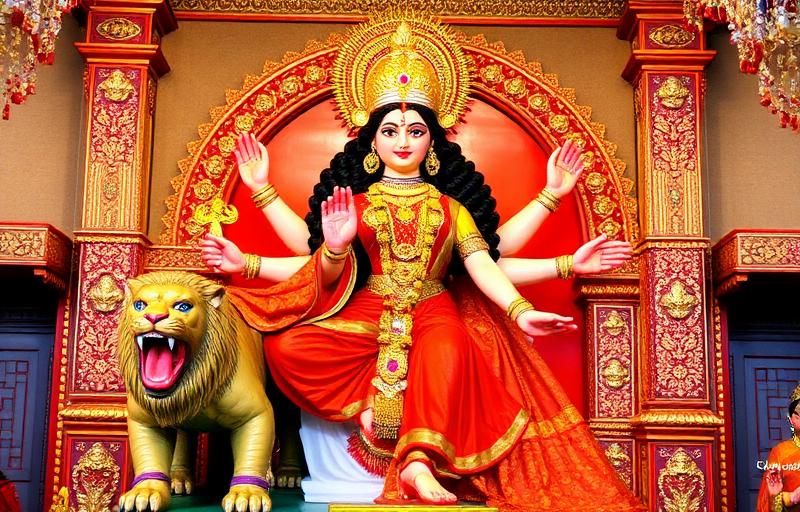
Durga Puja rituals unfold over Shashthi through Dashami, with bodhan, sandhi puja and the emotional bidai on the final day, when the goddess's image is immersed amid tears and drums. Kali Puja rituals, by contrast, are concentrated into the night itself, often involving tantric-style worship, symbolic offerings in most modern households, and prayers that continue well past midnight.
- Durga Puja is a multi-day, daytime-and-evening community festival
- Kali Puja is a single, intense overnight worship, often more personal
- Durga's iconography is serene and maternal, Kali's is fierce and transformative
Regional flavour across Bengal

Kolkata's Durga Puja pandals have become a global cultural phenomenon, with elaborate themes, artistry and community participation drawing visitors from around the world, while Kali Puja nights light up neighbourhoods with equally passionate but more intimate devotion, from grand shrines like Kalighat and Dakshineswar to smaller household altars.
Many families in Bengal observe both festivals with equal devotion, seeing them not as competing celebrations but as two faces of the same eternal Mother, celebrated in the rhythm the Bengali calendar has followed for generations.
Mantras and bhog of both nights
Durga Puja's air carries the sound of Ya Devi Sarvabhuteshu, verses from the Devi Mahatmya recited during Chandipath, alongside offerings of khichuri bhog, labra and payesh shared among thousands at community pandals. Kali Puja nights instead resound with Om Kreem Kalikayai Namah, and households prepare special khichuri, luchi and sweets, offered at midnight with quiet, focused devotion.
Both festivals, in their own distinct rhythm, remind devotees that food shared in the goddess's name is itself a form of worship.
The takeaway
Durga Puja and Kali Puja together capture the full emotional range of Bengal's relationship with the Divine Mother, joyous homecoming on one hand, awe-filled surrender on the other. Understanding both helps devotees, and curious visitors alike, appreciate why Bengal's devotion to Shakti is considered among the richest in India.
Whether in the ten days of Durga Puja or the single night of Kali Puja, the underlying truth remains the same, worship here is an act of faith and love, not a transaction.
Frequently Asked Questions
What is the main difference between Durga Puja and Kali Puja?+
Durga Puja is a multi-day autumn festival celebrating the goddess's victory over Mahishasura, while Kali Puja is a single intense night on Kartik Amavasya honouring Kali's fierce, transformative form.
Do Durga Puja and Kali Puja fall on the same day?+
No, Durga Puja is celebrated over several days in Ashwin, while Kali Puja falls separately on the Amavasya of Kartik, the same night as Diwali.
Why do Bengalis celebrate both Durga Puja and Kali Puja?+
Both festivals honour different aspects of the same Divine Mother, and Bengali families see them as complementary rather than competing, celebrating the full range of Shakti's nature.
About the author
Pandit Mahesh Trivedi · Festival Traditions & Panchang
Pandit Mahesh leads the festival-date and Panchang content on Vandnaa. He cross-references multiple regional panchangs (Drik, Vaishnava, Bengali, Marathi) for every festival date published on the site.
Meet the Vandnaa editorial team →