Who Is Vaidyanath?
Vaidyanath, meaning 'lord of physicians' or 'the divine healer', is Lord Shiva as worshipped at Baijnath, a temple town in Himachal Pradesh's scenic Kangra valley, at the foot of the Dhauladhar range.
Devotees consider this form of Shiva a compassionate healer, one who is prayed to for relief from illness and suffering, both physical and emotional, making the temple a place of quiet hope for many visiting families.
The temple itself, built of stone in the Nagara style of northern temple architecture, is counted among the oldest and most finely carved ancient shrines of the region.
History and the Legend of Ravana's Penance
The temple, according to inscriptions and local tradition, dates back many centuries, with the present stone structure believed to have been built by two local merchants who sought Shiva's healing blessing.
According to legend, it was near this region that Ravana once performed severe penance to please Shiva, offering his own devotion in hopes of gaining strength and protection, a story shared in different forms across several Vaidyanath shrines of northern India.
Over the centuries, Baijnath has remained a living temple, with worship continuing daily much as it is believed to have for generations of devotees before.
Significance and What Devotees Pray For
Devotees visit Baijnath specifically to pray for good health, recovery from illness and general wellbeing for themselves and their loved ones, given Shiva's healer aspect worshipped here.
The temple's serene setting amid the Kangra valley's hills is itself considered restorative by many visitors, who often combine prayer with quiet walks around the temple tank and surrounding gardens.
Devotees also value the temple's ancient carvings, depicting scenes from scripture, as objects of quiet devotional contemplation during their visit.
Darshan Guide and How to Reach
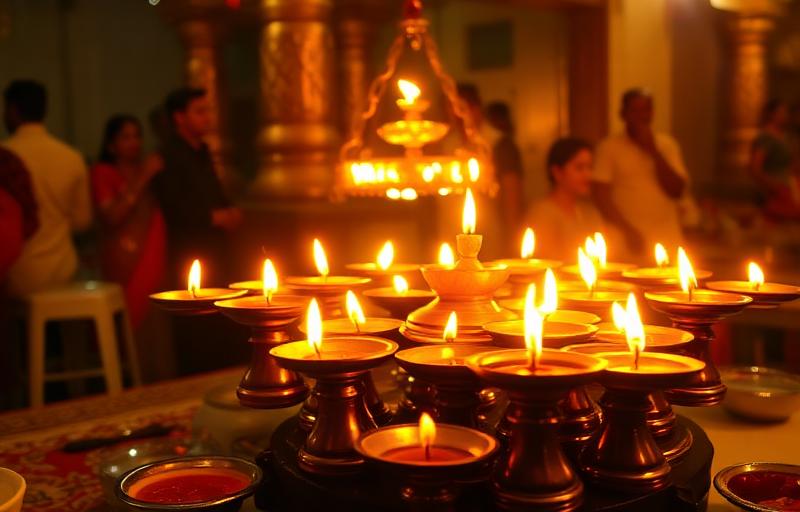
The temple follows a daily pattern of rituals from morning through evening, and devotees are advised to check current timings locally, particularly around Maha Shivratri, which is celebrated here with considerable devotion.
Baijnath is well connected by road to Kangra and Dharamshala, both prominent towns in the valley, making it an easy addition to a Himachal pilgrimage itinerary.
Baijnath Paprola Railway Station, on the narrow gauge Kangra Valley Railway, serves the town directly, while the nearest airport is at Gaggal near Kangra, roughly forty minutes away by road.
Mantra to Chant and a Devotee's Takeaway
Devotees at Baijnath often chant 'Om Vaidyanathaya Namah', meaning 'salutations to the divine healer', along with the universal 'Om Namah Shivaya'.
The temple's healer aspect reminds every devotee that faith often walks hand in hand with the hope for wellness, and that surrendering worry to the divine can itself bring a measure of peace. Worship here, amid the quiet hills of Kangra, is an act of faith and love, not a transaction.
Quick Answers
Why is Shiva worshipped as Vaidyanath at Baijnath?+
Vaidyanath means the divine healer, and devotees visit this temple in Himachal's Kangra valley specifically to pray for good health and recovery from illness for themselves and their families.
How old is Baijnath Temple?+
According to inscriptions and local tradition, the present stone temple dates back many centuries, built by two local merchants seeking Shiva's healing blessing, making it one of the region's oldest shrines.
How do I reach Baijnath Temple in Himachal?+
Baijnath is well connected by road to Kangra and Dharamshala, served by Baijnath Paprola Railway Station on the Kangra Valley narrow gauge line, with Gaggal near Kangra as the nearest airport.
About the author
Pandit Ravindra Sharma · Vedic Rituals & Bhakti, 22+ years
Pandit Ravindra is the Vandnaa editorial team's resident specialist on aarti, chalisa, and daily devotion. He has performed home and temple pujas across Varanasi and Delhi for over two decades and contributes the bhakti-focused articles on this site.
Meet the Vandnaa editorial team →