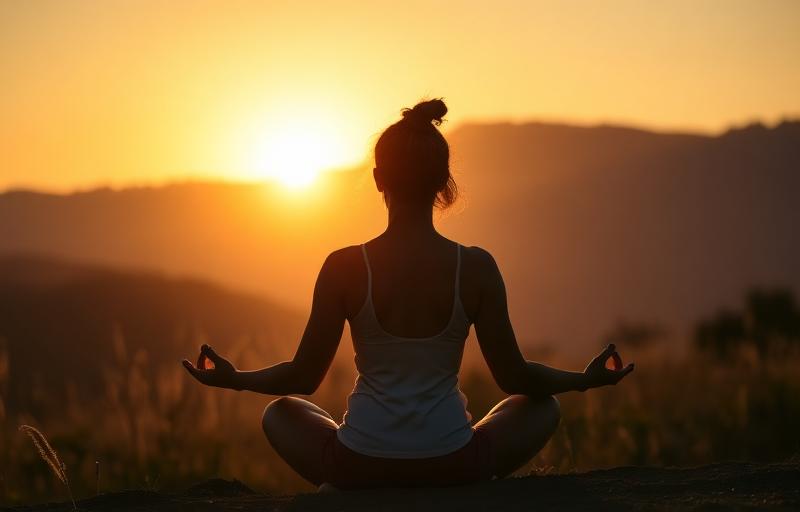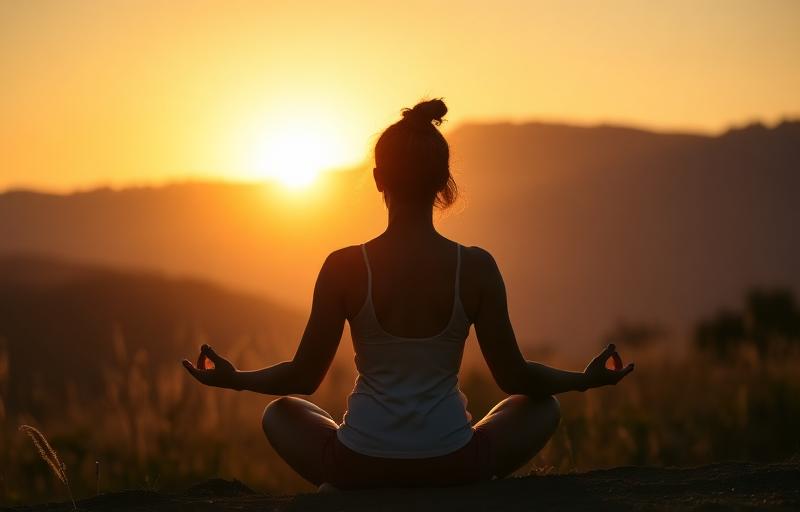
What Are Bandhas?
Bandha means a "lock", "bond" or "seal". In yoga, the bandhas are gentle internal muscular engagements used to direct and contain prana, the vital energy, within the body. By momentarily "locking" a certain region, the practitioner guides prana toward the central channel, the Sushumna.
There are three main bandhas, and when all three are applied together this is called Maha Bandha, the great lock. They are traditionally combined with pranayama and, sometimes, with retention of the breath.
Because the bandhas work directly with the subtle energy body, they are considered advanced practices in Hatha Yoga. They are never meant to be forced. Learning them correctly, in the right sequence and after a foundation of asana and breathing, is essential - which is why they must be learned in person from a knowledgeable teacher.
The Three Locks
The three principal bandhas each seal a different region of the body:
- Mula Bandha (root lock) - a gentle lifting and contraction of the muscles of the pelvic floor, at the base of the trunk. It is said to steady the lower energy and awaken it upward.
- Uddiyana Bandha (upward-flying lock) - drawing the abdomen in and up beneath the ribs after a full exhale. It is called "upward-flying" because prana is said to rise through the Sushumna.
- Jalandhara Bandha (throat lock) - lowering the chin toward the chest to lock the throat, usually during breath retention, guarding the flow of energy in the upper body.
When the three are held together with the breath, they form Maha Bandha. Each has precise timing and technique, and each is traditionally practised on an empty stomach and only when the body is prepared.
Benefits and an Important Caution
In the Hatha Yoga tradition, the bandhas are prized for directing prana inward and upward, supporting deep pranayama, steadying the mind for meditation and, in time, aiding the awakening of kundalini. Practitioners also describe a strengthened core, better breath control and a feeling of inner steadiness.
These are traditional descriptions shared for devotional and educational interest. Please treat the following as essential:
- Learn only from a qualified, experienced teacher, in person and step by step.
- Do not attempt bandhas with breath retention on your own from written descriptions.
- Avoid them if you are pregnant or have heart, blood-pressure, eye, abdominal or other health conditions.
This article is not medical advice. Before beginning bandhas or any intensive breath practice, please consult both a qualified yoga teacher and, if you have any health concern, a doctor.
Reader Questions Answered
What are the three bandhas in yoga?+
The three main bandhas are Mula Bandha, the root lock at the pelvic floor; Uddiyana Bandha, the upward-flying lock drawing the abdomen in and up; and Jalandhara Bandha, the throat lock made by lowering the chin. They are used to direct prana toward the central channel.
What does Maha Bandha mean?+
Maha Bandha means the great lock. It is the practice of applying all three bandhas - Mula, Uddiyana and Jalandhara - together with the breath. Because it combines all three, it is considered advanced and should only be practised under the guidance of a qualified teacher.
Are bandhas safe to practise on my own?+
Bandhas, especially with breath retention, should not be learned from written descriptions alone. They must be learned in person, step by step, from a qualified and experienced teacher, and avoided during pregnancy or with heart, blood-pressure, eye or abdominal conditions. This is not medical advice; consult a doctor if you have any health concern.
About the author
Pandit Ravindra Sharma · Vedic Rituals & Bhakti, 22+ years
Pandit Ravindra is the Vandnaa editorial team's resident specialist on aarti, chalisa, and daily devotion. He has performed home and temple pujas across Varanasi and Delhi for over two decades and contributes the bhakti-focused articles on this site.
Meet the Vandnaa editorial team →