What Is Pranayama
Pranayama comes from prana (life energy) and ayama (extension or control). It is the yogic practice of consciously regulating the breath to calm the mind, balance energy and prepare for meditation. In the eight limbs of yoga (Ashtanga), pranayama follows asana and leads toward deeper concentration. Far more than simple breathing exercise, it is a bridge between the body and the mind, used for centuries by yogis to steady both.
Anulom-Vilom (Alternate Nostril Breathing)
Anulom-Vilom, or alternate nostril breathing, is the gentlest and most popular pranayama. Sit comfortably, close the right nostril with the thumb, inhale slowly through the left, then close the left and exhale through the right. Reverse and continue. It is said to balance the ida and pingala nadis, calm the nervous system, reduce stress and improve focus. Because it is gentle, it suits almost everyone and is a good starting point for beginners.
Kapalbhati (Skull-Shining Breath)
Kapalbhati is an energising practice of short, forceful exhalations with passive, natural inhalations, driven by the abdomen. It is believed to cleanse the respiratory system, improve digestion, energise the body and clear the mind. Start with one round of 20-30 gentle pumps and rest. Because it is vigorous, Kapalbhati should be avoided by those who are pregnant, or who have high blood pressure, heart conditions, hernia or recent surgery, and is best learnt under a qualified teacher.
Bhramari, Ujjayi and Other Types
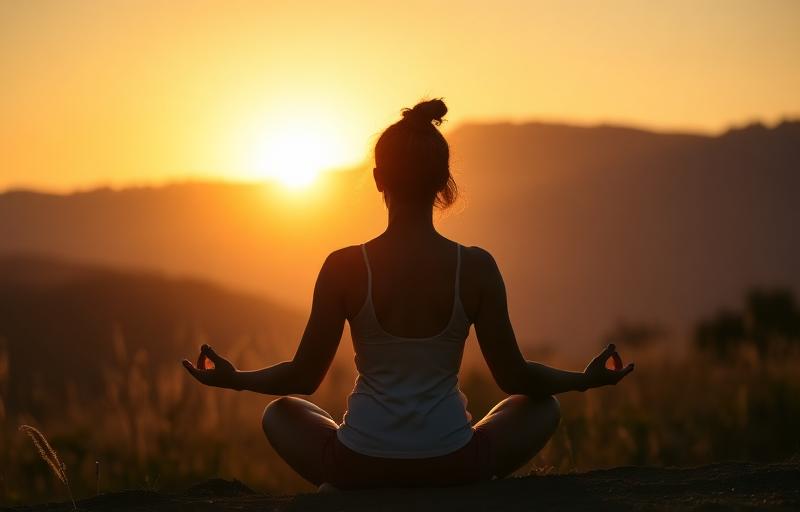
Other valuable pranayamas include:
1. Bhramari (Bee Breath) - exhaling with a soft humming sound; deeply calming for anxiety, anger and sleeplessness. 2. Ujjayi (Victorious Breath) - a gentle ocean-like sound made at the throat; builds focus and warmth. 3. Bhastrika (Bellows Breath) - vigorous deep breathing for energy; use with care like Kapalbhati. 4. Sheetali (Cooling Breath) - inhaling through a curled tongue to cool the body and calm the mind.
Each has its own purpose, so choose according to your need and capacity.
Benefits of Regular Pranayama
Regular, gentle pranayama is traditionally said to calm the mind and reduce stress, improve focus and clarity, support healthy breathing and digestion, and deepen meditation. It helps cultivate steadiness, patience and inner peace, qualities valued on every spiritual path. For devotees, a few minutes of breathing before prayer or chanting settles the mind and makes worship more heartfelt and undistracted.
How to Practice Safely - Cautions
Practise on an empty stomach, ideally in the morning, sitting upright in a calm, airy place. Begin slowly and never strain or force the breath - dizziness is a sign to stop and breathe normally. Vigorous practices like Kapalbhati and Bhastrika should be avoided during pregnancy or with high blood pressure, heart conditions, hernia or recent surgery. Pranayama is a traditional wellness practice, not a medical cure; those with health conditions should consult a doctor and learn under a qualified teacher.
Reader Questions Answered
What is pranayama?+
Pranayama is the yogic practice of consciously controlling the breath to calm the mind, balance energy and prepare for meditation. It is the fourth limb of the eight limbs of yoga.
Which pranayama is best for beginners?+
Anulom-Vilom, alternate nostril breathing, is the gentlest and safest for beginners. It calms the mind, balances energy and suits almost everyone when practised slowly.
When is the best time to practice pranayama?+
Early morning on an empty stomach is ideal, in a calm and airy place. Practising before prayer or meditation also helps settle the mind for deeper, more focused worship.
Who should avoid Kapalbhati and Bhastrika?+
These vigorous practices should be avoided during pregnancy or by those with high blood pressure, heart conditions, hernia or recent surgery. They are best learnt under a qualified teacher.
Which pranayama helps with anxiety and sleep?+
Bhramari, the bee breath, with its soft humming exhalation, is deeply calming and traditionally used to ease anxiety, anger and sleeplessness when practised gently.
Is pranayama a substitute for medical treatment?+
No. Pranayama is a traditional wellness and spiritual practice, not a medical cure. Practise gently without strain, and those with health conditions should consult a doctor first.
About the author
Pandit Ravindra Sharma · Vedic Rituals & Bhakti, 22+ years
Pandit Ravindra is the Vandnaa editorial team's resident specialist on aarti, chalisa, and daily devotion. He has performed home and temple pujas across Varanasi and Delhi for over two decades and contributes the bhakti-focused articles on this site.
Meet the Vandnaa editorial team →Explore on Vandnaa
Related Articles
Seven Chakras - Meaning, Balance & Awakening Guide
10 min read
Om (Aum) Symbol - Meaning, Significance & Chanting Benefits
9 min read
Moksha & the 4 Purusharthas - Dharma, Artha, Kama, Moksha
9 min read

Gayatri Mantra Meaning, Benefits & How to Chant (गायत्री मंत्र)
12 min read
Om Namah Shivaya Mantra Benefits & Meaning (ॐ नमः शिवाय)
9 min read
Bhagavad Gita - All 18 Chapters Summary & Key Teachings
10 min read