What Are the Chakras
In yogic tradition, chakras (literally 'wheels') are subtle energy centres located along the sushumna nadi, the central channel of the spine. There are seven main chakras through which prana (life energy) flows. When they are balanced, energy moves freely and one feels healthy, calm and clear. When blocked, physical, emotional or spiritual imbalance can arise. Each chakra has its own colour, element, seed sound (bija mantra) and qualities.
The Lower Chakras - Root to Solar Plexus
The first three chakras govern the physical and personal self:
1. Muladhara (Root) - base of the spine, element earth, colour red, bija Lam. Governs survival, stability and grounding. 2. Svadhisthana (Sacral) - lower abdomen, element water, colour orange, bija Vam. Governs emotion, creativity and pleasure. 3. Manipura (Solar Plexus) - navel, element fire, colour yellow, bija Ram. Governs willpower, confidence and digestion.
The Upper Chakras - Heart to Crown
The upper four chakras govern love, expression and spirit:
4. Anahata (Heart) - centre of the chest, element air, colour green, bija Yam. Governs love, compassion and balance. 5. Vishuddha (Throat) - throat, element space/ether, colour blue, bija Ham. Governs speech, truth and expression. 6. Ajna (Third Eye) - between the eyebrows, beyond the elements, colour indigo, bija Om. Governs intuition and insight. 7. Sahasrara (Crown) - top of the head, pure consciousness, colour violet or white. The seat of union with the Divine.
How to Balance the Chakras
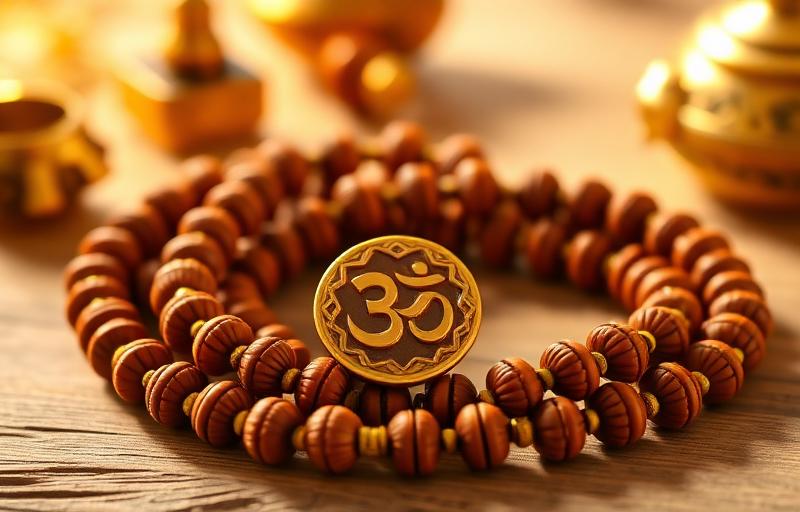
Chakras are balanced gently through regular practice, not force:
1. Pranayama and meditation - steady breathing and focus on each centre. 2. Bija mantras - chanting Lam, Vam, Ram, Yam, Ham, Om for each chakra. 3. Yoga asanas - poses that open specific areas of the body. 4. Mindful living - honesty for the throat, compassion for the heart, grounding for the root.
Consistency and a calm mind matter far more than intensity. Treat this as devotional self-care, not a quick fix.
Chakras and Kundalini Awakening
Kundalini is described as the dormant spiritual energy coiled at the base of the spine. Through sincere practice, this energy is said to rise through the chakras toward Sahasrara, bringing deep awareness and spiritual awakening. This is a profound process that should never be forced or rushed. Traditionally it unfolds naturally under the guidance of a qualified teacher (guru), supported by purity, devotion and patience.
A Word of Caution
Chakra and kundalini practices are traditional aids to spiritual growth, not medical treatments. Approach them gently, avoid forceful breath-holding or intense techniques without guidance, and stop if you feel dizzy or unwell. Those with health conditions should consult a doctor. The goal is balance and inner peace, achieved with patience, devotion and respect for the body.
What People Ask Most
How many chakras are there?+
There are seven main chakras along the spine, from Muladhara (root) at the base to Sahasrara (crown) at the top of the head, with several minor chakras described in tradition.
What is the root chakra and where is it?+
Muladhara, the root chakra, is at the base of the spine. Its element is earth, its colour red and its bija mantra is Lam. It governs survival, stability and grounding.
How can I balance my chakras?+
Through regular pranayama, meditation, chanting bija mantras, yoga asanas and mindful living. Consistency and a calm mind matter more than intensity; treat it as gentle self-care.
What are the chakra bija mantras?+
The bija sounds are Lam (root), Vam (sacral), Ram (solar plexus), Yam (heart), Ham (throat) and Om (third eye). The crown is associated with silence and pure awareness.
What is kundalini awakening?+
Kundalini is the dormant spiritual energy at the base of the spine. Through sincere practice it is said to rise through the chakras to Sahasrara, ideally under a guru's guidance and never forced.
Are chakra practices a substitute for medical care?+
No. Chakra and kundalini practices are traditional spiritual aids, not medical treatments. Practise gently, avoid forceful techniques without guidance, and consult a doctor for health concerns.
About the author
Pandit Ravindra Sharma · Vedic Rituals & Bhakti, 22+ years
Pandit Ravindra is the Vandnaa editorial team's resident specialist on aarti, chalisa, and daily devotion. He has performed home and temple pujas across Varanasi and Delhi for over two decades and contributes the bhakti-focused articles on this site.
Meet the Vandnaa editorial team →Explore on Vandnaa
Related Articles

Pranayama - Types, Benefits & How to Practice
9 min read
Om (Aum) Symbol - Meaning, Significance & Chanting Benefits
9 min read
Moksha & the 4 Purusharthas - Dharma, Artha, Kama, Moksha
9 min read
Reincarnation (Punarjanam) - Soul, Karma & Rebirth
9 min read
Om Namah Shivaya Mantra Benefits & Meaning (ॐ नमः शिवाय)
9 min read

Lotus Flower - Significance in Hinduism & Which Deity
8 min read