What Is a Beej Mantra
A beej (bija) mantra is a single seed syllable that holds the concentrated power of a deity or cosmic energy, just as a tiny seed holds an entire tree. These short sounds - such as Aim, Hreem, Shreem and Kleem - usually have no dictionary meaning, yet each is a vibration that awakens a specific divine force. They form the core of larger mantras and are central to tantra and devotional sadhana.
Why Beej Mantras Are Powerful
The power of a beej mantra lies in its sound vibration, not its literal meaning. Each syllable resonates with a particular deity and energy centre (chakra) in the body. Because the energy is so concentrated, beej mantras are considered fast-acting and are usually chanted under guidance, with discipline and a steady mind. The greatest of all is Om, called the pranava or primal seed from which all other sounds arise.
List of Main Beej Mantras
The most widely chanted beej mantras and their deities are:
1. Om - the primal sound, Brahman itself. 2. Aim - Maa Saraswati; knowledge, speech and wisdom. 3. Hreem - Maa Bhuvaneshwari and Devi; energy and purity. 4. Shreem - Maa Lakshmi; wealth and abundance. 5. Kleem - Kamadeva and Krishna; love and attraction. 6. Dum - Maa Durga; protection and strength. 7. Gam - Lord Ganesha; removal of obstacles. 8. Hum and Phat - protective seeds used to ward off negativity.
Scriptural Basis
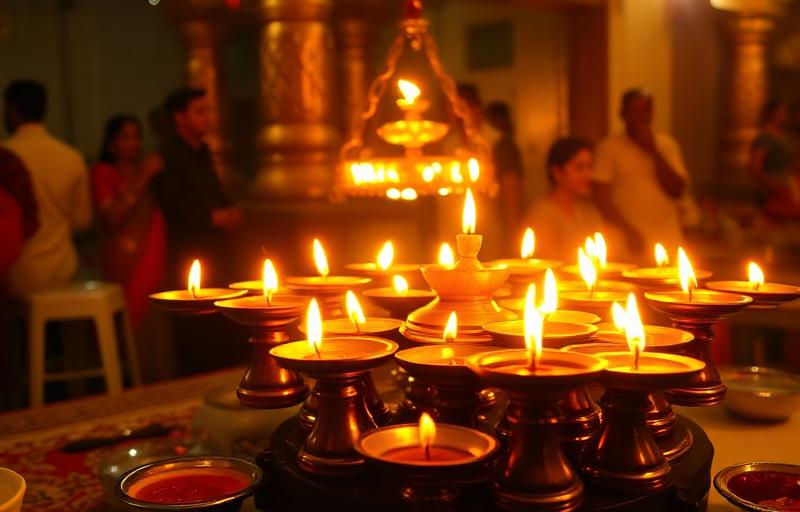
Beej mantras are described in the Tantras, the Agamas and texts like the Mantra Mahodadhi. The idea rests on the concept of shabda brahman - that the universe arose from divine sound, beginning with Om. Each deity is said to have a beej that is the sonic form of their being. Chanting it is therefore a direct way of invoking and merging with that energy.
How to Chant Beej Mantras
1. Sit in a clean place facing east, with a calm posture. 2. Take the beej alone or join it to a deity name, for example Om Shreem Lakshmiyai Namah. 3. Chant on a rudraksha or tulsi mala, ideally 108 times daily. 4. Pronounce the anuswara (the closing 'm' nasal sound) clearly, as the vibration matters most. 5. Keep the same beej and routine for a fixed period to build sadhana. It is best to learn the exact pronunciation from a guru or experienced practitioner.
Examples in Common Mantras
Many famous mantras open with a beej. For wealth, devotees chant Om Shreem Mahalakshmiyai Namah; students use Om Aim Saraswatyai Namah; the Durga seed appears in Om Dum Durgayai Namah; and Ganesha worship begins with Om Gam Ganapataye Namah. The same beej can also be combined, as in the Devi mantra Om Aim Hreem Kleem Chamundayai Vichche, layering several energies together.
Do's and Don'ts
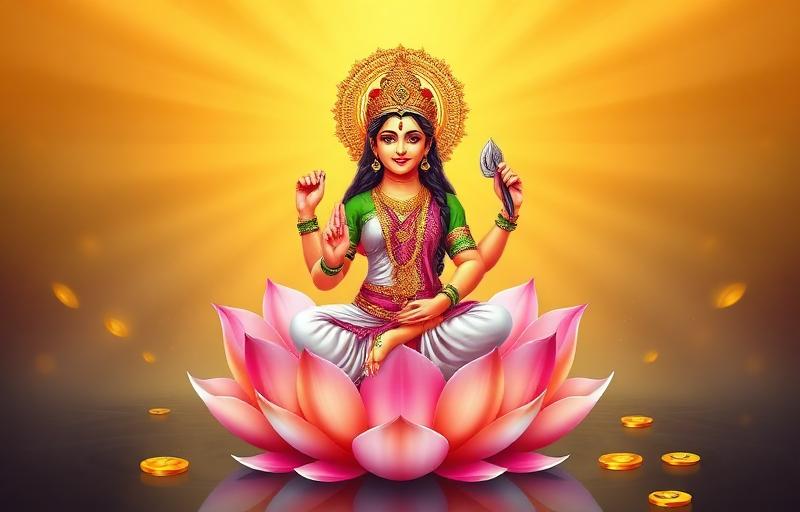
Do: learn correct pronunciation, chant with faith and cleanliness, stay with one beej or mantra long enough to feel its effect, and ideally take it from a guru. Don't: treat beej mantras as casual sounds, mix many of them carelessly, chant the fierce protective seeds like Hum or Phat without guidance, or use them with harmful intent. Sincere, disciplined practice is what brings their blessing.
Reader Questions Answered
What is a beej mantra?+
A beej mantra is a single seed syllable, such as Aim, Hreem or Shreem, that holds the concentrated energy of a deity. Its power lies in sound vibration rather than literal meaning.
What does Hreem, Shreem, Kleem mean?+
Hreem is the seed of the Devi and Bhuvaneshwari for energy and purity, Shreem is Lakshmi's seed for wealth, and Kleem is the seed of Kamadeva and Krishna for love and attraction.
Which is the most powerful beej mantra?+
Om is the most powerful beej, called the pranava or primal sound. It is Brahman itself and the source from which all other seed syllables and mantras arise.
How many times should a beej mantra be chanted?+
Beej mantras are usually chanted 108 times daily on a rudraksha or tulsi mala. Keeping the same mantra and routine for a fixed period builds a steady sadhana and deeper effect.
Do beej mantras need a guru?+
It is strongly recommended. A guru ensures correct pronunciation and suitable practice, especially for fierce protective seeds like Hum and Phat, which should not be chanted casually or without guidance.
Can beej mantras be combined with deity names?+
Yes. Beej mantras commonly open larger mantras, such as 'Om Gam Ganapataye Namah' or 'Om Shreem Mahalakshmiyai Namah', joining the seed sound to the deity's name for focused worship.
About the author
Acharya Vinaya Kapoor · M.A. Sanskrit, Mantra & Stotra Studies
Acharya Vinaya holds an M.A. in Sanskrit from Banaras Hindu University and writes the mantra and stotra commentary on Vandnaa. Her focus is on accurate pronunciation, traditional context, and helping modern readers connect with classical texts.
Meet the Vandnaa editorial team →Explore on Vandnaa
Related Articles

Om (Aum) Symbol - Meaning, Significance & Chanting Benefits
9 min read

Gayatri Mantra Meaning, Benefits & How to Chant (गायत्री मंत्र)
12 min read

Om Namah Shivaya Mantra Benefits & Meaning (ॐ नमः शिवाय)
9 min read
Das Mahavidya - 10 Forms, Significance & Mantras
10 min read

Mantra, Tantra & Yantra - The Difference Explained
9 min read
Guru Mantra & Diksha - Significance Explained
9 min read