What Is Bhadrapada Maas and When Does It Fall in 2026
Bhadrapada, lovingly called Bhado in North India, is the sixth month of the Hindu lunar calendar and in 2026 falls roughly across August and September. It arrives in the heart of the monsoon and in the middle of Chaturmas, when devotional discipline is already at its peak. Few months are as densely packed with beloved festivals: Krishna Janmashtami opens the month in its Krishna Paksha, Hartalika Teej and Ganesh Chaturthi light up the Shukla Paksha, and Radha Ashtami and Anant Chaturdashi carry it to a luminous close, after which Pitru Paksha begins. Every one of these days follows a lunar tithi, so confirm exact dates on the Vandnaa Panchang rather than assuming fixed calendar dates. The Amanta calendars of the South and West count some of these days differently, naming the Krishna Paksha as Shravan, but the festival days themselves are celebrated together across the country, which is why Bhadrapada feels like one long, shared utsav.
Why Bhadrapada Is a Holy Month - The Scriptural Basis
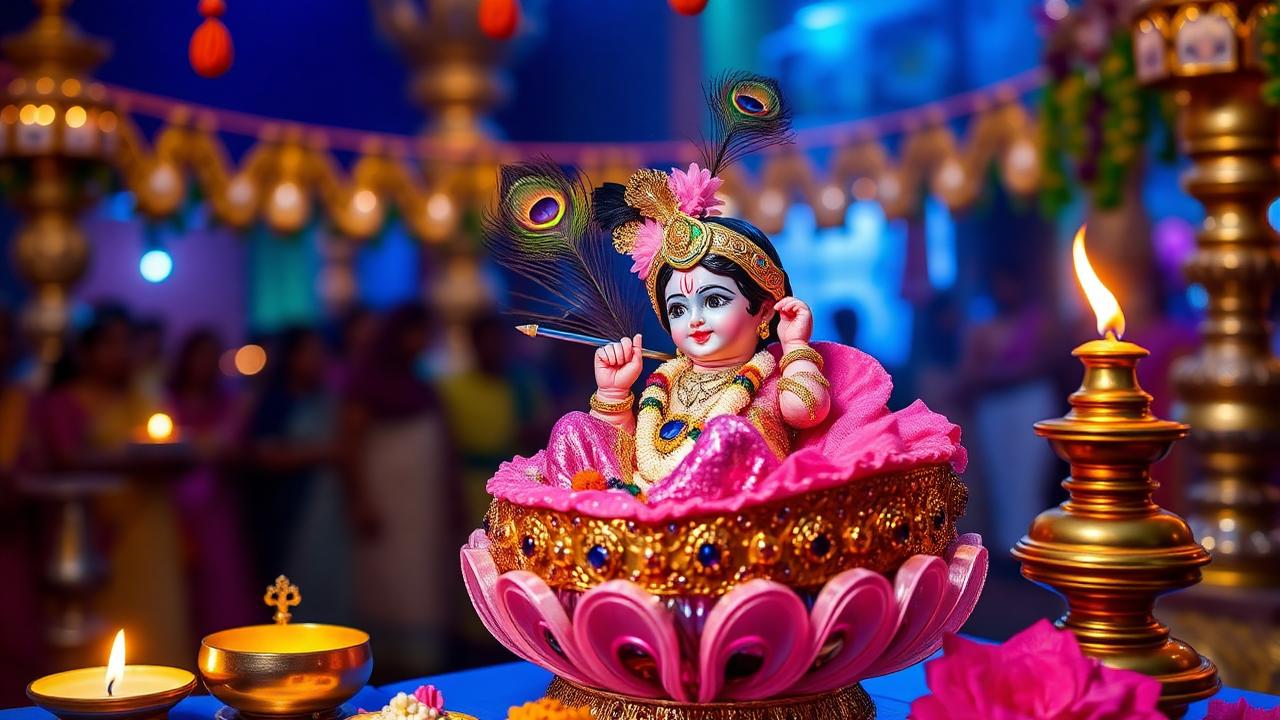
Bhadrapada's holiness flows from two divine appearances. Per the North Indian Purnimanta reckoning, Lord Krishna was born at midnight on Bhadrapada Krishna Ashtami in Mathura - the event the Bhagavata Purana places at the centre of Kali Yuga devotion. Days later, Lord Ganesh is honoured on Bhadrapada Shukla Chaturthi, his appearance day described in the Ganesh and Skanda Puranas, when homes welcome him as a living guest. The month is also dear to Goddess Parvati: on Hartalika Teej women recall her great tapasya to win Shiva. Because Bhadrapada sits inside Chaturmas, the Puranas count its vrats - Janmashtami, Ganesh Chaturthi, Anant Chaturdashi - among the most fruit-bearing of the year, and tradition especially recommends listening to the Shrimad Bhagavata in this month. Many families therefore organise a Bhagavata saptah - a seven-day reading of the Purana - in Bhadrapada, or simply read Krishna's birth chapters aloud at home, letting children grow up inside the story.
Major Festivals and Vrats of Bhadrapada 2026
The sacred days of Bhadrapada, in the order they arrive: 1. Krishna Janmashtami (Krishna Ashtami) - midnight birth celebration of Lord Krishna, with fasting, jhanki and kirtan. 2. Hartalika Teej (Shukla Tritiya) - a rigorous nirjala vrat kept by women for marital blessing, worshipping Shiva and Parvati. 3. Ganesh Chaturthi (Shukla Chaturthi) - Ganpati sthapana begins the ten-day Ganeshotsav. 4. Rishi Panchami (Shukla Panchami) - honouring the Sapta Rishis with purification and gratitude. 5. Radha Ashtami (Shukla Ashtami) - appearance day of Shri Radha, beloved in Braj. 6. Anant Chaturdashi (Shukla Chaturdashi) - Vishnu as Anant is worshipped with the fourteen-knot thread; Ganesh visarjan concludes Ganeshotsav. With Bhadrapada Purnima, the Shraddha of Pitru Paksha begins. Confirm every tithi on the Vandnaa Panchang. Kajari Teej and other regional observances also brighten the Krishna Paksha in many states, so ask your elders which days your own family keeps.
Ganeshotsav - Ten Days with Ganpati at Home
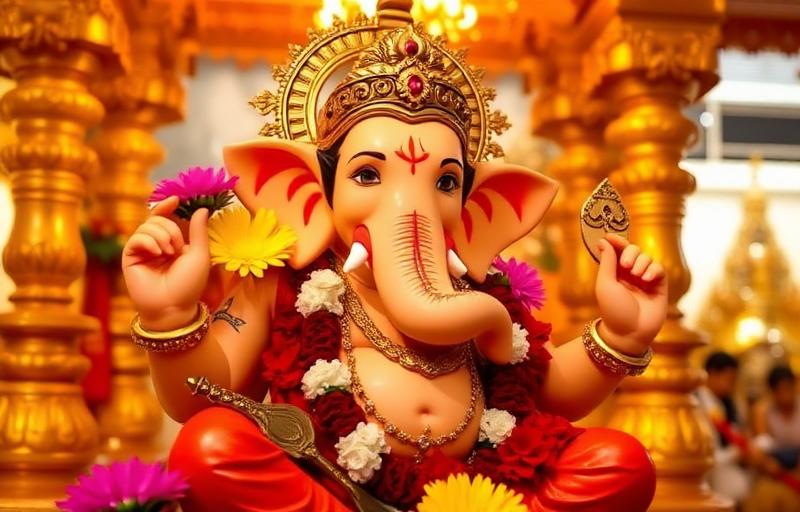
From Ganesh Chaturthi to Anant Chaturdashi, Bhadrapada becomes Ganpati's month. Devotees install a murti of Lord Ganesh at home or in the community pandal, treating him as an honoured guest: morning and evening aarti, fresh durva grass, red flowers and his beloved modak. Daily chanting of Om Gan Ganpataye Namah or the Ganesh Atharvashirsha fills the home. Families keep the murti for one and a half, three, five, seven or ten days according to their tradition, then offer visarjan, asking Bappa to return next year - Ganpati Bappa Morya, pudhchya varshi laukar ya. The deeper teaching of these ten days is hospitality of the heart: when God is treated as family, devotion stops being a ritual and becomes a relationship. Even a small clay murti, worshipped with sincerity twice a day, carries the full blessing - tradition in fact prefers an eco-friendly murti that returns gently to the earth at visarjan.
Daily Practices - Snan, Daan, Japa and Deity Focus
Bhadrapada belongs to Krishna and Ganesh, and its daily niyam reflect both: 1. Snan - bathe before sunrise; on festival days add a few drops of Ganga jal while remembering the holy rivers. 2. Japa - chant Om Namo Bhagavate Vasudevaya or the Hare Krishna mahamantra daily; during Ganeshotsav add Om Gan Ganpataye Namah. 3. Bhagavata shravan - read or listen to a portion of the Shrimad Bhagavata, especially the tenth canto on Krishna's birth and lila. 4. Daan - give grains, ghee, jaggery and clothing; feeding children is considered especially dear to Bal Gopal. 5. Vrat - keep Janmashtami and the Ekadashis of the month with a satvik diet. 6. Tulsi and diya - water Tulsi daily and light an evening lamp, continuing your Chaturmas sankalpa without break. Keep the practices light enough to sustain daily; a short seva offered every single day pleases Bappa and Kanha more than a grand one offered twice.
What to Avoid in Bhadrapada
Traditional restraint for the month: 1. Chaturmas custom asks devotees to give up curd (dahi) in Bhadrapada, just as leafy greens are avoided in Shravan - follow your family's practice. 2. Avoid tamasic food, alcohol and non-vegetarian food, especially around Janmashtami and Ganeshotsav. 3. Since marriages and grih pravesh remain paused inside Chaturmas, avoid scheduling such beginnings without consulting your purohit. 4. During Ganpati's stay at home, do not leave the murti unattended or skip the daily aarti; receive him with the consistency you would give a revered guest. 5. As Pitru Paksha approaches at the month's end, avoid new purchases and celebrations per North Indian custom, turning instead toward remembrance of ancestors. 6. On vrat days avoid rice and heavy grains where tradition specifies, eating light satvik phalahar. Treat each restraint as a gift to the deities you are hosting this month, not as a rule imposed from outside.
Living Bhadrapada Devotionally
Bhadrapada teaches devotion through celebration. Keep the midnight vigil of Janmashtami and let Krishna's birth feel like a birth in your own home. Welcome Ganpati with durva and modak, and let the ten days train you in daily, undistracted seva. Honour Radha Ashtami by remembering that the highest devotion is selfless love, and tie the Anant sutra on Anant Chaturdashi as a promise that your faith will hold through every knot of life. Then, as the month closes and Pitru Paksha begins, let celebration soften into gratitude for those who came before you. Use the Vandnaa app for daily aarti, Krishna and Ganesh mantras and the Panchang so each tithi of this packed month finds you prepared. If the month feels crowded, choose one anchor - the midnight of Janmashtami, the ten days of Ganpati, or the Anant sutra - and give it your whole heart; one festival fully lived outweighs five merely attended.
What People Ask Most
When does Bhadrapada Maas 2026 fall?+
Bhadrapada is the sixth Hindu lunar month and in 2026 falls roughly across August and September. The month begins and ends on lunar tithis, and the Purnimanta (North) and Amanta (South-West) systems mark its boundaries differently, so check the exact start, end and festival dates on the Vandnaa Panchang for your tradition.
Is Janmashtami in Shravan or Bhadrapada?+
Both statements are true, depending on the calendar system. Krishna was born on Krishna Ashtami; in the North Indian Purnimanta reckoning that paksha belongs to Bhadrapada, while the Amanta system used in the South and West counts the same days as Shravan. The actual festival day is identical everywhere - only the month's name differs.
How many days should Ganpati be kept at home?+
There is no single rule. Families keep the Ganesh murti for one and a half, three, five, seven or the full ten days up to Anant Chaturdashi, according to their own tradition and capacity. What matters is unbroken daily seva - morning and evening aarti, fresh durva and modak bhog - for however many days Bappa stays.
What is Anant Chaturdashi and the Anant sutra?+
Anant Chaturdashi (Bhadrapada Shukla Chaturdashi) is the worship of Lord Vishnu as Anant, the endless one. Devotees keep a vrat and tie a sacred thread with fourteen knots - the Anant sutra - on the arm, representing the fourteen lokas the Lord pervades. The same day is also the visarjan day that concludes the ten-day Ganeshotsav.
Why are no big celebrations held at the end of Bhadrapada?+
Because Pitru Paksha, the fortnight of Shraddha for ancestors, begins from Bhadrapada Purnima. North Indian custom pauses new purchases, housewarmings and celebrations during this period, turning the family's attention to tarpan, shraddha and feeding others in memory of departed elders. Festivity returns with full force in Ashwin's Sharad Navratri. Routine daily puja, japa and obligations already fixed earlier continue as normal; only fresh auspicious beginnings are set aside for the fortnight.
Which mantras should I chant in Bhadrapada?+
Keep two streams of japa. For Krishna: Om Namo Bhagavate Vasudevaya or the Hare Krishna mahamantra, chanted 108 times daily, with extra rounds on Janmashtami. For Ganesh: Om Gan Ganpataye Namah through the ten days of Ganeshotsav, with the Ganesh Atharvashirsha if you can. The Vandnaa app has both with audio and counters.
About the author
Pandit Mahesh Trivedi · Festival Traditions & Panchang
Pandit Mahesh leads the festival-date and Panchang content on Vandnaa. He cross-references multiple regional panchangs (Drik, Vaishnava, Bengali, Marathi) for every festival date published on the site.
Meet the Vandnaa editorial team →