What Is Indira Ekadashi
Indira Ekadashi is the Ekadashi of Ashwin Krishna Paksha, and it holds a place no other Ekadashi does: it falls in the middle of Pitru Paksha, the fortnight dedicated to the ancestors. While every Ekadashi is a vrat of Lord Vishnu that purifies the devotee, the scriptures say the punya of Indira Ekadashi can be dedicated to one's departed ancestors, helping release them from suffering and guiding them toward Vishnu's abode. It is thus a rare meeting of bhakti and pitru seva.
Tithi and When It Falls in 2026
Indira Ekadashi is observed on the Ekadashi (eleventh day) of Ashwin Krishna Paksha, during Pitru Paksha and a few days before Sarva Pitru Amavasya. By the Gregorian calendar it usually falls in September. Ekadashi timings, the parana (fast-breaking) window and Dwadashi tithi vary by year and city, so please confirm the exact date and parana muhurat on the Vandnaa Panchang.
The Katha of King Indrasena
In Satya Yuga, the noble King Indrasena ruled Mahishmati. One day Devarshi Narad arrived and revealed that the king's departed father, due to a lapse in a past vrat, was still suffering in Yamaloka instead of attaining liberation. The father had sent a plea: let my son observe Indira Ekadashi and offer me its merit. Narad taught the king the full vidhi - shraddha for the ancestors by day, Vishnu puja and a strict fast, jagran through the night and the merit dedicated to the father. Indrasena observed it perfectly with his family, and as flowers rained from the sky, his father was seen rising on Garuda to Vishnu's supreme abode. The king himself ruled long and reached the same destination.
Who Keeps This Vrat and Why

Anyone may keep Indira Ekadashi, but it is especially observed by those who wish to serve their departed parents and ancestors - sons and daughters performing Pitru Paksha rites, families troubled by pitru dosh, and devotees of Vishnu seeking both personal purification and their ancestors' peace. Because its merit can be gifted onward, the vrat is considered one of the most compassionate acts a descendant can perform during Pitru Paksha.
Step-by-Step Vrat Vidhi
The vidhi spans three days, as Narad taught Indrasena: 1. On Dashami (the day before), eat one simple sattvik meal before sunset and sleep early with a calm mind. 2. On Ekadashi morning, bathe, take sankalp before Lord Vishnu, and observe a strict fast - nirjala if health permits, otherwise falahar. 3. At midday, perform shraddha and tarpan for your ancestors with water, black sesame and food offerings; feed Brahmins, a cow, a dog and a crow as Pitru Paksha custom. 4. Worship Shaligram or an image of Lord Vishnu with tulsi leaves, flowers, dhoop, deep and naivedya. 5. Keep jagran at night with kirtan, Vishnu Sahasranama or the mantras below. 6. On Dwadashi, after morning puja and feeding Brahmins or the needy, break the fast within the parana window, and mentally dedicate the vrat's merit to your ancestors.
Fasting Rules and Falahar
Standard Ekadashi rules apply: no grains, rice, pulses or beans in any form, as tradition holds that negativity resides in grain on this tithi. Falahar may include fruits, milk, curd, sabudana, singhara, rajgira, kuttu and rock salt preparations. Avoid onion, garlic, rice and heavy food even for non-fasting family members. Speak truthfully, avoid anger, and spend the day in remembrance of Vishnu and the ancestors.
Mantras and Benefits
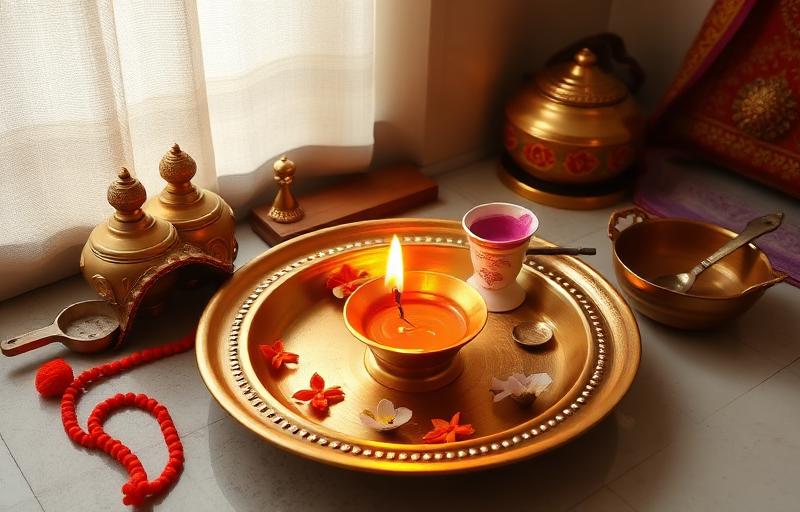
Chant through the day and during jagran:
Om Namo Bhagavate Vasudevaya - the great twelve-syllable Vishnu mantra.
Om Namo Narayanaya - for surrender and the ancestors' peace.
Hare Krishna Hare Krishna, Krishna Krishna Hare Hare, Hare Rama Hare Rama, Rama Rama Hare Hare - the mahamantra for kirtan and jagran.
Benefits: the scriptures promise that Indira Ekadashi observed with faith releases ancestors from suffering, removes pitru dosh, purifies the devotee of sins, and grants both worldly wellbeing and progress toward moksha for the family line.
Common Questions From Devotees
What makes Indira Ekadashi different from other Ekadashis?+
It is the only Ekadashi that falls within Pitru Paksha, and its special power is that the vrat's merit can be dedicated to one's departed ancestors for their liberation, as in the katha of King Indrasena.
When does Indira Ekadashi fall?+
It falls on the Ekadashi of Ashwin Krishna Paksha during Pitru Paksha, usually in September. Confirm the exact date and parana muhurat on the Vandnaa Panchang, as timings change yearly.
Can shraddha be performed on Indira Ekadashi?+
Yes. The traditional vidhi itself combines midday shraddha and tarpan for the ancestors with Vishnu puja and fasting, which is exactly how Narad instructed King Indrasena to observe the day.
What can be eaten during the Indira Ekadashi fast?+
Grains, rice, pulses and beans are avoided. Falahar items like fruits, milk, curd, sabudana, singhara, rajgira, kuttu and rock-salt preparations are permitted for those not keeping a nirjala fast.
How is the merit of the vrat offered to ancestors?+
After completing the vrat and parana on Dwadashi, the devotee prays to Lord Vishnu with folded hands and mentally dedicates the entire punya of the vrat to the departed, asking for their peace and liberation.
Is night jagran necessary on Indira Ekadashi?+
Jagran with kirtan and Vishnu smaran is a traditional and highly recommended part of the vrat, but those unable to stay awake all night may extend their evening prayers and sleep with Vishnu's name in mind.
About the author
Pandit Mahesh Trivedi · Festival Traditions & Panchang
Pandit Mahesh leads the festival-date and Panchang content on Vandnaa. He cross-references multiple regional panchangs (Drik, Vaishnava, Bengali, Marathi) for every festival date published on the site.
Meet the Vandnaa editorial team →Explore on Vandnaa
Related Articles
How to Do Shradh (Pitru Paksha) - Vidhi & Rules
9 min read
Kamika Ekadashi 2026 - Vrat Vidhi, Katha & Benefits
8 min read
Putrada Ekadashi 2026 - Vrat Vidhi, Katha & Significance
8 min read
Ekadashi Vrat Food (Falahar) - What to Eat & Avoid
9 min read
Vrat ke Niyam - General Fasting Rules, Dos & Donts
9 min read
Sharad Purnima 2026 (Kojagari) - Kheer, Significance and Puja Vidhi
9 min read