What Is Sharad Purnima
Sharad Purnima is the full moon of the month of Ashwin, marking the arrival of sharad ritu (autumn) after the monsoon. Tradition holds that on this one night the moon shines with all sixteen kalas (phases of perfection) and its rays carry amrit - the nectar of healing and nourishment. It is celebrated as Kojagari Purnima in Bengal, Odisha and Maharashtra with night-long Lakshmi worship, and as Raas Purnima in Braj, remembering Shri Krishna's divine Maha-Raas with the gopis of Vrindavan.
Tithi and When It Falls in 2026
Sharad Purnima falls on the Purnima (full moon) of Ashwin month, after Sharad Navratri and Dussehra and about a fortnight before Diwali. On the Gregorian calendar it usually arrives in October. The moonrise time and the exact Purnima tithi window matter for the kheer ritual and Lakshmi puja, so please confirm the date, moonrise and puja muhurat for your city on the Vandnaa Panchang.
Kojagari - The Night Lakshmi Asks Who Is Awake
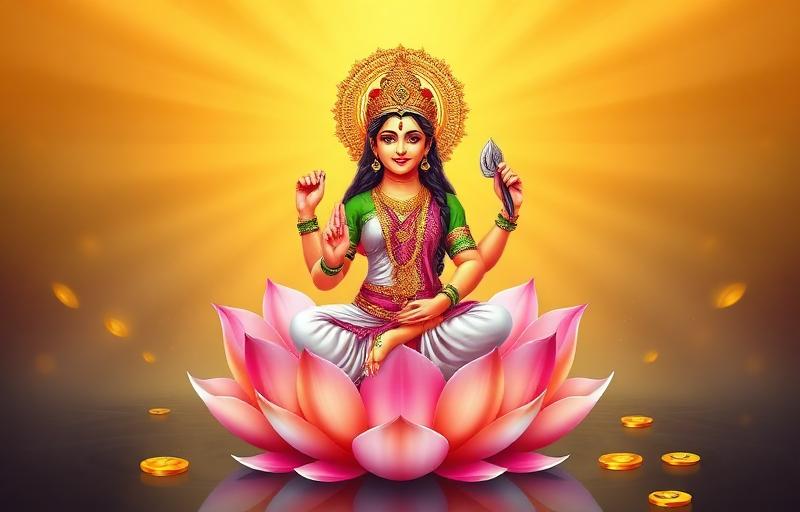
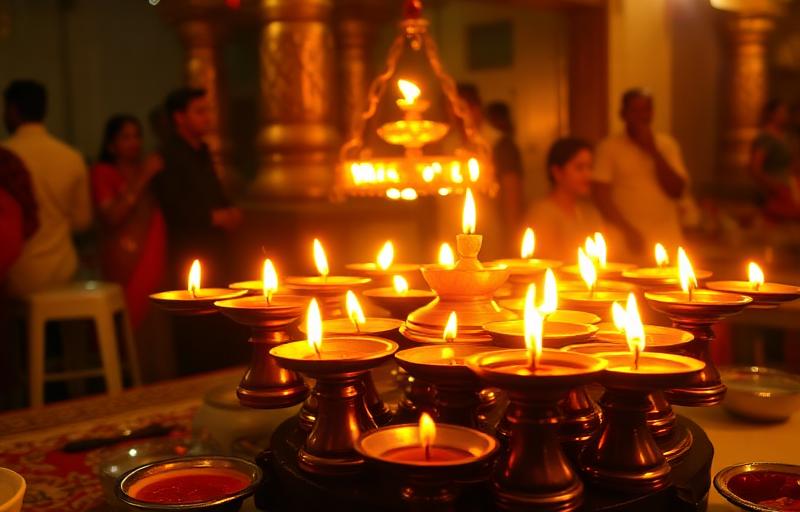
The name Kojagari comes from the Sanskrit 'Ko jagarti?' - 'who is awake?'. Tradition says that on this night Maa Lakshmi descends and roams the earth, asking this question at every door. Those found awake in devotion - worshipping, singing and keeping vigil - receive her blessings of wealth, abundance and grace for the whole year. This is why devotees keep jagran through the night with Lakshmi puja, aarti, kirtan and games of remembrance under the full moon.
Why Kheer Is Kept Under the Moonlight
The most beloved ritual of Sharad Purnima is the kheer - rice cooked slowly in milk with sugar, cardamom and dry fruits - placed under the open sky in the moonlight, traditionally covered with a thin muslin cloth or fine mesh. As the moon's amrit-laden rays fall on it through the night, the kheer is believed to absorb healing and cooling properties. Ayurveda too regards this full moon as the turning point when the body needs cooling nourishment after the heat of the year. The kheer is eaten the next morning as prasad by the whole family.
Krishna's Maha-Raas in Vrindavan
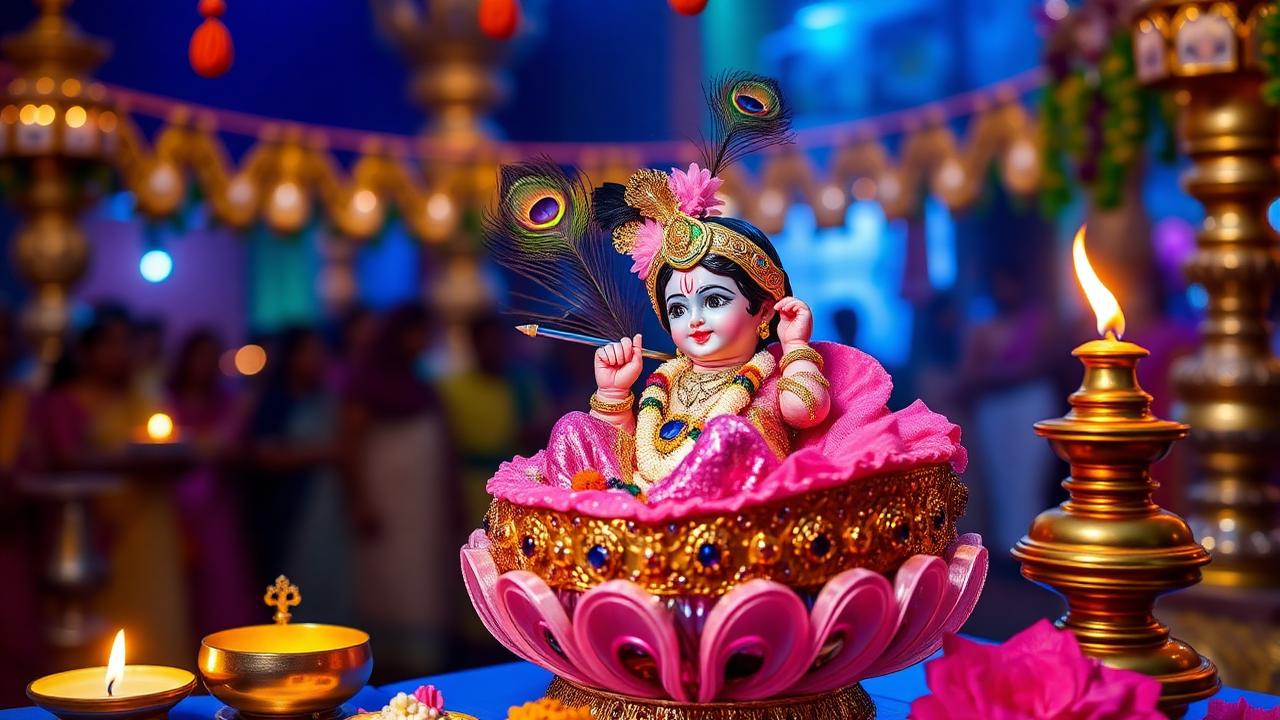
The Bhagavata Purana tells that on this very full moon night, Shri Krishna performed the Maha-Raas with the gopis on the banks of the Yamuna. Hearing his flute, the gopis left everything and came; Krishna multiplied himself so each gopi felt the Lord dancing with her alone. It is the night the moon stretched to honour - tradition says the night of the Raas lasted as long as a night of Brahma. The Maha-Raas represents the soul's complete, undivided love for God, which is why Sharad Purnima is also a night of bhakti, music and divine remembrance in temples of Braj.
Step-by-Step Puja Vidhi
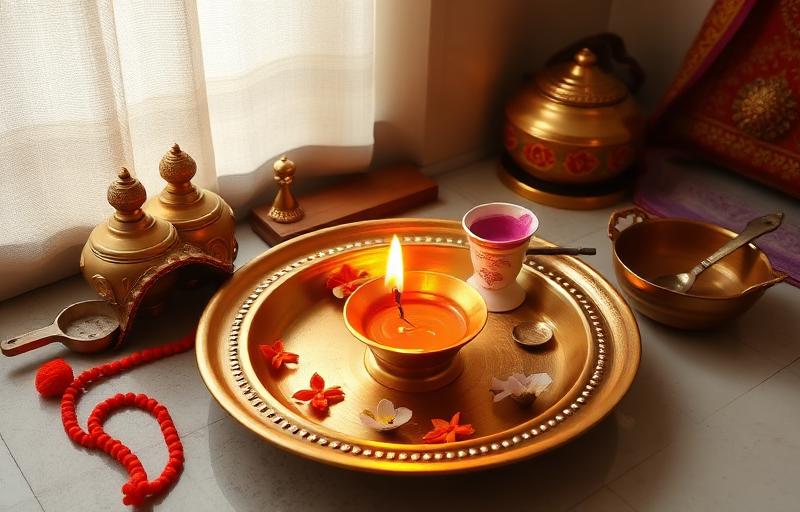
Observe Sharad Purnima with this vidhi: 1. Bathe in the morning; many devotees keep a day-long vrat ending after the evening moon puja. 2. In the evening, clean the puja space and install Maa Lakshmi and Lord Vishnu; in Braj tradition, also worship Radha-Krishna. 3. Offer lotus or other flowers, akshat, kumkum, dhoop and a ghee lamp; present white sweets and naivedya. 4. Cook kheer with devotion and offer it first to the deities. 5. After moonrise, offer arghya to the moon, gaze gently at its light, and place the kheer under the open sky covered with a thin cloth. 6. Keep jagran with Lakshmi aarti, kirtan and mantra jap as late as you can. 7. Next morning, distribute the moon-bathed kheer as prasad to the family.
Mantras and Benefits
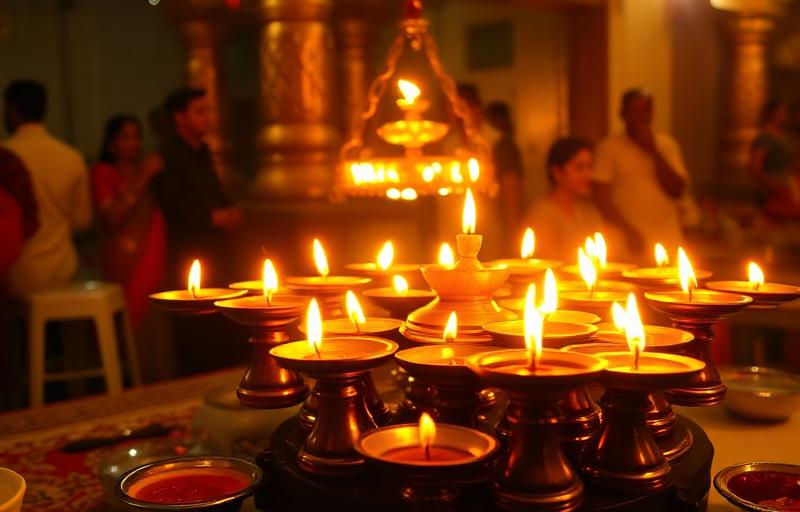
Chant on this night:
Om Shreem Mahalakshmyai Namah - the Lakshmi beej mantra, ideally 108 times.
Om Som Somaya Namah - while offering arghya to the full moon.
Om Kleem Krishnaya Namah - for Krishna bhakti on the night of the Maha-Raas.
Benefits: devotees believe the Kojagari vigil draws Maa Lakshmi's year-long blessings of wealth and abundance, the moon-bathed kheer brings health and cooling strength, gazing at the full moon calms the mind and eyes, and remembering the Maha-Raas deepens pure love for the divine.
Quick Answers
When is Sharad Purnima celebrated?+
Sharad Purnima falls on the full moon of the Ashwin month, after Navratri and Dussehra, usually in October. Confirm the exact date, moonrise and muhurat on the Vandnaa Panchang.
Why is kheer kept in the moonlight on Sharad Purnima?+
On this night the moon is believed to shine with all sixteen kalas and shower amrit through its rays. Kheer kept under the open sky absorbs these healing, cooling qualities and is eaten as prasad the next morning.
What does Kojagari mean?+
Kojagari comes from 'Ko jagarti?' - 'who is awake?'. Maa Lakshmi is believed to roam the earth this night asking this question, blessing with wealth and grace those she finds awake in devotion.
What happened on Sharad Purnima in Vrindavan?+
According to the Bhagavata Purana, Shri Krishna performed the Maha-Raas with the gopis on this full moon night by the Yamuna, multiplying himself so each gopi felt the Lord dancing with her alone.
Is fasting kept on Sharad Purnima?+
Many devotees keep a day-long vrat ending after the evening moon puja, and then keep jagran through the night for Kojagari Lakshmi puja. The vrat is optional; the night vigil and kheer ritual are the heart of the festival.
How should the kheer be kept under the moon?+
After offering it to the deities and the moon, place the kheer on a clean spot under the open sky, covered with a thin muslin cloth or fine mesh so moonlight reaches it while keeping it protected. Take it in as prasad the next morning.
About the author
Pandit Mahesh Trivedi · Festival Traditions & Panchang
Pandit Mahesh leads the festival-date and Panchang content on Vandnaa. He cross-references multiple regional panchangs (Drik, Vaishnava, Bengali, Marathi) for every festival date published on the site.
Meet the Vandnaa editorial team →Explore on Vandnaa
Related Articles
Lakshmi Aarti Lyrics – Om Jai Lakshmi Mata (लक्ष्मी आरती)
8 min read
Lakshmi Chalisa - Lyrics, Meaning, Benefits & Jap Vidhi
9 min read
Sharad Navratri 2026: 9 Days Colors, Puja Vidhi, Vrat Rules & Kanya Pujan Guide
10 min read
Karwa Chauth 2026: Date, Vrat Vidhi, Moon Timing & Complete Katha for Husband's Long Life
10 min read
Krishna Aarti Lyrics in Hindi & English - Aarti Kunj Bihari Ki
9 min read
Indira Ekadashi 2026 - Vrat Katha and Vidhi in Pitru Paksha
10 min read