Why Bhadrapada Is One of the Calendar's Busiest Stretches
Bhadrapada begins right after Shravan ends on 28 August 2026, and it wastes absolutely no time picking up the festival pace from where the previous month left off. Where Shravan is largely a month of Shiva-focused observance, especially Mondays and the many forms of vrat associated with the god throughout the rainy season, Bhadrapada shifts the calendar's attention firmly toward Krishna, Parvati and Ganesha in quick succession, packing five genuinely major observances into roughly three weeks of a single lunar month, an unusually dense concentration even by Hindu calendar standards.
For households and communities alike, this concentration means the usual approach of planning festivals one at a time simply does not work well during Bhadrapada. Shopping, fasting schedules, priest bookings and family travel all need to be viewed across the whole month rather than festival by festival, since several of these observances sit only days apart from each other, sometimes barely a week and occasionally less. Priests, idol makers, decorators and even flower vendors report their single busiest stretch of the entire year falling somewhere within this three-week window, which naturally pushes prices and availability in directions worth planning around rather than discovering too late.
This guide lays out every major pan-Hindu festival in order, so the month can be planned as one single connected stretch rather than five separate surprises arriving one after another. Worth noting upfront: this list covers the major observances independently verified for 2026, but regional and family calendars often include additional local observances layered within the same window, so it remains worth cross-checking against your own family or regional panchang alongside this general list.
Krishna Janmashtami - Friday, 4 September
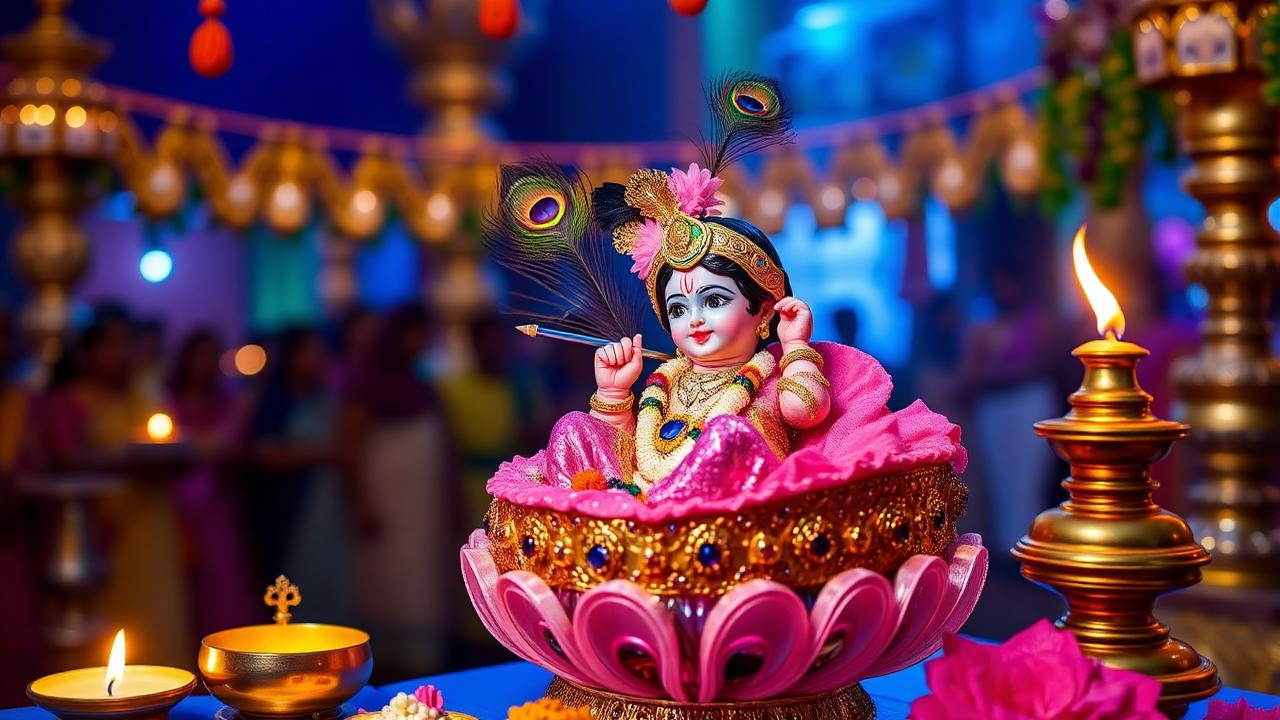
Bhadrapada's festival run opens with Krishna Janmashtami on Friday, 4 September 2026, marking the birth of Lord Krishna on the Ashtami of Bhadrapada Krishna Paksha. Most devotees observe a fast through the entire day, broken only at midnight, the traditional hour of Krishna's birth, following an elaborate midnight aarti and the ceremonial cradling of the infant Krishna idol placed gently in a decorated jhoola for the occasion, surrounded by family and often extended neighbors dropping by.
Households typically decorate a small jhoola and dress the Bal Gopal idol freshly for the day, while temples across the country, and especially in Mathura and Vrindavan, hold night-long celebrations packed with bhajans, dramatic reenactments of Krishna's early life, and readings from the Bhagavad Gita that run well past midnight. ISKCON temples worldwide are also known for particularly elaborate Janmashtami programs, drawing large crowds of devotees who may not otherwise visit through the rest of the year, making this one of the more visible entry points into Krishna devotion for newer or younger devotees.
Since this is the earliest festival in the month, it also functions as a genuinely practical planning cue for everything that follows. Once Janmashtami passes, the next three weeks arrive quickly and without much of a pause, so this is a natural point in the calendar to start actively preparing for the observances that follow rather than waiting until each one is nearly upon the household. With 4 September being a Friday this particular year, many families conveniently extend their celebrations into the weekend, giving slightly more room for elaborate midnight programs than a weekday observance would typically allow around work and school schedules.
Hartalika Teej - Sunday, 13 September (City-Dependent)
Nine days after Janmashtami, Hartalika Teej falls primarily on Sunday, 13 September 2026, on the Tritiya tithi of Bhadrapada Shukla Paksha. Some cities and panchangs, due to local sunrise-based tithi calculations that shift slightly with geography, observe it a day later on Monday, 14 September, which happens to coincide directly with Ganesh Chaturthi that year, so confirming your local date matters considerably more for this specific festival than for most others falling within the month.
Hartalika Teej commemorates Goddess Parvati's penance to win Lord Shiva as her husband, and is observed by married women, along with many unmarried girls hoping for a compatible future partner, through a strict nirjala (waterless) fast, elaborate solah shringar prepared the evening before, and a night largely spent awake in prayer and bhajans together with other women of the family or neighborhood. It is widely considered one of the more physically demanding vrats of the entire year, requiring real preparation rather than being approached casually the way some lighter fasts might be.
Given how close it falls to Ganesh Chaturthi in 2026, households observing both should plan the surrounding week carefully rather than treating each festival as an isolated event requiring its own separate scramble. Markets selling shringar items, mehendi services and puja samagri see a sharp spike in demand in the days immediately before the 13th, so shopping and mehendi bookings completed even a week early make the actual day noticeably calmer for everyone in the household involved, rather than adding to an already demanding week of preparation and fasting.
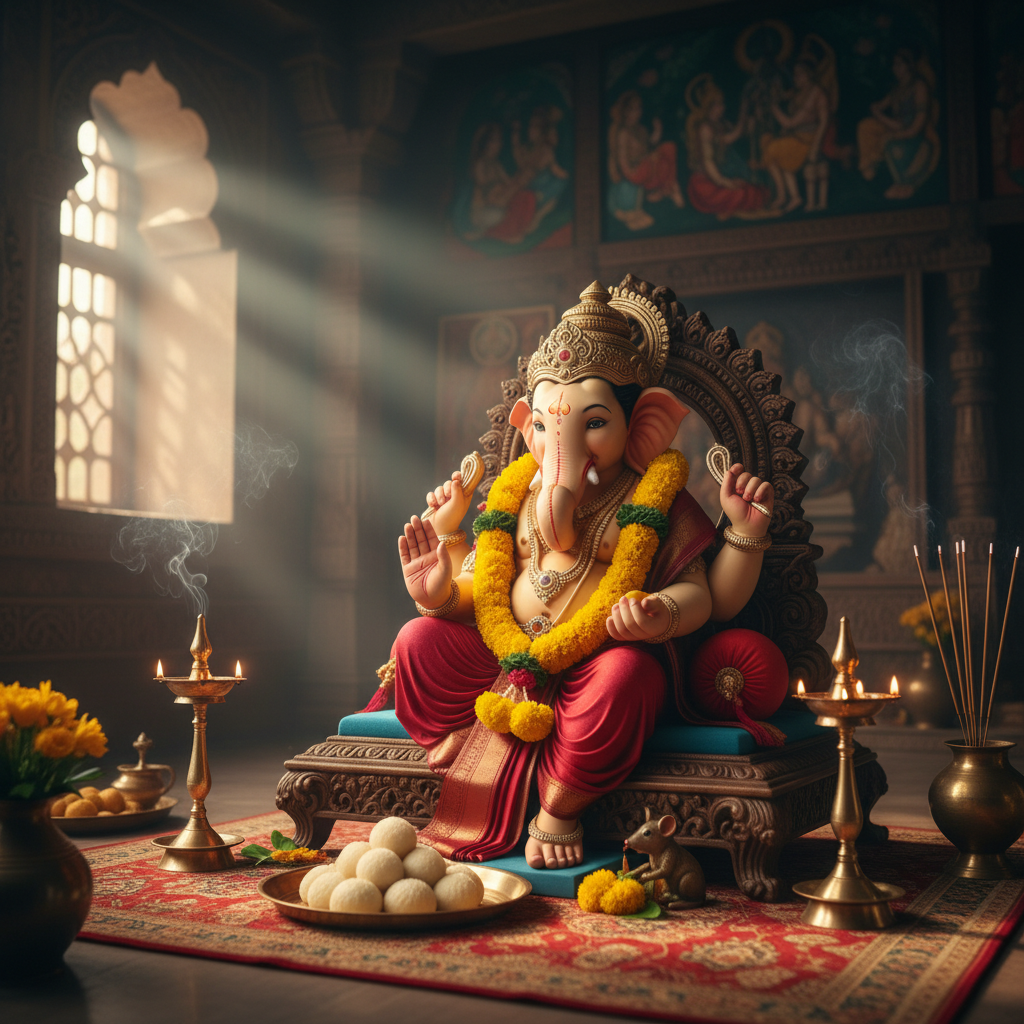
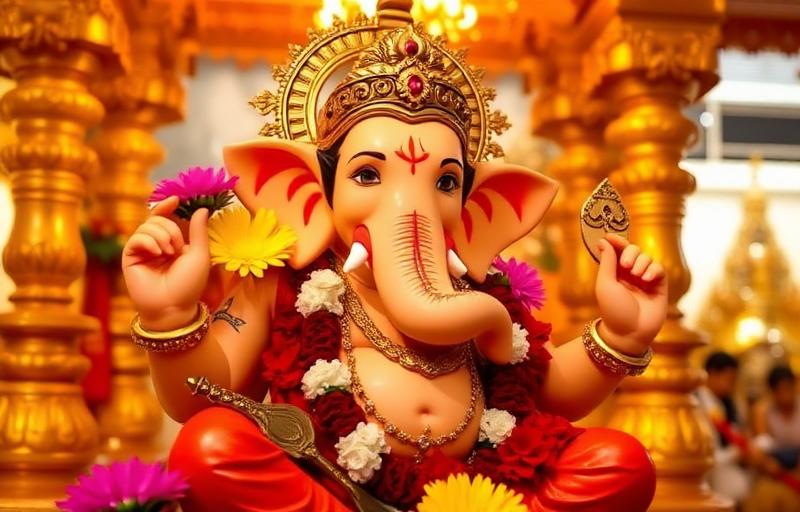
Ganesh Chaturthi - Monday, 14 September
Immediately following Hartalika Teej, Ganesh Chaturthi sthapana falls on Monday, 14 September 2026, opening the ten-day Ganeshotsav that continues, for those observing the full duration, until Anant Chaturdashi around 23 September. This is one of the most widely and enthusiastically celebrated festivals across the entire Hindu calendar, marking Lord Ganesha's birth and observed through home sthapana, elaborate community pandals in nearly every city and town, daily aartis packed with singing and dancing, and, ultimately, a large public visarjan procession at the close.
Families choose durations ranging anywhere from one and a half days to the complete ten, based largely on family tradition, available time and how much of the household is around to manage daily rituals. 2026's proximity to Hartalika Teej makes early booking of idols and priests especially important this particular year, since demand for both festivals converges sharply on the same narrow window in early-to-mid September, leaving idol makers and pandits stretched thin if approached only in the final week.
Community pandals, often the most visible and photographed expression of this festival, typically run the full ten-day cycle with daily public programs, cultural performances and prasad distribution open to anyone who wants to attend, regardless of neighborhood or background. Maharashtra, Karnataka, Andhra Pradesh, Telangana and parts of Gujarat see especially large-scale public celebrations every single year, though the festival's home-based version, quieter and more intimate, is observed with equal sincerity by families across virtually every state in the country today, from small city apartments to sprawling joint-family homes alike.
Radha Ashtami - Saturday, 19 September
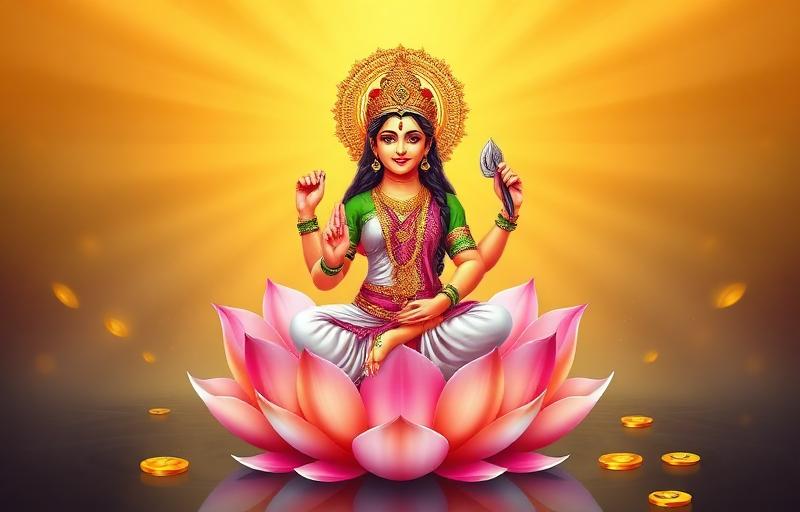
Five days after Ganesh Chaturthi, Radha Ashtami falls on Saturday, 19 September 2026, exactly fifteen days after Janmashtami, on the Ashtami tithi of Bhadrapada Shukla Paksha. This day celebrates Radha's appearance and is marked by a puja that, distinctively and unlike most everyday Krishna worship, honors Radha before Krishna in the actual sequence of the ritual, along with a fast that many devotees observe until midday rather than the midnight breaking point associated with Janmashtami earlier in the month.
Because it falls on a Saturday this particular year, Radha Ashtami is relatively convenient for family and community temple visits compared to a weekday observance that would compete directly with work and school schedules across the household. Barsana, Radha's traditional birthplace in the Braj region, hosts especially elaborate multi-day celebrations around this date, drawing devotees from well beyond the immediate region for processions and temple decoration on a scale rarely seen outside major festivals.
It arrives while many households are still in the middle of an active ten-day Ganeshotsav, with daily Ganpati aarti already part of the household routine, so most families keep this particular day's puja relatively simple and centered on home worship rather than adding another fully elaborate celebration on top of an already busy, ongoing festival season. This layering is genuinely worth planning for in advance, since trying to give both observances full elaborate treatment in the same week tends to leave everyone in the household quietly exhausted by the time Radha Ashtami actually arrives on the calendar.
Ganesh Visarjan and Anant Chaturdashi - Around 23 September
Bhadrapada's festival-heavy stretch closes with Ganesh Visarjan on Anant Chaturdashi, falling around 23 September 2026, typically the tenth day after the 14 September sthapana for those households and pandals observing the full Ganeshotsav cycle from start to finish. Panchangs can place the exact tithi transition a day either side of this estimate, so it is genuinely worth confirming the precise date locally rather than treating it as fixed to a single universal day across every region and tradition.
This closing day sees the largest community processions of the entire month by a wide margin, with idols carried in often massive public gatherings toward rivers, lakes, the sea, or designated artificial immersion tanks set up specifically for the occasion, accompanied throughout by drumming, dancing and the repeated chant of Ganpati Bappa Morya echoing through streets. Mumbai's immersion processions alone are known to stretch through the entire night in some years, with visarjan for the very largest, most famous public idols sometimes continuing well past sunrise the following morning.
For households that chose shorter sthapana durations earlier in the month, one and a half, three, five or seven days, their own visarjan will have already taken place quietly on an earlier date within September, but Anant Chaturdashi remains the single day most cities see the overwhelming bulk of visarjan activity, celebration and accompanying traffic. With this day, Bhadrapada's unusually demanding five-festival stretch finally comes to a close, and the following weeks return to a comparatively quiet calendar until the next major observance later in the autumn season.
📅 Vandnaa's panchang lays out every one of these dates for your specific city, from Janmashtami through visarjan, so the whole month can be planned at a glance instead of checked festival by festival.
What People Ask Most
What is the first major festival in Bhadrapada 2026?+
Krishna Janmashtami, falling on Friday, 4 September 2026, opens the month's major festival run.
How many major festivals fall in Bhadrapada 2026?+
Five major pan-Hindu observances fall in this window: Krishna Janmashtami, Hartalika Teej, Ganesh Chaturthi, Radha Ashtami and Ganesh Visarjan on Anant Chaturdashi.
Why do Hartalika Teej dates vary by city in 2026?+
Tithi timing is calculated from local sunrise, so in some cities the Tritiya tithi is present at sunrise on 13 September and in others only from 14 September, shifting the observed date.
How many days apart are Janmashtami and Radha Ashtami?+
Exactly fifteen days, since both fall on Ashtami tithi, Janmashtami in Krishna Paksha and Radha Ashtami in the following Shukla Paksha.
Is the Ganesh Visarjan date on 23 September fixed for every household?+
No, that date applies to households and pandals observing the full ten-day Ganeshotsav ending on Anant Chaturdashi. Families with shorter sthapana durations immerse the idol earlier in the month.
About the author
Pandit Mahesh Trivedi · Festival Traditions & Panchang
Pandit Mahesh leads the festival-date and Panchang content on Vandnaa. He cross-references multiple regional panchangs (Drik, Vaishnava, Bengali, Marathi) for every festival date published on the site.
Meet the Vandnaa editorial team →