Where Is Bhimashankar
Bhimashankar is the sixth Jyotirlinga, located in the Sahyadri (Western Ghats) of Maharashtra, about 110 km from Pune in the Khed taluka. It sits amid dense, misty forests that form the Bhimashankar Wildlife Sanctuary, home to the rare Indian giant squirrel. The temple is revered as the source of the Bhima river, which rises here and flows south-east to join the Krishna. Its remote, green setting makes the darshan as much a journey through nature as a spiritual pilgrimage.
The Deity and the Linga
Here Lord Shiva is worshipped as Bhimashankar, the lord who took on the mighty form of Bhima to destroy a demon. The swayambhu (self-manifested) linga is broad and thick, which is why some call it Moteshwar Mahadev - the 'large lord'. The temple is built in the Nagara style of stone architecture, with later additions in the Hemadpanthi fashion. Devotees see in this linga the fierce yet protective aspect of Shiva who rises to defend his bhaktas.
The Legend of Tripurasura
According to the Shiva Purana, a powerful demon named Bhima (or Tripurasura in some tellings), the son of Kumbhakarna, terrorised the gods and sages and forbade the worship of Shiva. When his cruelty reached its peak and he attacked a devout king mid-worship, Lord Shiva emerged from the linga in a fearsome form and reduced the demon to ashes. At the prayer of the gods, Shiva agreed to remain here as a Jyotirlinga, and the sweat of the battle is said to have formed the Bhima river.
What Makes Bhimashankar Special

Bhimashankar is one of the few Jyotirlingas set deep in a forested mountain sanctuary, so the pilgrimage blends devotion with the beauty of waterfalls, peaks and ancient trees. It is the origin of the Bhima river, a sacred lifeline of the Deccan. The temple complex holds an old Nandi, a bell gifted in the 18th century and the nearby Mokshakund and Gupt Bhimashankar spots. The cool, mist-wrapped climate and dense greenery give the whole site a rare, peaceful sanctity.
Darshan and Yatra Tips
The temple usually opens around 4:30 am for Kakad aarti and remains open through the day until evening aarti, closing by about 9:30 pm; confirm timings during festivals. The nearest railhead and airport are at Pune, from where road and bus services reach the temple. From the main road, a series of stone steps lead down to the shrine, so wear comfortable footwear. The best season is after the monsoon (October to February) when the forest is lush but the paths are dry and safe.
The Shiva Mantra to Chant
Before darshan, devotees chant the simple and powerful five-syllable mantra:
Om Namah Shivaya
Many also recite the Maha Mrityunjaya Mantra for health and protection:
Om Tryambakam Yajamahe Sugandhim Pushtivardhanam. Urvarukamiva Bandhanan Mrityor Mukshiya Maamritat.
Offer bel patra, water and white flowers to the linga while chanting with a calm, devoted mind.
Festivals at Bhimashankar
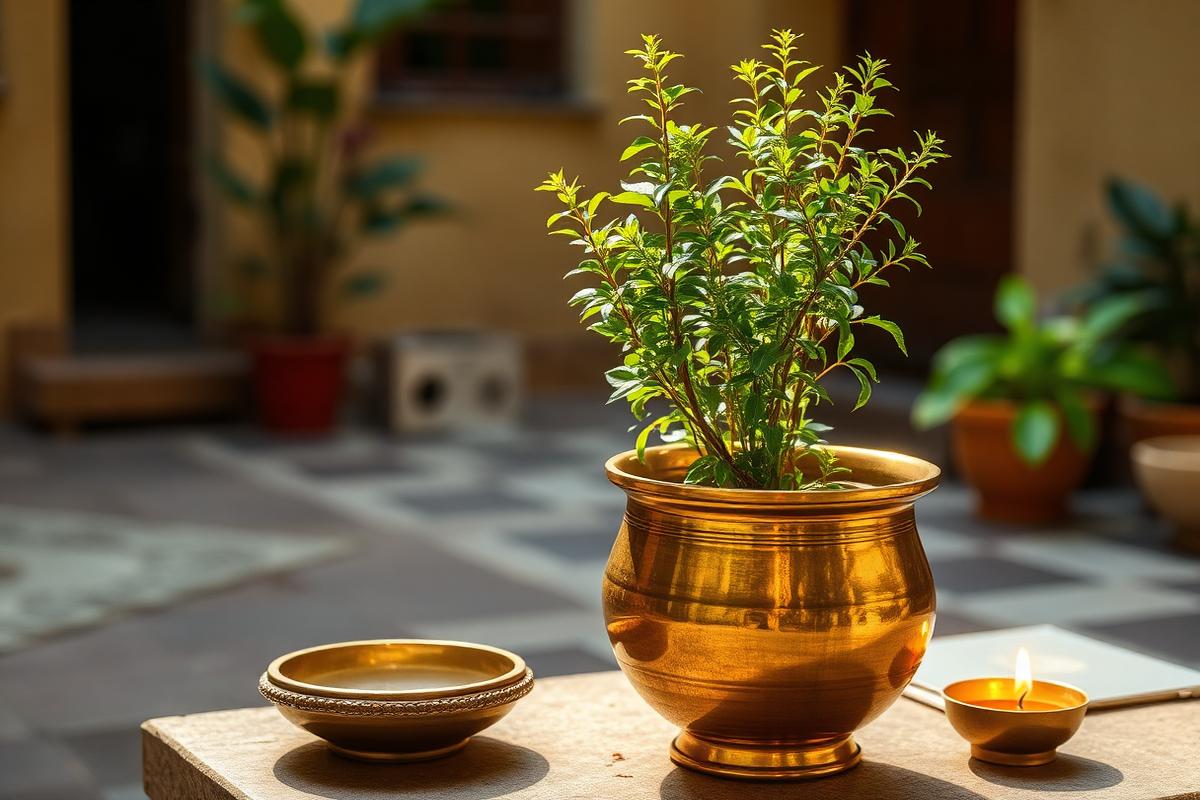
Maha Shivratri is the grandest festival here, drawing huge crowds for night-long worship and abhishek. The holy month of Shravan sees a continuous stream of devotees offering water and bel patra. Kartik Purnima and Tripuri Purnima are also marked with special pujas and lamp-lighting, recalling the demon Tripurasura's destruction. During these days the forest temple glows with diyas and echoes with the chant of 'Har Har Mahadev'.
Quick Answers
Where is the Bhimashankar Jyotirlinga located?+
Bhimashankar is the sixth Jyotirlinga, set in the Sahyadri hills of Maharashtra about 110 km from Pune. It lies inside a forested wildlife sanctuary and is the source of the Bhima river.
Why is it called Bhimashankar?+
It is named after the demon Bhima whom Shiva destroyed here in a mighty form. The sweat of that battle is said to have formed the Bhima river, and Shiva remained as the Bhimashankar Jyotirlinga.
What is the best time to visit Bhimashankar?+
October to February, just after the monsoon, is ideal when the forest is green but the paths are dry and safe. Maha Shivratri and the month of Shravan are the most spiritually charged times.
How do you reach the Bhimashankar temple?+
The nearest railhead and airport are at Pune, about 110 km away, connected by road and regular buses. From the main road, a flight of stone steps leads down to the shrine, so comfortable footwear is recommended.
What should you offer at Bhimashankar?+
Devotees offer water, bel patra, white flowers and milk to the linga while chanting 'Om Namah Shivaya'. Many also recite the Maha Mrityunjaya Mantra for health and protection.
Which festivals are celebrated at Bhimashankar?+
Maha Shivratri is the grandest, with night-long worship. The month of Shravan, Kartik Purnima and Tripuri Purnima are also marked with special pujas and the lighting of lamps across the temple.
About the author
Pandit Ravindra Sharma · Vedic Rituals & Bhakti, 22+ years
Pandit Ravindra is the Vandnaa editorial team's resident specialist on aarti, chalisa, and daily devotion. He has performed home and temple pujas across Varanasi and Delhi for over two decades and contributes the bhakti-focused articles on this site.
Meet the Vandnaa editorial team →Explore on Vandnaa
Related Articles
Trimbakeshwar Jyotirlinga - Significance & Darshan
10 min read
Grishneshwar Jyotirlinga - Significance & Darshan
9 min read
12 Jyotirlinga - Complete List, Names, Locations, Significance + Yatra Guide
10 min read
Mahakaleshwar Ujjain - Bhasma Aarti, Significance & Darshan Guide
9 min read
Om Namah Shivaya Mantra Benefits & Meaning (ॐ नमः शिवाय)
9 min read
Maha Mrityunjaya Mantra: Meaning & Benefits (महा मृत्युंजय मंत्र)
9 min read