Where Is Grishneshwar
Grishneshwar (also called Ghrishneshwar or Ghushmeshwar) is the Jyotirlinga located at the village of Verul near the Ellora caves, about 30 km from Aurangabad (Chhatrapati Sambhajinagar) in Maharashtra. It is celebrated as the twelfth and last of the twelve Jyotirlingas, so a Jyotirlinga yatra is often considered complete only after darshan here. The present temple is a beautiful red stone structure rebuilt in the 18th century by Ahilyabai Holkar, the queen of Indore.
The Linga and the Temple
Here Shiva is worshipped as Grishneshwar, the lord who appeared through the love and faith of his devotee Ghushma. The temple is famed for its intricately carved red basalt stone walls, pillars and sculptures of gods and goddesses, reflecting the artistry of the same region that produced the rock-cut Ellora caves. The sanctum is reached through a finely worked sabhamandap (hall). Tradition asks male devotees to enter the inner sanctum bare-chested, as in several old Maharashtra temples.
The Legend of Ghushma
The most loved katha tells of a devout woman named Ghushma, who lovingly worshipped Shiva by making and immersing 101 clay lingas in a tank each day. Blessed with a son, she faced tragedy when her jealous elder sister killed the boy and threw him into the same tank. Ghushma, unwavering in faith, continued her worship without anger, and Lord Shiva, moved by her devotion, restored her son to life. At her prayer, Shiva remained here as a Jyotirlinga, named Grishneshwar after Ghushma.
What Makes Grishneshwar Special
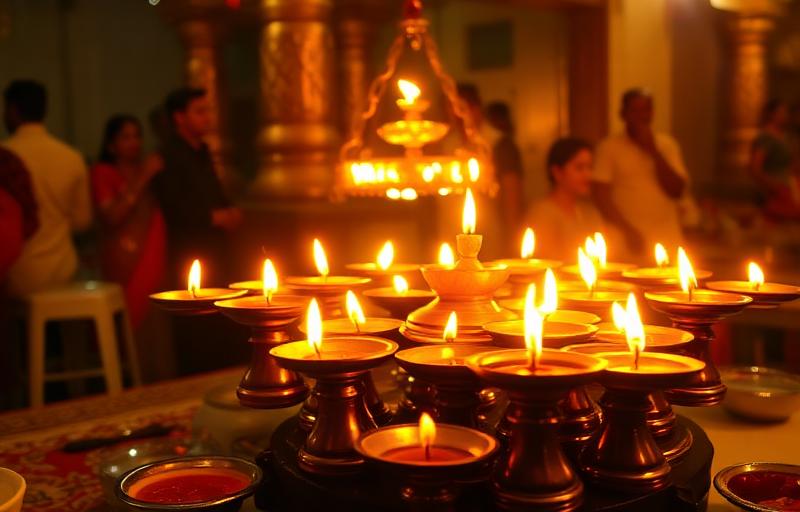
As the last (twelfth) Jyotirlinga, Grishneshwar holds a special place for pilgrims completing the full circuit of Shiva's twelve shrines. Its katha is a powerful lesson in unshakeable faith, forgiveness and the power of selfless devotion over anger and grief. The temple's nearness to the UNESCO World Heritage Ellora caves and the Daulatabad fort lets devotees pair deep spirituality with India's great heritage in a single visit, making it one of the most rewarding stops on a Jyotirlinga yatra.
Darshan and Yatra Tips
The temple generally opens around 5:30 am and offers darshan through the day until about 9:30 pm, with morning and evening aartis; confirm timings during festivals. The nearest city is Aurangabad (Chhatrapati Sambhajinagar), about 30 km away, which has rail and air connections, with regular buses and taxis to Verul. Plan the visit alongside the Ellora caves, which are right beside the temple. Mobile phones and cameras are usually not allowed inside the sanctum, so check the rules at the entrance.
The Shiva Mantra to Chant
Devotees chant the eternal five-syllable mantra during darshan:
Om Namah Shivaya
Reflecting the temple's theme of faith over grief, many also recite the Maha Mrityunjaya Mantra for protection and life:
Om Tryambakam Yajamahe Sugandhim Pushtivardhanam. Urvarukamiva Bandhanan Mrityor Mukshiya Maamritat.
Offer water, bel patra and flowers with a calm, surrendered heart, remembering Ghushma's example of steady devotion.
Festivals at Grishneshwar

Maha Shivratri is the grandest festival, when the temple is beautifully decorated and devotees keep night vigils with abhishek and bhajans. The holy month of Shravan brings a steady flow of worshippers offering water and bel patra, with Mondays especially crowded. Kartik Purnima and Tripuri Purnima are also observed with lamps and special pujas. The temple's serene yet festive atmosphere on these days draws pilgrims completing their Jyotirlinga journeys.
Reader Questions Answered
Where is the Grishneshwar Jyotirlinga located?+
Grishneshwar is at Verul near the Ellora caves, about 30 km from Aurangabad (Chhatrapati Sambhajinagar) in Maharashtra. It is the twelfth and last of the twelve Jyotirlingas.
Why is Grishneshwar called the last Jyotirlinga?+
Grishneshwar is traditionally counted as the twelfth and final of the twelve Jyotirlingas, so a full Jyotirlinga yatra is often considered complete only after darshan here.
What is the legend of Ghushma?+
Ghushma, a devout woman, worshipped Shiva with 101 clay lingas daily. When her jealous sister killed her son, Ghushma kept worshipping without anger, and Shiva, moved by her faith, restored her son and remained here as Grishneshwar.
Can Grishneshwar be visited with the Ellora caves?+
Yes. The temple stands right beside the UNESCO World Heritage Ellora caves and is close to Daulatabad fort, so pilgrims often combine spirituality and heritage in a single visit.
Are there any special rules for darshan at Grishneshwar?+
By tradition, male devotees may be asked to enter the inner sanctum bare-chested, as in several old Maharashtra temples. Mobile phones and cameras are usually not allowed inside, so check the rules at the entrance.
Which festivals are celebrated at Grishneshwar?+
Maha Shivratri is the grandest, with night vigils and abhishek. The month of Shravan, Kartik Purnima and Tripuri Purnima are also observed with lamps and special pujas, drawing pilgrims completing their Jyotirlinga journeys.
About the author
Pandit Ravindra Sharma · Vedic Rituals & Bhakti, 22+ years
Pandit Ravindra is the Vandnaa editorial team's resident specialist on aarti, chalisa, and daily devotion. He has performed home and temple pujas across Varanasi and Delhi for over two decades and contributes the bhakti-focused articles on this site.
Meet the Vandnaa editorial team →Explore on Vandnaa
Related Articles
Bhimashankar Jyotirlinga - Significance & Darshan
9 min read
Trimbakeshwar Jyotirlinga - Significance & Darshan
10 min read
Nageshwar Jyotirlinga - Significance & Darshan
9 min read
12 Jyotirlinga - Complete List, Names, Locations, Significance + Yatra Guide
10 min read
Om Namah Shivaya Mantra Benefits & Meaning (ॐ नमः शिवाय)
9 min read
Maha Mrityunjaya Mantra: Meaning & Benefits (महा मृत्युंजय मंत्र)
9 min read