What is Bhoomi Pujan and Why It Matters
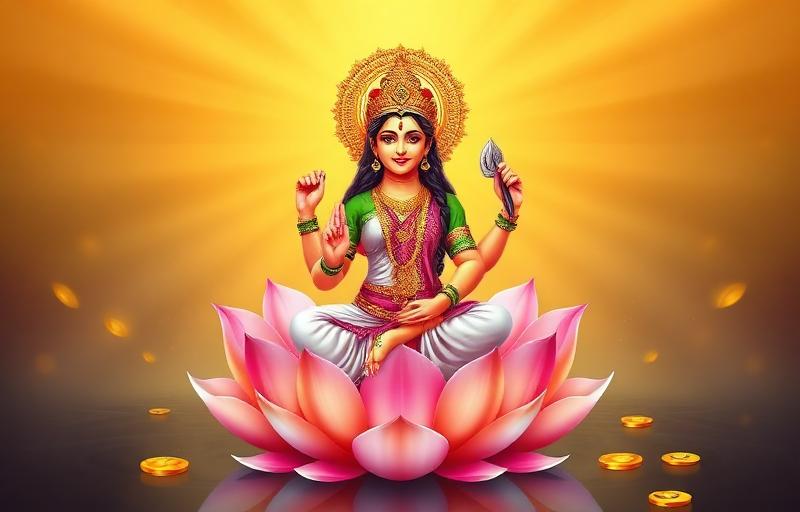
Bhoomi Pujan is the sacred ceremony performed before any construction begins on a plot of land, whether a home, a shop or a larger building. In the Hindu vision, the earth is not inert ground but Bhumi Devi, the mother goddess who bears all beings with infinite patience. Digging into her body for foundations is a disturbance, however necessary, and so the tradition asks us first to seek her permission, blessings and forgiveness. The ritual also honours the unseen life of the land, the insects, creatures and subtle beings displaced by construction, praying that no harm done unknowingly should burden the household. Beyond reverence, Bhoomi Pujan carries a practical wisdom, it gathers the family, the builders and the community at the site in a spirit of humility and shared sankalp, so that the structure rising from that ground begins its life rooted in gratitude rather than mere acquisition.
The Vastu Purush - The Spirit of the Site
The tradition speaks of the Vastu Purush, the presiding spirit of every built site. The Puranic account tells of a formless being who grew so vast that the devas pressed him down to the earth, face downward, with deities seated on every part of his body. Brahma blessed him to be the guardian of all structures, receiving worship before construction and granting peace to those who honour him. This is why traditional building rituals include the Vastu Purush Mandala, the symbolic diagram aligning the home with the directions, and why Bhoomi Pujan includes prayers to the Vastu Purush along with Bhumi Devi. The framing here is devotional rather than technical, the tradition's invitation is simply to acknowledge that a home stands within a living order larger than ourselves. Families who wish to follow detailed vastu placement may consult their purohit, while the essential prayer remains the same, may this dwelling rest gently and auspiciously upon the earth.
When is Bhoomi Pujan Performed
Bhoomi Pujan is performed before any digging or foundation work begins, ideally as the very first act on the land after it is cleared and cleaned. The tradition favours auspicious occasions for it, Akshaya Tritiya, whose merit never diminishes, Vijayadashami, Basant Panchami, Gudi Padwa and the bright fortnights (shukla paksha) of favourable months. Mornings are preferred, especially the early brahma muhurat to mid-morning window, when the energies of the day are fresh. Periods traditionally avoided include Kharmas, when the Sun transits Sagittarius or Pisces and new beginnings are paused, Pitru Paksha, the Shraddh fortnight devoted to ancestors, eclipse days, and the Holashtak days before Holi in northern traditions. Rather than anxiety over dates, the tradition asks for simple care, choose a shubh muhurat from the Vandnaa Panchang, confirm with your purohit if you wish, and proceed with a settled, devoted heart, which the elders call the truest muhurat of all.
What Families Should Prepare

A little preparation makes the ceremony flow smoothly. 1. Clean the site - Clear the plot of debris and mark the spot for the puja, traditionally the north-east corner (ishan kon) of the land. 2. Samagri - Arrange a kalash, coconut, mango leaves, supari, haldi-kumkum, akshat, flowers, dhoop, diya, ghee, camphor, panchamrit (milk, curd, ghee, honey, sugar), fruits, sweets, kusha grass and Ganga jal. 3. The silver nag-naagin pair - A small silver pair of serpent figures, offered into the foundation as a prayer to Sheshnag, who bears the earth, asking the foundation to be as steady as His hood. 4. The first brick or shila - An auspicious foundation stone, often with a swastik marked in kumkum, plus nine types of grains (navadhanya) and small coins to be placed in the foundation pit. 5. People - Invite your purohit in advance, and ensure the couple performing the sankalp can sit together through the ceremony. Keep simple gifts or dakshina ready, and arrange prasad for workers and guests, the builders who will raise your home deserve the first sweets.
Bhoomi Pujan Vidhi - Step by Step
The purohit guides the full ceremony, which traditionally unfolds in these steps. 1. Sankalp - The family, usually the couple, takes the vow stating their names, gotra and the purpose, seeking Bhumi Devi's permission to build. 2. Ganesh puja - Lord Ganesha is invoked first for an obstacle-free construction. 3. Kalash sthapana - A kalash filled with water, supari and coins, crowned with mango leaves and a coconut, is established as the seat of Varuna and all tirthas. 4. Bhumi puja - At the north-east corner, the earth is worshipped with haldi-kumkum, akshat, flowers and panchamrit, and the forgiveness mantra is offered to Bhumi Devi. 5. Nag-naagin offering - The silver serpent pair is placed in the dug pit with milk and flowers, invoking Sheshnag's steadiness. 6. Shilanyas - The first bricks or foundation stone, marked with swastik, are laid in the pit with navadhanya and coins, this is the formal shilanyas, the foundation-laying. 7. Havan - A small fire ceremony with ghee and samagri offerings, closing with aarti, prayers to the Vastu Purush, prasad distribution and seeking the elders' blessings. 8. First dig - The owner turns the first earth with a spade, and only then do the machines begin.
Mantras of Bhoomi Pujan
The most beloved mantra of Bhoomi Pujan is the Bhumi kshama prarthana, the prayer of forgiveness to the earth: समुद्रवसने देवि पर्वतस्तनमण्डले। विष्णुपत्नि नमस्तुभ्यं पादस्पर्शं क्षमस्व मे॥ (Samudra-vasane Devi Parvata-stana-mandale, Vishnupatni Namastubhyam Pada-sparsham Kshamasva Me), O Goddess robed by the oceans, whose bosom is the mountain ranges, consort of Vishnu, I bow to you, forgive me for touching you with my feet. During the puja itself the simple invocation ॐ भूम्यै नमः (Om Bhumyai Namah), salutations to Mother Earth, accompanies each offering. The ceremony opens with the Ganesh mantra, ॐ गं गणपतये नमः (Om Gam Ganapataye Namah), and the havan carries Vedic ahutis offered with svaha. Many purohits add ॐ वास्तुपुरुषाय नमः (Om Vastupurushaya Namah) for the guardian of the site. Even family members who cannot follow the Sanskrit may quietly repeat Om Bhumyai Namah through the ceremony, the tradition assures that the bhav reaches the Devi.
Who Performs the Bhoomi Pujan

The sankalp and the principal offerings belong to the owner of the land, traditionally performed by the husband and wife together, for the home will shelter the whole family and the grihastha tradition treats the couple as one ritual unit. If the owner is single, he or she performs it alone with full right, and a widowed parent, an elder sibling or even an adult child may perform it on the family's behalf. A qualified purohit conducts the ceremony, recites the Vedic mantras and guides each step, though in simpler circumstances a devout family elder may lead a shortened vidhi with the kshama prarthana and basic offerings. The presence of parents and elders is treasured, their blessings on the first stone are considered part of the foundation itself. Builders, architects and workers are warmly included, the tradition regards them as instruments of Vishwakarma, and honouring them at the ceremony invites harmony through the months of construction ahead.
What People Ask Most
Why is a silver nag-naagin pair buried in the foundation?+
The tradition holds that Sheshnag, the thousand-hooded serpent of Lord Vishnu, bears the earth upon his hood. Offering a silver serpent pair into the foundation pit with milk and flowers is a prayer that the foundation may rest as steady and unshakeable as Sheshnag himself, and that the household above it may live in protection and peace.
What is the difference between Bhoomi Pujan and Shilanyas?+
Bhoomi Pujan is the complete ceremony of worshipping the land and seeking Bhumi Devi's blessings before construction. Shilanyas is one step within it, the formal laying of the first foundation stone or bricks, marked with a swastik and placed with navadhanya and coins. In practice the two happen together, the pujan sanctifies the land and the shilanyas begins the building.
Which direction of the plot is the puja performed in?+
The north-east corner, the ishan kon, is the traditional place for Bhoomi Pujan, regarded as the direction of the divine and of water. The kalash is established there, the first worship of the earth is offered there, and many traditions also begin the first dig from the same corner before construction proceeds across the plot.
When should Bhoomi Pujan not be performed?+
The tradition pauses new beginnings during Kharmas, when the Sun transits Sagittarius or Pisces, during Pitru Paksha, on eclipse days and during Holashtak in northern traditions. Auspicious windows like Akshaya Tritiya, Vijayadashami, Basant Panchami and shukla paksha mornings are preferred instead. Check the Vandnaa Panchang for this year's shubh muhurat dates.
Can Bhoomi Pujan be done for a flat or apartment?+
For apartments, the builder typically performs the Bhoomi Pujan for the whole project before construction. Individual flat owners perform Griha Pravesh puja when entering their completed home, which carries the blessings for their own dwelling. If you are buying a plot and building independently, the Bhoomi Pujan described here is performed before your construction begins.
What is the forgiveness mantra chanted to Bhumi Devi?+
The kshama prarthana is: Samudra-vasane Devi Parvata-stana-mandale, Vishnupatni Namastubhyam Pada-sparsham Kshamasva Me. It means, O Goddess robed by the oceans, whose bosom is the mountains, consort of Vishnu, I bow to you, forgive me for touching you with my feet. It is the same verse many devotees recite each morning before stepping out of bed.
About the author
Dr. Suresh Iyer · Vastu Shastra & Jyotish, 18+ years
Dr. Suresh has practiced traditional Vastu and basic Vedic Jyotish for over 18 years across South India. He contributes the Vastu, direction, and home-puja layout guides on Vandnaa.
Meet the Vandnaa editorial team →