Why We Perform Puja for a New Vehicle
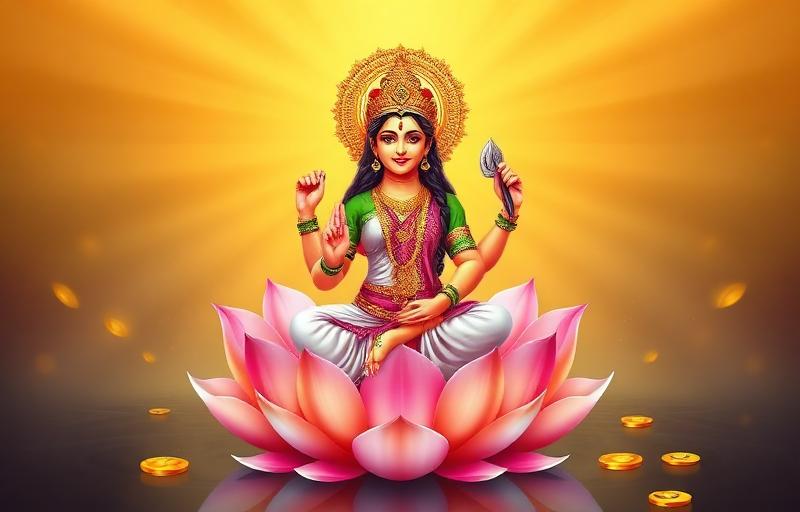
Vahan puja flows from two beautiful instincts of the Hindu heart, gratitude and prayer for protection. A new vehicle is the fruit of years of effort, and before enjoying it, we pause to thank the divine for the blessing of prosperity. At the same time, a vehicle carries our loved ones on roads we cannot fully control, so we entrust every journey to the Lord's care. The tradition connects vehicles and machines to Lord Vishwakarma, the divine architect and engineer of the devas, whose blessing is sought on all tools and instruments of livelihood. Lord Ganesha, the remover of obstacles, is invoked so that every journey begins without vighna, and many families also remember their kuldevta and Hanuman ji, the guardian of travellers. The puja transforms a machine into a trusted companion that is treated with respect, never with carelessness, which itself is the first principle of road safety.
When to Perform Vehicle Puja
The most natural moment is the day of delivery itself. Most showrooms in India keep puja samagri ready, and the first puja is performed before the vehicle is driven home. Beyond delivery day, certain occasions are traditionally favoured for vahan puja. Vijayadashami (Dussehra) is the foremost, when the South Indian tradition of Ayudha Puja honours all tools, instruments and vehicles, and even old vehicles receive a fresh puja, garlands and swastik marks. Dhanteras, the first day of Diwali, is among the most popular days to bring home a new vehicle, combining the purchase with Lakshmi's blessing. Vishwakarma Puja (usually 17 September) is the special day for vehicles in eastern India. Auspicious days like Akshaya Tritiya, Navratri and one's own birthday by tithi are also chosen. For the right muhurat and to avoid inauspicious periods, check the Vandnaa Panchang before fixing the delivery date.
Samagri You Will Need
Gather these simple items before the puja, most showrooms and homes will already have them. 1. Haldi and kumkum - for the tilak and swastik marks. 2. Kalava (mauli) - the sacred red thread to tie on the steering wheel or handlebar. 3. A coconut - to break before the first drive, with some traditions waving it around the vehicle first. 4. Four lemons - one for under each wheel of a car, or one each for the two wheels of a bike. 5. Fresh flowers and a garland - marigold garlands for the bonnet and mirrors. 6. Rice grains (akshat), incense, camphor and a diya - for the aarti. 7. Sweets - laddoo, peda or any sattvik sweet for naivedya and distribution. 8. Ganga jal - to sprinkle and purify the vehicle. A small murti or photo of Ganesha is welcome but not essential, the Lord is invoked through the mantra itself.
Vehicle Puja Vidhi - Step by Step

Perform the puja in the morning or at the muhurat, with the vehicle washed and parked facing east or north if possible. 1. Purify - Sprinkle Ganga jal over the vehicle while remembering your ishta devta. 2. Invoke Ganesha - Offer flowers and akshat at the front of the vehicle chanting the Ganesh mantra, praying for obstacle-free journeys. 3. Draw the swastik - With kumkum or haldi-kumkum paste, draw a swastik on the bonnet, and small tilaks on the steering wheel, dashboard and number plates. 4. Tie the kalava - Tie the sacred red thread on the steering wheel, handlebar or rear-view mirror stem. 5. Offer flowers and garland - Garland the bonnet and place flowers inside near the dashboard. 6. Aarti - Light the diya and camphor, and perform aarti of the vehicle in clockwise circles, then offer the sweet as naivedya. 7. Coconut and lemons - Break the coconut in front of the vehicle, then place the lemons before the wheels and drive slowly forward so the wheels crush them, symbolically absorbing obstacles and ill luck. 8. First drive - Take a short first drive, traditionally towards a temple, and distribute the prasad.
Mantras for Vehicle Puja
Three mantras are traditionally chanted during vahan puja. First, the Ganesh mantra: ॐ गं गणपतये नमः (Om Gam Ganapataye Namah), salutations to Lord Ganapati, chanted 11 or 21 times while offering flowers, seeking removal of all obstacles from every journey. Second, the Gayatri mantra: ॐ भूर्भुवः स्वः तत्सवितुर्वरेण्यं भर्गो देवस्य धीमहि धियो यो नः प्रचोदयात् (Om Bhur Bhuvah Svah Tat Savitur Varenyam Bhargo Devasya Dhimahi Dhiyo Yo Nah Prachodayat), we meditate on the radiant glory of the divine Sun, may He illumine our intellect, chanted to invoke clarity and alertness for the driver. Many families add a prayer to Vishwakarma: ॐ विश्वकर्मणे नमः (Om Vishwakarmane Namah), salutations to the divine architect, honouring the maker of all machines. End the puja with a simple heartfelt prayer that everyone who travels in the vehicle returns home safe.
Do's and Don'ts of Vehicle Puja
Do keep the vehicle clean before and after the puja, cleanliness is itself a form of respect. Do perform the puja with the whole family present, the vehicle will serve everyone. Do let the lemons be crushed fully by the wheels, and dispose of the remains respectfully away from footpaths. Do keep a small idol or image of your ishta devta or Hanuman ji in the vehicle if it deepens your sense of protection. Don't treat the puja as a substitute for seat belts, helmets and careful driving, the tradition asks us to act responsibly and then surrender what is beyond us. Don't leave the kalava until it frays into the steering mechanism, replace it respectfully when worn. Don't perform the first puja during an eclipse or an inauspicious period, and don't let the coconut or prasad go to waste, share it with those around you, including the showroom staff who served you.
Regional Variations of Vahan Puja
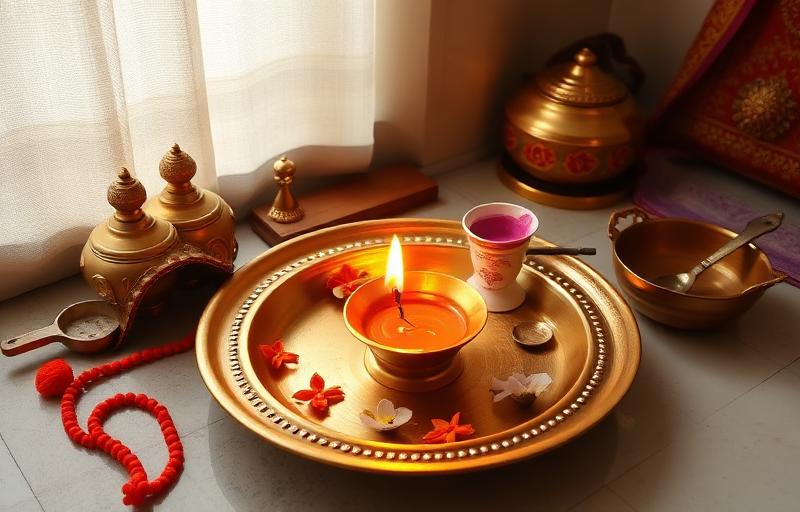
The heart of the ritual is the same across India, but its colours change beautifully by region. In South India, Ayudha Puja during Navratri is the great day for vehicles, when cars, buses, autos and even factory machines are washed, decorated with banana leaves, sandalwood paste and vibhuti, and pumpkins are smashed before them as a protective offering. In Maharashtra, vehicles join the Dussehra puja with marigold torans and the exchange of apta leaves. In Bengal and the East, Vishwakarma Puja in September is the principal day, when drivers decorate their vehicles and pandals come up in transport yards. In North India, the showroom puja with swastik, kalava and lemons under the wheels is the common form, with Dhanteras the favourite delivery day. In Gujarat and Rajasthan, families often drive the new vehicle first to their kuldevi temple. Every variation expresses the same prayer, gratitude for the blessing and protection on every road.
What People Ask Most
Why are lemons placed under the wheels of a new vehicle?+
The lemon is traditionally regarded as an absorber of negativity and drishti (the evil eye). Placing a lemon before each wheel and letting the vehicle crush it as it moves forward symbolises the destruction of obstacles and ill luck before the very first journey. It is a prayer in action, asking that anything inauspicious be crushed at the start itself.
Which mantra should be chanted during new vehicle puja?+
The primary mantra is the Ganesh mantra, Om Gam Ganapataye Namah, chanted 11 or 21 times for obstacle-free journeys. The Gayatri mantra is chanted for the driver's alertness and clarity, and Om Vishwakarmane Namah honours the divine architect of all machines. A heartfelt prayer for the safety of every traveller completes the puja.
What is the best day to buy and do puja of a new vehicle?+
Dhanteras, Vijayadashami (Dussehra), Akshaya Tritiya, Navratri days and Vishwakarma Puja are traditionally the most favoured. Many families also choose an auspicious weekday or their birth tithi. The delivery day itself is always suitable for the first puja. Check the Vandnaa Panchang for this year's muhurat dates and to avoid inauspicious periods.
Can I do the vehicle puja myself without a pandit?+
Yes. Vahan puja is a simple griha ritual that any family member can perform with devotion. Sprinkle Ganga jal, draw the swastik with kumkum, tie the kalava, offer flowers, chant the Ganesh mantra, perform aarti, break the coconut and crush the lemons under the wheels. A pandit may be invited for an elaborate puja, but sincerity matters more than scale.
What should be done with the coconut after breaking it?+
The broken coconut becomes prasad. Distribute its pieces among family members, those present at the puja and the showroom staff. Some traditions first wave the coconut around the vehicle in clockwise circles to absorb any drishti before breaking it. The coconut should never be thrown away as waste, it carries the blessing of the offering.
Should an old vehicle also receive puja every year?+
Yes, the tradition encourages it. On Vijayadashami or Ayudha Puja, and on Vishwakarma Puja in the East, families wash and decorate their existing vehicles, renew the swastik and kalava, and perform aarti with gratitude for the year of safe journeys. It is also a gentle yearly reminder to service the vehicle and renew one's commitment to careful driving.
About the author
Acharya Vinaya Kapoor · M.A. Sanskrit, Mantra & Stotra Studies
Acharya Vinaya holds an M.A. in Sanskrit from Banaras Hindu University and writes the mantra and stotra commentary on Vandnaa. Her focus is on accurate pronunciation, traditional context, and helping modern readers connect with classical texts.
Meet the Vandnaa editorial team →