What Is the Bhu Suktam?
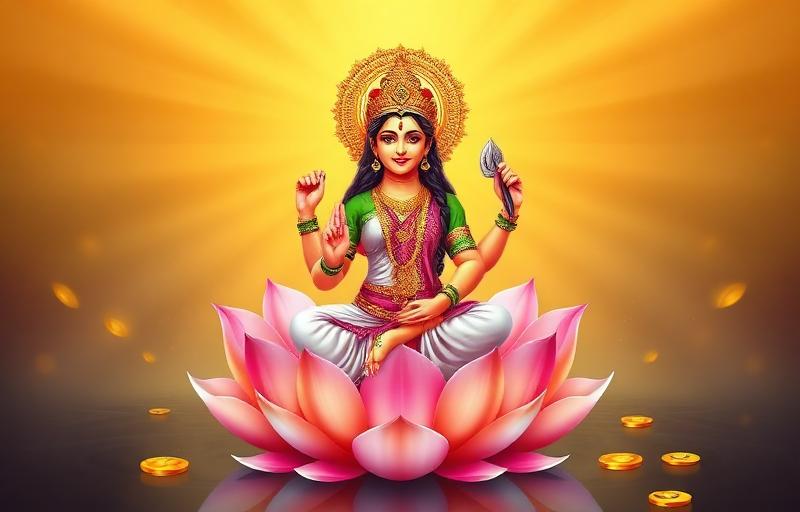
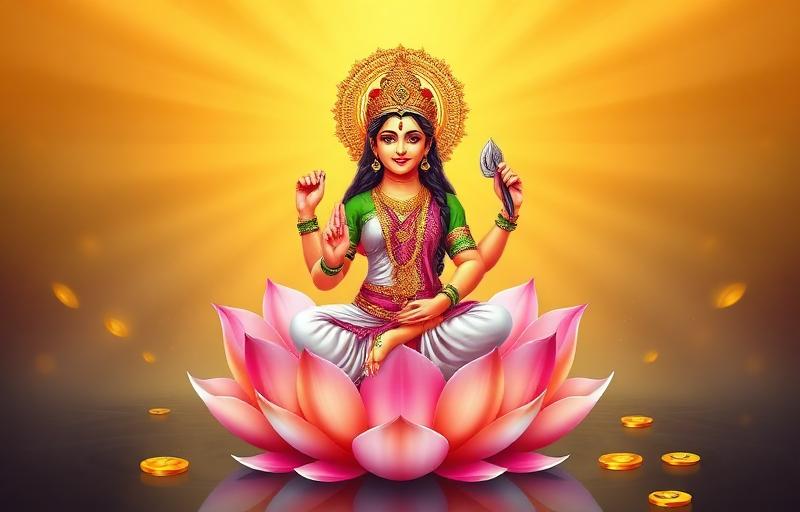
The Bhu Suktam is a Vedic hymn that praises and gives thanks to Bhumi Devi (Bhu Devi) - the Earth honoured as a divine mother. In the Vedic vision, the earth is not mere soil but a living, sacred goddess who bears the weight of all beings, nourishes life, and remains endlessly patient and giving. The hymn describes her vastness, her mountains and oceans, her fertility and forgiveness, and offers deep reverence to her.
Bhu Devi is also honoured as a consort of Lord Vishnu (as in Varaha and the Vishnu tradition), which adds to the hymn's sanctity. The Bhu Suktam expresses one of our tradition's most beautiful teachings: that the earth is our mother, to be treated with gratitude, care and respect. It is recited both as worship and as a heartfelt prayer for the earth's blessings.
Uses & Benefits
The Bhu Suktam holds an important place in rituals connected with land and home:
- Bhoomi Pujan: It is chanted when worshipping the land before construction, seeking Mother Earth's permission and blessing to build.
- Griha Pravesh: It is recited during house-warming ceremonies to sanctify the new home and invoke stability and prosperity.
- Farming and land: Farmers and landowners honour Bhu Devi with this hymn for fertile land and good harvests.
- Vishnu and Lakshmi puja: As Bhu Devi is linked to Vishnu, it is chanted in Vishnu homas alongside the Sri Suktam.
- Gratitude and stability: Devotees recite it for stability in life, a settled home, and to express thanks to the earth.
Beyond ritual, the Bhu Suktam carries a timely message of caring for the environment and living gently on the earth. These are traditional beliefs held with reverence.
How to Recite It
- Preparation: Bathe and sit in a clean place, ideally where you can touch the earth or be near it, facing east or north.
- A gesture of respect: Many begin by touching the earth and praying for forgiveness for stepping on Mother Earth, a beautiful traditional gesture of humility.
- Recite slowly with correct pronunciation, learnt from a teacher or an authentic recording.
- During rituals: In bhoomi pujan or griha pravesh, follow the guidance of the officiating priest, who weaves the hymn into the ceremony.
- Daily gratitude: You may recite or reflect on it as a simple daily prayer of thanks to the earth that supports you.
- Live the message: Honour the hymn by caring for the environment, keeping surroundings clean, and treating the earth gently.
These are traditional practices observed with faith and gratitude.
Frequently Asked Questions
Who is Bhu Devi in the Bhu Suktam?+
Bhu Devi (Bhumi Devi) is Mother Earth, honoured in the Vedas as a living, sacred goddess who bears all beings, nourishes life and remains endlessly patient and giving. She is also honoured as a consort of Lord Vishnu, which adds to the hymn's sanctity.
When is the Bhu Suktam chanted?+
It is especially chanted during bhoomi pujan (worship of the land before construction) and griha pravesh (house-warming), and by farmers for fertile land. As Bhu Devi is linked to Vishnu, it is also recited in Vishnu homas alongside the Sri Suktam, and as a daily prayer of gratitude to the earth.
What is the deeper message of the Bhu Suktam?+
It teaches that the earth is our mother, to be treated with gratitude, care and respect. Beyond ritual, it carries a timely message of honouring and protecting the environment and living gently on the earth that supports and nourishes all life.
About the author
Acharya Vinaya Kapoor · M.A. Sanskrit, Mantra & Stotra Studies
Acharya Vinaya holds an M.A. in Sanskrit from Banaras Hindu University and writes the mantra and stotra commentary on Vandnaa. Her focus is on accurate pronunciation, traditional context, and helping modern readers connect with classical texts.
Meet the Vandnaa editorial team →