Who Is Brahmani
Brahmani, sometimes called Brahmi, is the first among the Saptamatrika and carries the shakti, or divine energy, of Lord Brahma, the creator. Like Brahma she is shown with four faces, and she holds the same kamandalu (water pot) and akshamala (rosary of beads) that Brahma carries, while riding his vahana, the hamsa or swan.
Among the seven mothers, Brahmani represents the energy of creation itself, the shakti without which even the creator god cannot bring the universe into being.
Origin in the Battle of the Devi Mahatmya
As per the Devi Mahatmya, when the goddess Chandika fought the demon general Raktabija, the shaktis of the great gods emerged from their bodies to stand beside her. Brahmani stepped forth from Brahma, carrying his emblems, to join the army of mother goddesses in that decisive battle.
The story is a reminder that even the power to create the cosmos rests on shakti, the feminine principle, and that Brahma's own energy had to take form as Brahmani to actively defend dharma.
Meaning and Iconography
Brahmani is usually shown with a fair or golden complexion, seated on or accompanied by a hamsa. Her four faces are said to represent the four Vedas that Brahma is believed to have brought forth, and her rosary is seen as a symbol of time and the endless cycle of creation.
Her water pot, the kamandalu, is associated with the primeval waters from which creation is said to arise, making Brahmani a goddess devotees particularly associate with knowledge, learning and fresh beginnings.
How Devotees Worship Brahmani
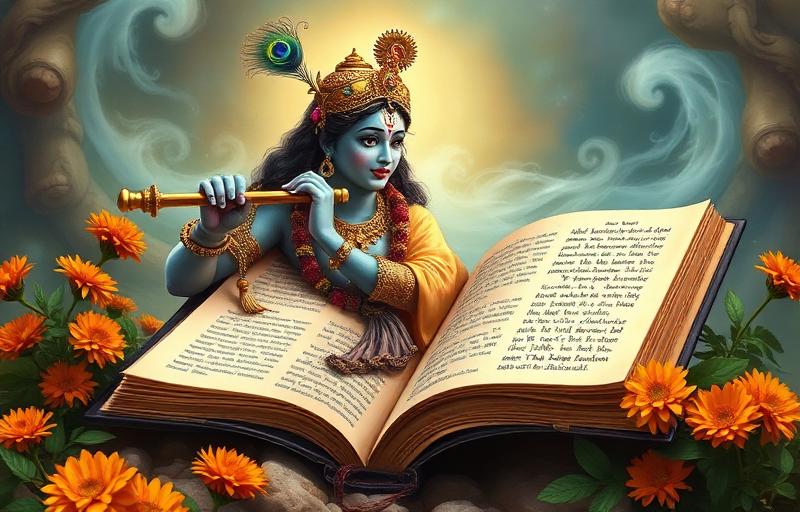
Brahmani is rarely worshipped alone; she is honoured as part of the Saptamatrika panel found in many shakti temples, and invoked during Navratri when the Devi Mahatmya is recited in full. Devotees offering prayers to her often chant a simple invocation such as Om Brahmanyai Namah, meaning salutations to Brahmani.
Students and scholars, in particular, are said to offer white flowers and a short prayer to Brahmani before examinations or the start of new learning, seeking her blessing for clarity of thought.
Benefits as per Tradition
As per tradition, devotees believe that invoking Brahmani brings wisdom, clarity and the courage to begin something new, whether it is a course of study, a creative project or a fresh chapter in life. She is also considered protective of scholars, teachers and anyone engaged in the pursuit of knowledge.
Her presence among the Saptamatrikas is a reminder that intellect and creativity themselves are forms of the divine mother's shakti.
The Devotional Takeaway
Brahmani's place among the seven mothers teaches that no creation, however grand, can exist without the guiding and protecting hand of shakti. Devotees who remember her before starting new work do so, as per tradition, not to seek shortcuts but to invite discipline and clarity into their effort.
Worship of Brahmani, like all devotion to the Saptamatrikas, is an act of faith and love, not a transaction.
Common Questions From Devotees
What does Brahmani, the Saptamatrika, represent?+
Brahmani represents the shakti, or creative energy, of Brahma the creator. She carries his kamandalu and akshamala and rides the hamsa, symbolising knowledge and new beginnings.
Is Brahmani worshipped in a separate temple?+
Brahmani is rarely worshipped in a standalone temple. She is usually honoured as part of the Saptamatrika panel in shakti temples and invoked collectively during Navratri.
What mantra is chanted for Brahmani?+
Devotees commonly chant the simple invocation Om Brahmanyai Namah, meaning salutations to Brahmani, as part of matrika worship.
About the author
Anjali Mehta · Editor, M.A. Religious Studies
Anjali is the managing editor for Vandnaa and oversees the festival and vrat coverage. She holds an M.A. in Religious Studies and reviews every published article for accuracy, accessibility, and tradition-fidelity.
Meet the Vandnaa editorial team →