What Is Champa Shashti
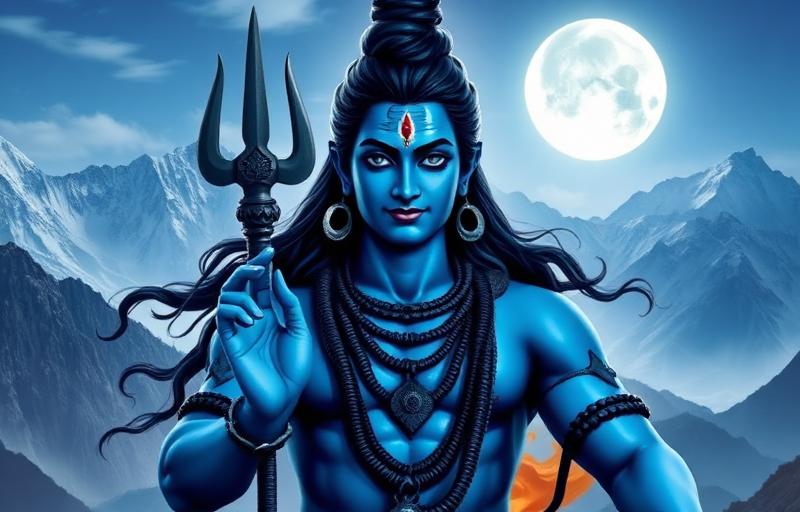
Champa Shashti is a vibrant festival dedicated to Lord Kartikeya (also called Subramanya, Skanda or Murugan) and to Khandoba, a much-loved form of Lord Shiva worshipped in Maharashtra and Karnataka. The day celebrates Khandoba, the warrior-deity, as the slayer of the demons Mani and Malla, and it concludes a six-day festival known as Champa Shashti or Khandoba Shashti. The festival is observed with special grandeur at the famous Jejuri temple in Maharashtra and the Kukke Subramanya shrine in Karnataka, where devotees throng to honour the deity with turmeric, champak flowers and joyful worship.
Tithi and When It Falls in 2026
Champa Shashti falls on the Shashti (sixth day) of Margashirsha Shukla Paksha (Agahan month), the climax of a six-day observance that begins on Pratipada. By the Gregorian calendar this usually arrives in November or December. Because lunar tithis shift each year and may begin on a different solar day in your region, please confirm the exact date and puja muhurat for your city on the Vandnaa Panchang. In many households the ghatasthapana (installation) is done on the first day and the main puja and udyapan on Shashti, so checking the local timing helps you plan the full six-day vrat.
Significance of Champa Shashti
The festival celebrates the victory of good over evil through the heroic deeds of Khandoba and Kartikeya, the divine commander of the gods' army. Worshipping them is believed to bestow courage, protection, removal of obstacles, success against difficulties, and the fulfilment of family wishes. For many families in Maharashtra and Karnataka, Khandoba is the kuladevata (family deity), and Champa Shashti is the most important day to express gratitude and renew their bond with him. The six-day fast is often kept by those who promised a vow, and breaking it on Shashti with the family is regarded as deeply auspicious for health, prosperity and harmony.
The Legend of Khandoba and the Demons
According to the katha, two fierce demons, Mani and Malla, terrorised the sages and people of the earth, growing arrogant after powerful boons. Unable to bear their tyranny, the gods and rishis prayed to Lord Shiva, who manifested as the radiant warrior Khandoba (also called Martand Bhairava or Malhari), mounted on a horse and armed with a great sword. After a mighty six-day battle, Khandoba defeated the demons. The repentant Malla asked that his name be joined with the deity's, which is why he is revered as Malhari (Malla + Hari). The six days of the festival recall this battle, and Shashti marks the day of final victory.
Champa Shashti Puja Vidhi
The observance is often a six-day vrat completed on Shashti: 1. On the first day, take a sankalp and, where the custom exists, perform ghatasthapana with a sacred pot. 2. Each day, worship the image of Khandoba or Kartikeya with *turmeric (bhandar), champak flowers, bel leaves and bhog. 3. On Champa Shashti, bathe early, decorate the shrine, and offer turmeric powder generously, as Khandoba is fondly showered with bhandara. 4. Light a diya, recite the legend and the deity's mantras, and perform aarti. 5. Offer naivedya such as bharit-rodga* (brinjal and bajra bhakri in Maharashtra), then break the fast with family. Keep the worship joyful and grateful, honouring the family deity.
Mantras and Benefits
Recite these on Champa Shashti: 1. "Om Saravanabhavaya Namah" (ॐ शरवणभवाय नमः) - the powerful Kartikeya mantra. 2. "Om Sri Subramanyaya Namah" - salutation to Subramanya. 3. "Elkot, Khande Rayacha Yelkot, Jai Malhar" - the joyful Khandoba chant of Maharashtra. Devotees believe sincere worship brings *courage, victory over obstacles, protection of the family, good health, and the special blessings of one's kuladevata***. Childless couples and those seeking strength and success particularly pray to Kartikeya and Khandoba. Beyond material blessings, the festival inspires the qualities the deity embodies - valour, righteousness, devotion to duty, and the determination to overcome the inner demons of ego and greed.
Regional Customs and Traditions
Regional customs give Champa Shashti its colour. In Maharashtra, devotees throng Jejuri, the hill shrine of Khandoba, where the air turns golden as turmeric (bhandara) is showered with cries of "Yelkot Yelkot Jai Malhar". Champak (champa) flowers, after which the festival is named, are offered along with turmeric and onions. Many families hold a community bhandara (feast) to feed devotees as an act of service. In Karnataka, Subramanya Shashti (Champa Shashti) draws crowds to Kukke Subramanya, where serpent worship is linked to Kartikeya. Folk songs, deepotsav (lamp lighting) and processions mark the day, blending devotion with the warm community spirit of these regions.
Frequently Asked Questions
What is Champa Shashti?+
Champa Shashti is a festival of Lord Kartikeya (Subramanya) and Khandoba, a form of Shiva, on Margashirsha Shukla Shashti, celebrated grandly in Maharashtra and Karnataka.
When is Champa Shashti in 2026?+
It falls on Margashirsha Shukla Shashti, usually in November or December, ending a six-day observance. Confirm the exact date and muhurat on the Vandnaa Panchang.
Who is Khandoba?+
Khandoba (Malhari, Martand Bhairava) is a warrior form of Lord Shiva worshipped in Maharashtra and Karnataka, famed for slaying the demons Mani and Malla.
How is Champa Shashti puja performed?+
Often a six-day vrat ending on Shashti: take a sankalp, worship Khandoba or Kartikeya daily with turmeric, champak flowers and bhog, recite mantras, do aarti and break the fast with family.
Which mantra is chanted on Champa Shashti?+
Chant "Om Saravanabhavaya Namah" and "Om Sri Subramanyaya Namah", and in Maharashtra the joyful Khandoba chant "Yelkot Yelkot Jai Malhar".
What is the bhandara on Champa Shashti?+
Bhandara refers both to the turmeric powder showered on Khandoba at Jejuri and to community feasts held to feed devotees as an act of service on this festive day.
About the author
Pandit Mahesh Trivedi · Festival Traditions & Panchang
Pandit Mahesh leads the festival-date and Panchang content on Vandnaa. He cross-references multiple regional panchangs (Drik, Vaishnava, Bengali, Marathi) for every festival date published on the site.
Meet the Vandnaa editorial team →