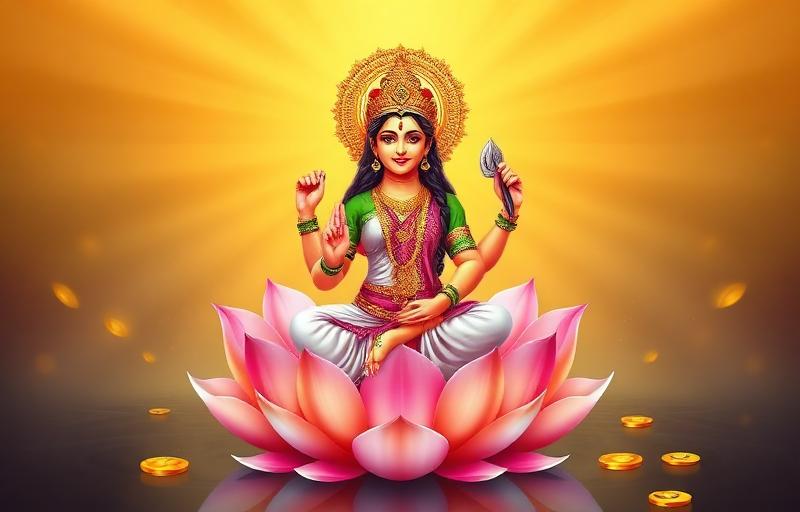
What Is Vivah Panchami
Vivah Panchami is the sacred anniversary of the divine wedding of Lord Ram and Mata Sita. On this day, devotees celebrate the moment described in the Ramayana when Ram lifted and strung the mighty bow of Shiva, the Pinaka, in King Janak's court and won the hand of Sita. It is observed with the greatest fervour in Ayodhya, Ram's birthplace, and in Janakpur (Nepal), Sita's home, where grand vivah utsav processions, kirtans and re-enactments of the marriage take place. For households across India, it is a day to invite Sita-Ram into the home as the ideal couple and seek their blessings.
Tithi and When It Falls in 2026
Vivah Panchami falls on the Panchami tithi of Margashirsha Shukla Paksha (the fifth day of the bright half of Margashirsha, also called Agahan). By the Gregorian calendar this usually arrives in late November or early December, in the cool early-winter weeks. Because tithi timings shift each year with the lunar calendar and may begin or end on a different solar day in your region, please confirm the exact date and puja muhurat for your city on the Vandnaa Panchang before planning your worship. Many temples hold the main vivah ritual in the evening, so checking the local timing matters.
Significance of Vivah Panchami
The day celebrates the union of Maryada Purushottam Ram and Adi Shakti Sita as the eternal model of an ideal marriage built on dharma, devotion and mutual respect. Worshipping Sita-Ram together is believed to bless a household with harmony, understanding between spouses and a peaceful family life. Spiritually, the wedding symbolises the meeting of the individual soul (jiva) with the Supreme, and of devotion (Sita) with the divine (Ram). Reading or hearing the Bal Kand of the Ramcharitmanas, which narrates the vivah, is considered especially auspicious on this tithi and is said to remove obstacles in one's own married life.
The Ram-Sita Vivah Story
King Janak of Mithila announced a swayamvar for his daughter Sita: whoever could lift and string the colossal bow of Lord Shiva would marry her. Mighty kings tried and failed; the bow would not move. Then the young prince Ram, travelling with Sage Vishwamitra and his brother Lakshman, approached the bow with humility. As he lifted it to string it, the ancient Pinaka snapped with a thunderous sound, fulfilling the condition. Sita placed the varmala (garland) around Ram, and the four sons of Dasharath were wed to the four daughters of Janak's house. The marriage of Ram and Sita became the heart of the Ramayana and the ideal that devotees revere to this day.
Sita-Ram Vivah Puja Vidhi at Home
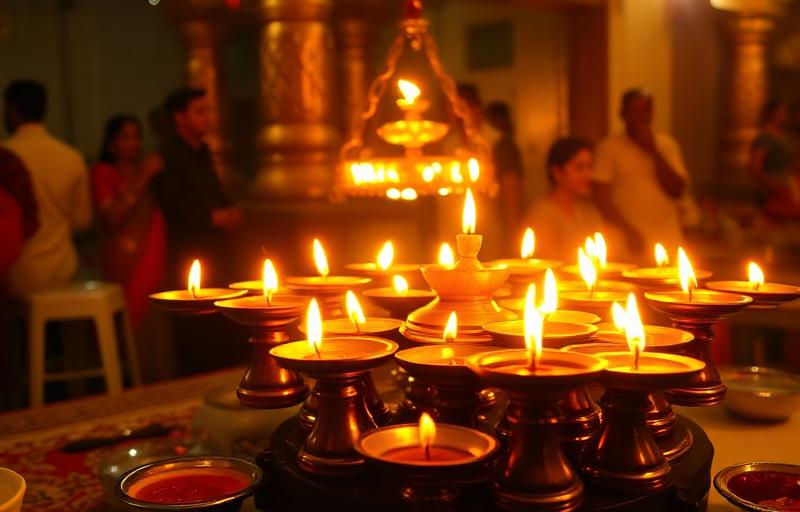
You can lovingly recreate the divine wedding at home with a simple vidhi: 1. Rise early, bathe, and clean the puja area; place an idol or picture of Sita and Ram together on a clean cloth. 2. Light a ghee diya and incense, and offer roli, akshat (rice), flowers and yellow garments or cloth pieces to the couple. 3. Symbolically perform the vivah - tie a sacred thread (gathbandhan) joining Sita and Ram, offer a tiny varmala of flowers and sweets like batasha. 4. Read or recite the vivah portion of the Bal Kand (Ramcharitmanas) or Sita-Ram kirtans. 5. Perform aarti, offer bhog (kheer or fruit), then distribute prasad. Keep the mood joyful, as if a wedding is taking place in your own home.
Mantras and Benefits
Chant these on Vivah Panchami: 1. "Shri Sitaramaya Namah" (श्री सीतारामाय नमः) - the loving union mantra. 2. "Shri Rama Jaya Rama Jaya Jaya Rama" - the simple, powerful Ram naam. 3. The Ram Stuti "Shri Ramachandra Kripalu Bhajman". Reciting Ram-Sita names together is said to bring harmony to married life, help unmarried devotees find a suitable partner, and fill the home with peace and dharma. The benefits often emphasised are marital understanding, removal of misunderstandings between couples, blessings for children, and the deep merit of remembering Maryada Purushottam Ram. Above all, the day strengthens bhakti and the resolve to live by truth and duty as Ram and Sita did.
Should One Marry on Vivah Panchami
A long-held debate surrounds marrying on Vivah Panchami. Many revere it as the most auspicious wedding day because Ram and Sita themselves were wed then. Yet some families in regions like Mithila traditionally avoid arranging personal weddings on this tithi, recalling that Sita's married life later carried great hardship, separation and vanvas. The respectful view is that the day is supremely auspicious for worshipping Sita-Ram and praying for marital blessings, while the choice to fix one's own wedding date is best made according to family custom and a proper muhurat. For the correct vivah muhurat for your own marriage, always consult the Vandnaa Panchang rather than assuming this tithi.
Reader Questions Answered
What is Vivah Panchami?+
Vivah Panchami is the sacred anniversary of the divine wedding of Lord Ram and Mata Sita, celebrated on Margashirsha Shukla Panchami, especially in Ayodhya and Janakpur.
When is Vivah Panchami in 2026?+
It falls on Margashirsha Shukla Panchami, usually in late November or early December. Confirm the exact date and muhurat for your city on the Vandnaa Panchang.
How is Vivah Panchami celebrated at home?+
Place Sita and Ram together, offer flowers, roli and yellow cloth, symbolically perform their vivah with a gathbandhan thread, recite the Bal Kand and do aarti with bhog.
Which mantra is chanted on Vivah Panchami?+
Chant "Shri Sitaramaya Namah" and "Shri Rama Jaya Rama Jaya Jaya Rama", and recite Ram Stuti. Chanting Ram and Sita names together is considered most auspicious.
What are the benefits of worshipping on Vivah Panchami?+
It is believed to bring marital harmony, help unmarried devotees find a partner, remove misunderstandings between couples and fill the home with peace and dharma.
Should one marry on Vivah Panchami?+
Views differ. Many consider it most auspicious, while some families avoid personal weddings on this tithi. It is ideal for worship; fix your own wedding muhurat via the Vandnaa Panchang.
About the author
Pandit Mahesh Trivedi · Festival Traditions & Panchang
Pandit Mahesh leads the festival-date and Panchang content on Vandnaa. He cross-references multiple regional panchangs (Drik, Vaishnava, Bengali, Marathi) for every festival date published on the site.
Meet the Vandnaa editorial team →