What Is Vaikuntha Chaturdashi?
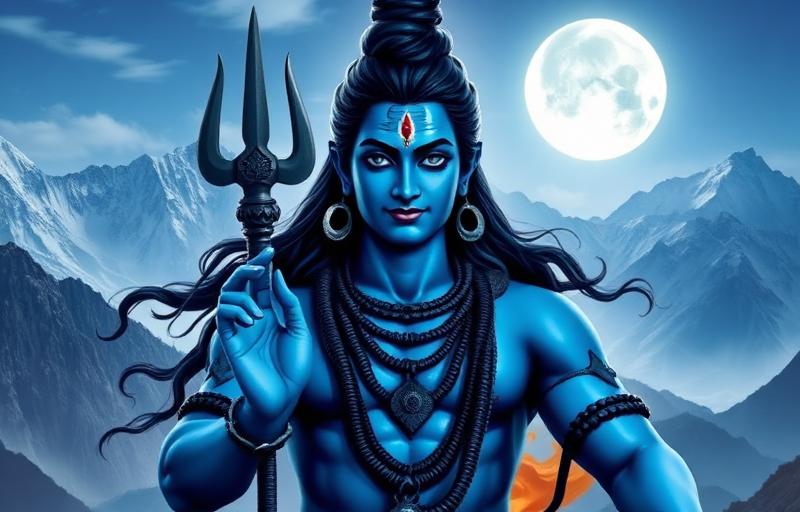
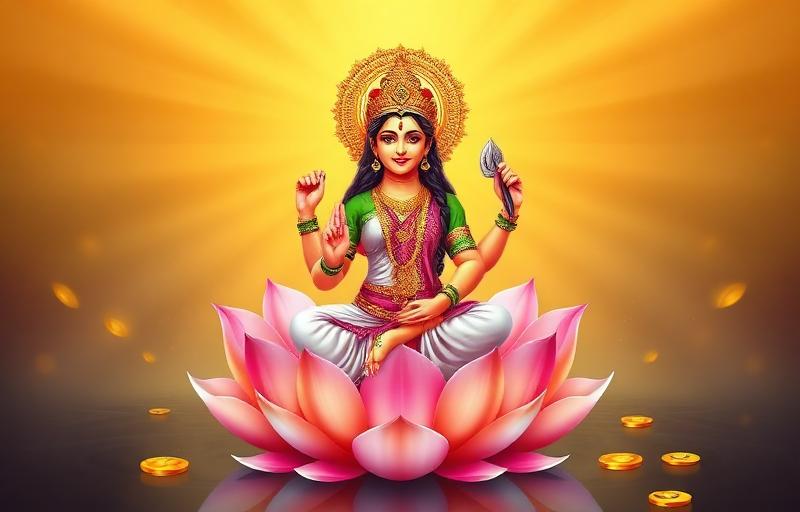
Vaikuntha Chaturdashi falls on the fourteenth day (chaturdashi) of the bright fortnight (shukla paksha) in the month of Kartik, just before the full moon of Kartik Purnima. It is a rare and beautiful festival because it unites the worship of Lord Vishnu and Lord Shiva on a single day, dissolving any imagined rivalry between the two great traditions of Vaishnavism and Shaivism. The name Vaikuntha refers to the supreme abode of Vishnu, and devotees believe that worshipping Hari and Hara together on this day opens the path to that realm. The celebration is especially grand in the holy cities of Kashi (Varanasi) and Rishikesh.
Tithi and When It Falls in 2026
Vaikuntha Chaturdashi is observed on Kartik Shukla Chaturdashi, which in the Gregorian calendar usually falls in November, the day before Kartik Purnima and a few days after Devutthana Ekadashi. A distinctive feature is that key parts of the worship are performed at *midnight (nishita kaal), when Vishnu is worshipped, while Shiva is honoured at other prescribed times. Because the chaturdashi tithi, the midnight puja window and the timings all depend on sunrise and the lunar calendar at your location, please confirm the exact date and the puja muhurat on the Vandnaa Panchang* for your city before you plan your observance.
Significance: Uniting Vishnu and Shiva
The defining significance of Vaikuntha Chaturdashi is its rare harmony of Hari and Hara. On most festivals one deity is the focus, but here Vishnu and Shiva are worshipped together, reminding devotees that the divine is ultimately one, appearing in many cherished forms. In Kashi, the city of Shiva, the day is celebrated with grandeur at temples like Vishwanath, where Vishnu is offered worship within Shiva's own holy city as a sign of mutual reverence. Observing this day is said to grant freedom from sins and, in keeping with its name, the grace to attain Vaikuntha. For devotees, it is a luminous teaching in unity, humility and the dissolving of sectarian divisions.
The Vishnu-Shiva Harmony Legend
A cherished legend explains the day. It is said that Lord Vishnu came to Kashi to worship Lord Shiva with one thousand lotus flowers. To test his devotion, Shiva hid one bloom. Finding one lotus missing, the steadfast Vishnu - known as Kamalanayana, the lotus-eyed - resolved to offer one of his own eyes in its place. Deeply moved by this supreme devotion, Shiva appeared, restored the flower and the eye, and gave Vishnu the Sudarshana Chakra. In that loving exchange, the two great Lords honoured each other, establishing this day for their joint worship. The legend teaches that true devotion transcends rivalry, and that the greatest among the divine bow to one another in mutual love.
Step-by-Step Puja Vidhi
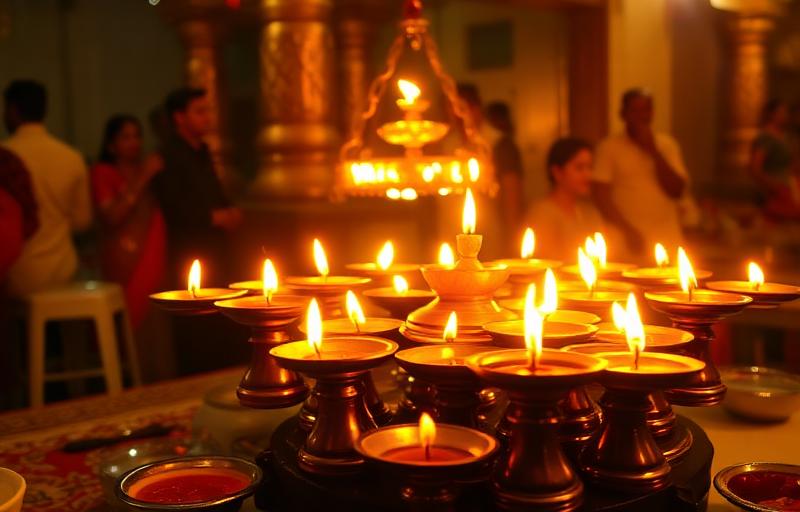
Honour both Lords with this vidhi: 1. Bathe early; a holy river bath, especially in Kashi or Rishikesh, is considered very auspicious. 2. In the daytime, worship Lord Shiva with bilva leaves, water, milk and the chanting of His mantras. 3. Prepare for the special *midnight (nishita kaal) puja of Lord Vishnu, the heart of this festival. 4. At midnight, offer Vishnu tulsi, lotus or other flowers, ghee lamps, incense and naivedya. 5. Light rows of lamps (deep-daan), as offering light on this day is highly meritorious. 6. Recite the Vishnu Sahasranama and Shiva stotras, honouring both with equal love. 7. Spend the night in bhajan and remembrance. 8. Conclude with aarti of both Hari and Hara and distribute prasad*.
Mantras to Chant
Because this day unites two great Lords, chant mantras for both: 1. For Vishnu, Om Namo Bhagavate Vasudevaya and Om Namo Narayanaya. 2. For Shiva, Om Namah Shivaya, the supreme five-syllable mantra. 3. To honour their unity, gently recite Om Harihara-svarupaya Namah, saluting the combined Hari-Hara form. You may also recite the Vishnu Sahasranama and the Maha Mrityunjaya mantra for Shiva. As you chant through the day and the midnight vigil, let the rhythm carry the spirit of the festival: that the divine is one, beyond any name or sect, deserving of our undivided love.
Benefits of the Observance
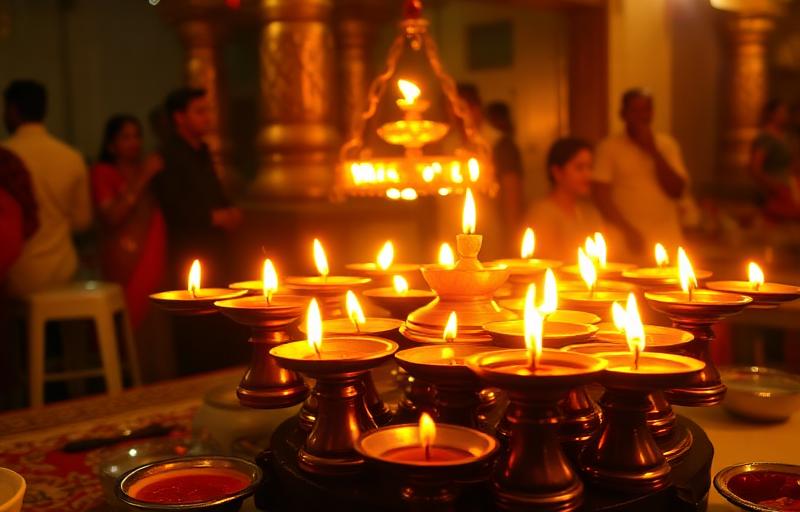
Vaikuntha Chaturdashi is said to free devotees from accumulated sins and, true to its name, to bless them with the path toward Vaikuntha, the abode of Vishnu. Worshipping both Hari and Hara is held to multiply the grace received, since neither tradition is excluded. The lavish deep-daan of the night brings the merit of dispelling darkness, inner and outer. Beyond the scriptural rewards, the day offers a profound lesson in religious harmony and humility that is deeply relevant today: the same devotion can flow to Vishnu and Shiva alike. Observed at home or on pilgrimage to Kashi or Rishikesh, it leaves the heart with a rare sense of wholeness and unity.
Reader Questions Answered
Why is Vishnu and Shiva worshipped together on this day?+
Vaikuntha Chaturdashi celebrates the harmony of Hari and Hara. A legend tells how Vishnu worshipped Shiva and was blessed by him, establishing a day when both great Lords are honoured together, dissolving sectarian rivalry.
When does Vaikuntha Chaturdashi 2026 fall?+
It is observed on Kartik Shukla Chaturdashi, usually in November, the day before Kartik Purnima. Since timing and the midnight puja window depend on your location, confirm the exact date on the Vandnaa Panchang.
What is the legend behind Vaikuntha Chaturdashi?+
Vishnu came to Kashi to worship Shiva with a thousand lotuses. When Shiva hid one to test him, the lotus-eyed Vishnu offered his own eye in its place. Moved, Shiva restored it and gave him the Sudarshana Chakra.
Why is the midnight puja important on this day?+
The worship of Lord Vishnu on Vaikuntha Chaturdashi is performed at midnight in the nishita kaal, considered the most auspicious window. Shiva is honoured at other prescribed times during the day.
Where is Vaikuntha Chaturdashi celebrated most grandly?+
It is celebrated with special grandeur in the holy cities of Kashi (Varanasi) and Rishikesh, where temples honour both Vishnu and Shiva and devotees offer rows of lamps and perform deep-daan.
Can I observe Vaikuntha Chaturdashi at home?+
Yes. At home you can bathe early, worship Shiva by day and Vishnu at midnight, offer lamps, recite the Vishnu Sahasranama and Shiva mantras, and conclude with aarti of both Lords and prasad.
About the author
Pandit Mahesh Trivedi · Festival Traditions & Panchang
Pandit Mahesh leads the festival-date and Panchang content on Vandnaa. He cross-references multiple regional panchangs (Drik, Vaishnava, Bengali, Marathi) for every festival date published on the site.
Meet the Vandnaa editorial team →