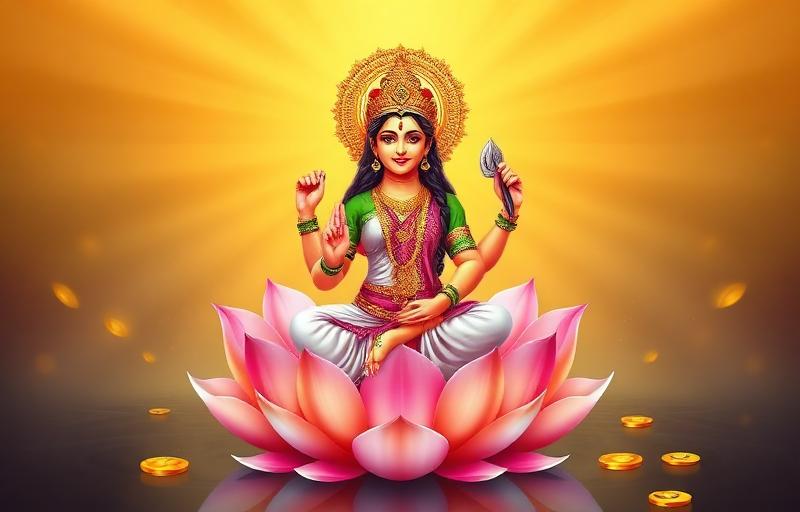
What Is Rama Ekadashi?
Rama Ekadashi is the ekadashi of the dark fortnight (krishna paksha) in the month of Kartik. The name Rama here refers to Goddess Lakshmi, the consort of Lord Vishnu, who is also called Rama or Ramaa. Because it falls just a few days before Diwali, this Ekadashi sets a deeply auspicious tone for the festival of lights, blending devotion to Vishnu with reverence for Lakshmi. It is praised in the Brahmavaivarta Purana as a fast that destroys even grievous sins and grants the rare grace of both spiritual liberation and worldly well-being. For many families it is the spiritual doorway to the Diwali season.
Tithi and When It Falls in 2026
Rama Ekadashi is observed on Kartik Krishna Ekadashi, which in the Gregorian calendar usually falls in late October or early November, just before Dhanteras and Diwali. The closeness to Diwali makes it special, but it also means the tithi timing must be watched carefully, since the Ekadashi and the parana on Dwadashi depend on sunrise at your location and shift by region. To time your sankalp and parana correctly amid the busy festival schedule, please confirm the exact date and parana muhurat on the Vandnaa Panchang for your city.
Significance and Link to Diwali
Rama Ekadashi is held to be supremely meritorious. The scriptures say it can dissolve even the sin of brahminicide and uplift one toward Vaikuntha. Coming days before Diwali, the day naturally honours Lakshmi-Narayana together, inviting both inner purity and outer prosperity into the home. Devotees see it as preparing the heart and household for the arrival of the Goddess of fortune on Diwali night. Worship is offered to Vishnu with tulsi, lamps and devotional song, while many also clean and sanctify the home in readiness for the festival. The Ekadashi thus weaves dharma, devotion and auspicious new beginnings into one luminous observance.
Rama Ekadashi Vrat Katha
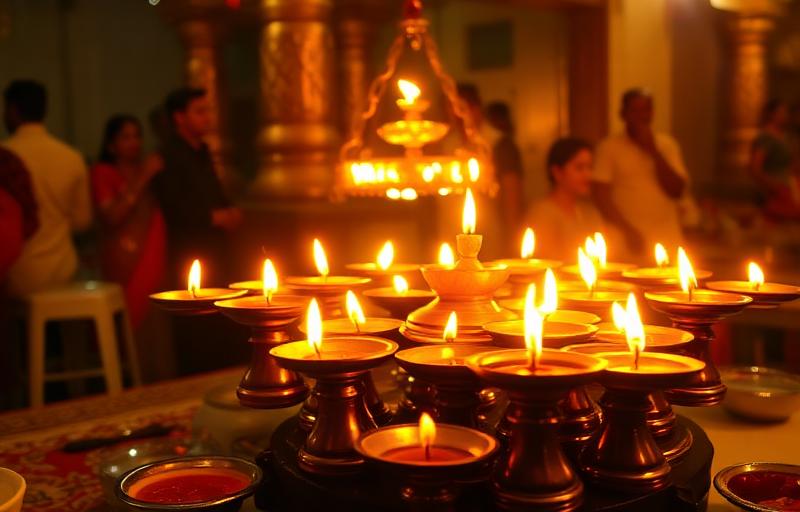
The katha speaks of King Muchukunda, a devoted ruler whose daughter Chandrabhaga was married to Prince Shobhana, son of King Chandrasena. Shobhana was sincere but physically weak, and he could not bear the rigours of a full Ekadashi fast in his father-in-law's strict kingdom. Yet on Rama Ekadashi he kept the fast with great faith and passed away the same day. By the power of that single observance, he was reborn in a celestial city of dazzling splendour on Mount Mandara. When Chandrabhaga later learned of his fate and recounted her own Ekadashi merit, his celestial standing became permanent. The katha shows that even one Rama Ekadashi fast, kept with faith, can transform one's destiny.
Step-by-Step Puja Vidhi
Observe Rama Ekadashi with this devoted vidhi: 1. Rise before sunrise, bathe, and wear clean clothes. 2. Take the sankalp before Lakshmi-Narayana to keep the fast. 3. Set up an altar with images of Vishnu and Lakshmi, offering tulsi, lotus or yellow flowers, sandalwood and a ghee lamp. 4. Present naivedya of fruits and offer water with devotion. 5. Read the Rama Ekadashi vrat katha, chant Vishnu mantras and recite the Vishnu Sahasranama. 6. Keep a nirjala or fruit-and-milk fast as health allows, avoiding grains and pulses. 7. Spend the night in bhajan and jagran, since this Ekadashi vigil is especially praised. 8. Break the fast on Dwadashi within the parana window after offering charity to a Brahmin or the needy.
Mantras to Chant
Since Rama Ekadashi honours both Vishnu and Lakshmi, chant mantras for the divine couple: 1. Om Namo Bhagavate Vasudevaya - the twelve-syllable Vishnu mantra. 2. Om Namo Narayanaya - the Narayana mantra of refuge. 3. Om Shreem Mahalakshmyai Namah - to invoke Goddess Lakshmi as Rama, the bestower of fortune. Reciting the Vishnu Sahasranama and singing Lakshmi-Narayana bhajans deepens the festive devotion. Use a tulsi mala, keep a steady rhythm, and hold the intention of welcoming both purity of heart and auspicious abundance as Diwali approaches.
Benefits of the Vrat
Rama Ekadashi is said to grant freedom from heavy sins, the favour of Goddess Lakshmi, and progress toward Vaikuntha. Practically, it prepares the devotee and the home for Diwali with a day of purity, fasting and remembrance, so that the festival is entered with a calm, grateful heart rather than mere busyness. The katha of Shobhana teaches that even one faithful observance can change a destiny, encouraging beginners not to underestimate their first vrat. Kept as a family, it blends devotion to Vishnu and Lakshmi into a shared rhythm of gratitude that carries beautifully into the festival of lights.
What People Ask Most
Who is the Rama in Rama Ekadashi?+
Here Rama refers to Goddess Lakshmi, the consort of Lord Vishnu, who is also called Rama or Ramaa. The Ekadashi therefore honours Lakshmi-Narayana together, especially fittingly just before Diwali.
When does Rama Ekadashi 2026 fall?+
It is observed on Kartik Krishna Ekadashi, usually in late October or early November, just before Diwali. Since timing depends on your location and sunrise, confirm the exact date on the Vandnaa Panchang.
How is Rama Ekadashi connected to Diwali?+
It falls a few days before Diwali and honours Lakshmi-Narayana together, preparing the heart and home with purity and devotion for the arrival of the Goddess of fortune on Diwali night.
What is the main teaching of the Rama Ekadashi katha?+
The story of Prince Shobhana shows that even a single Rama Ekadashi fast, kept with sincere faith, can transform one's destiny and grant a high celestial reward. It encourages devotees to value their observance.
What should I avoid eating during this Ekadashi?+
Grains, rice and pulses are avoided. Depending on health, one keeps a waterless fast or takes fruits, milk and water, keeping the diet sattvic and light through the day.
Is the night vigil important on Rama Ekadashi?+
Yes, staying awake in bhajan and remembrance through the night is especially praised on this Ekadashi. The fast is then broken on Dwadashi within the parana window. Check the timing on the Vandnaa Panchang.
About the author
Pandit Mahesh Trivedi · Festival Traditions & Panchang
Pandit Mahesh leads the festival-date and Panchang content on Vandnaa. He cross-references multiple regional panchangs (Drik, Vaishnava, Bengali, Marathi) for every festival date published on the site.
Meet the Vandnaa editorial team →