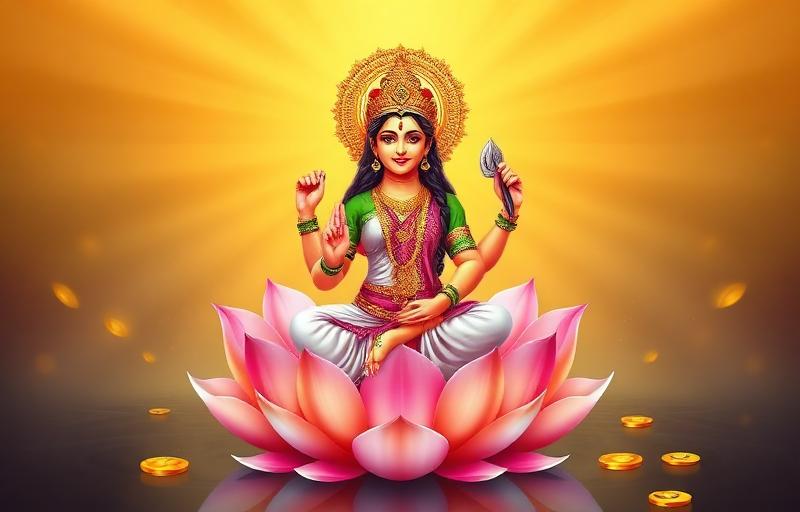
What Is Papankusha Ekadashi?
Papankusha Ekadashi is the ekadashi of the bright fortnight (shukla paksha) in the month of Ashwin. The name itself is striking: papa means sin and ankusha means a goad or hook, so Papankusha is the goad that controls and removes sins, just as a mahout controls an elephant. Dedicated to Lord Vishnu in His Padmanabha form, this Ekadashi is praised in the Brahmavaivarta Purana as one that grants the merit of severe penance with relatively gentle observance. It is regarded as an especially gracious day for those seeking forgiveness and a fresh start on the devotional path.
Tithi and When It Falls in 2026
Papankusha Ekadashi is observed on Ashwin Shukla Ekadashi, which in the Gregorian calendar usually falls in October. It arrives shortly after the Sharadiya Navratri and Vijayadashami season, making it a beautiful continuation of autumn devotion. As with every Ekadashi, the start and end of the tithi depend on sunrise at your location, and the parana time on Dwadashi has a fixed window. Dates and timings differ across regions, so please confirm the exact date and parana muhurat on the Vandnaa Panchang for your city before taking the sankalp.
Significance: The Remover of Sins
The scriptures describe Papankusha Ekadashi with remarkable assurance. It is said that even a person burdened with grave misdeeds can find purification by sincerely honouring Lord Vishnu on this day. The merit of pilgrimages, of feeding the hungry, and of long austerities is promised to those who fast with faith. Worshipping Vishnu as Padmanabha, the lotus-naveled Lord, and offering tulsi is central to the day. The deeper teaching is one of hope: no soul is beyond redemption when it turns toward the divine with humility. The Ekadashi reminds devotees that genuine repentance and remembrance can lift the heaviest weight from the heart.
Papankusha Ekadashi Vrat Katha
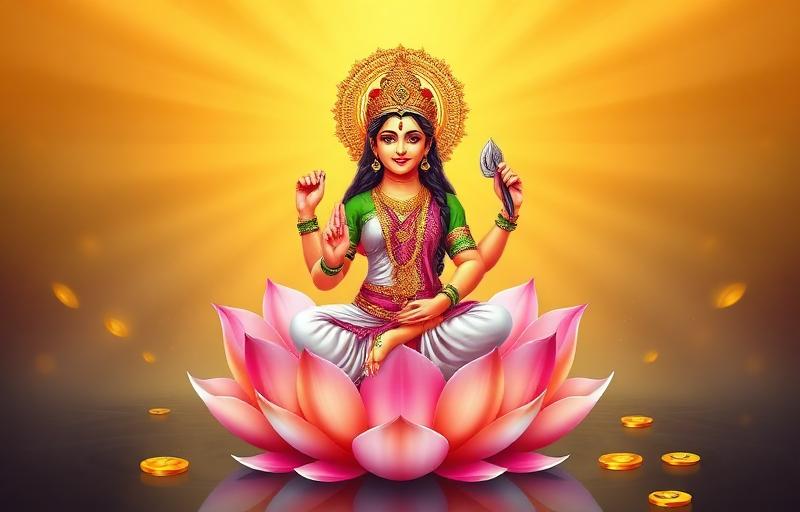
The katha tells of a fierce hunter named Krodhana, who lived in the Vindhya mountains and spent his life in violence and cruelty. As death approached, fear gripped him and he ran to the sage Angira for refuge. The compassionate sage advised him to observe the Papankusha Ekadashi vrat with full devotion to Lord Vishnu. Though the hunter had sinned greatly all his life, his single sincere fast and remembrance of the Lord washed away his accumulated sins. He attained a higher destiny, and even his ancestors were uplifted. The story is a powerful reminder that no past is too dark for divine grace when one turns to Vishnu with a true heart.
Step-by-Step Puja Vidhi
Observe the vrat with this simple, heartfelt vidhi: 1. Wake before sunrise, bathe, and put on clean clothes. 2. Take the sankalp before Lord Vishnu to keep the fast with devotion. 3. Set an altar with an image of Vishnu or Padmanabha, and offer tulsi leaves, yellow flowers and sandalwood. 4. Light a ghee lamp and incense, and present naivedya such as fruits. 5. Read the Papankusha Ekadashi vrat katha and chant Vishnu mantras and the Vishnu Sahasranama. 6. Keep a nirjala or fruit-and-milk fast as your health permits, avoiding grains and pulses. 7. Spend the evening in bhajan and jagran, dedicating the night to remembrance. 8. Break the fast on Dwadashi within the parana window, ideally after offering food and dakshina in charity.
Mantras to Chant
Mantra japa is the heart of Papankusha Ekadashi. Choose one and repeat it steadily on a tulsi mala: 1. Om Namo Bhagavate Vasudevaya - the great twelve-syllable mantra of Vishnu. 2. Om Namo Narayanaya - the Narayana mantra for inner peace. 3. Om Padmanabhaya Namah - honouring Vishnu's lotus-naveled form worshipped on this day. Reciting the Vishnu Sahasranama or singing Madhurashtakam and Achyutam Keshavam enhances the mood of surrender. As you chant, hold a sincere intention to release past wrongs and walk forward with a lighter, devoted heart.
Benefits of the Vrat

The promised fruits of Papankusha Ekadashi are vast: freedom from accumulated sins, the merit of pilgrimage and penance, and ultimately the grace of Lord Vishnu leading toward moksha. Yet the most practical benefit is inner: a day spent in fasting, charity and remembrance loosens the grip of guilt and renews resolve. The katha of Krodhana teaches that transformation is always possible. Observed as a family, the day builds shared devotion and gratitude. Approach the vrat not as a magic eraser but as a heartfelt turning toward the Lord, and the lightness it brings will feel very real.
Common Questions From Devotees
What does the name Papankusha mean?+
Papa means sin and ankusha means a goad or hook used to control an elephant. So Papankusha means the goad that controls and removes sins, which is why this Ekadashi is known as a great destroyer of sins.
When does Papankusha Ekadashi 2026 fall?+
It is observed on Ashwin Shukla Ekadashi, usually in October, soon after Navratri. Since the tithi and parana timing depend on your location and sunrise, confirm the exact date on the Vandnaa Panchang.
Which form of Vishnu is worshipped on this Ekadashi?+
Lord Vishnu is worshipped as Padmanabha, the lotus-naveled form. Tulsi leaves, yellow flowers and sandalwood are offered, along with recitation of the Vishnu Sahasranama and the vrat katha.
Can someone with many past mistakes observe this vrat?+
Yes. The very message of the katha of Krodhana the hunter is that sincere devotion on this day can cleanse even a heavily burdened soul. The vrat is meant to give hope and a fresh start.
What can I eat during the Papankusha Ekadashi fast?+
Grains and pulses are avoided. Depending on your health, you may keep a waterless fast or take fruits, milk and water. Keep the diet simple and sattvic through the day.
What is the right way to break this Ekadashi fast?+
Break the fast on Dwadashi within the prescribed parana window after sunrise. It is auspicious to first offer food and dakshina in charity before eating yourself. Check the parana timing on the Vandnaa Panchang.
About the author
Pandit Mahesh Trivedi · Festival Traditions & Panchang
Pandit Mahesh leads the festival-date and Panchang content on Vandnaa. He cross-references multiple regional panchangs (Drik, Vaishnava, Bengali, Marathi) for every festival date published on the site.
Meet the Vandnaa editorial team →