What Is Devutthana Ekadashi?
Devutthana Ekadashi, also called Prabodhini Ekadashi or Dev Uthani Ekadashi, falls on the ekadashi of the bright fortnight (shukla paksha) in the month of Kartik. The names mean the awakening of the gods, for this is the joyous day Lord Vishnu wakes from His four-month yoga-nidra that began on Devshayani Ekadashi in Ashadha. With His awakening, the holy period of Chaturmas ends, and the most auspicious season of the Hindu year - the season of marriages, grihapravesh and major ceremonies - reopens. The same day also marks the beloved tradition of Tulsi Vivah, the ceremonial marriage of the sacred tulsi plant to Lord Vishnu in His Shaligram form.
Tithi and When It Falls in 2026
Devutthana Ekadashi is observed on Kartik Shukla Ekadashi, which in the Gregorian calendar usually falls in November, about two weeks after Diwali. Tulsi Vivah is celebrated on this day and often through the following Dwadashi as well, so households sometimes hold the marriage ritual on either day depending on local tradition. Because the tithi and the parana timing depend on sunrise at your location and vary by region, please confirm the exact Ekadashi date, the Tulsi Vivah day and the parana muhurat on the Vandnaa Panchang for your city before planning your observance.
Significance: The Awakening of Vishnu
This Ekadashi carries one of the most uplifting themes in the devotional calendar: the divine awakening. For four months during Chaturmas, Lord Vishnu is said to rest in cosmic sleep upon Sheshanaga in the ocean of milk. On Prabodhini Ekadashi devotees lovingly call Him to rise, singing wake-up songs and offering light, sound and flowers. His awakening signals that the cosmos is once again fully active and that auspicious worldly ceremonies may resume. Spiritually, the day invites devotees to awaken their own inner devotion from any slumber. The merit of this Ekadashi is considered immense, said to surpass that of many other fasts combined.
The Wake-Up Ritual
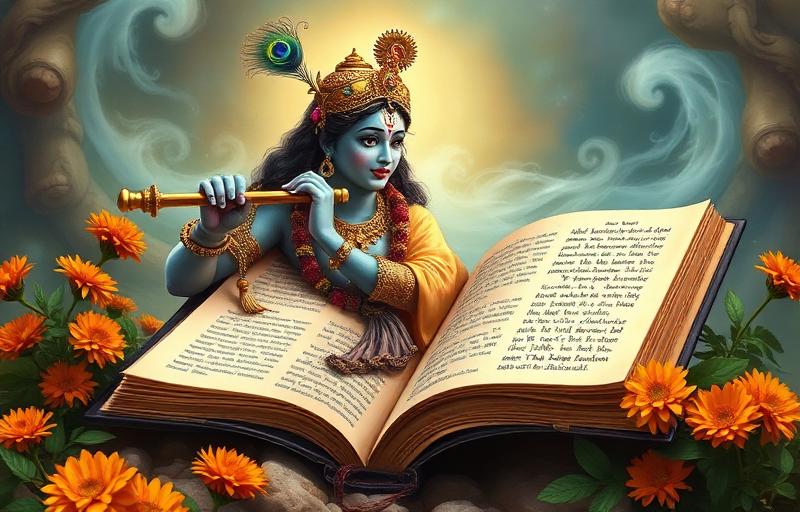
On the morning of Prabodhini Ekadashi, families perform the tender ritual of waking the Lord. An image or idol of Vishnu is placed on a clean platform, and devotees gently sing the traditional call, Uthho Deva, baitho Deva - rise, O Lord, awaken. A conch is blown, bells are rung, and lamps are waved while flowers, fruit and naivedya are offered. In many homes a decorated chowk is drawn on the floor, sugarcane is arranged, and seasonal fruits like singhada (water chestnut) and amla are placed before the Lord. The ritual is performed with affection, as one would lovingly wake a cherished family member, marking the joyful return of the Lord to full wakefulness.
Tulsi Vivah Connection and Vidhi
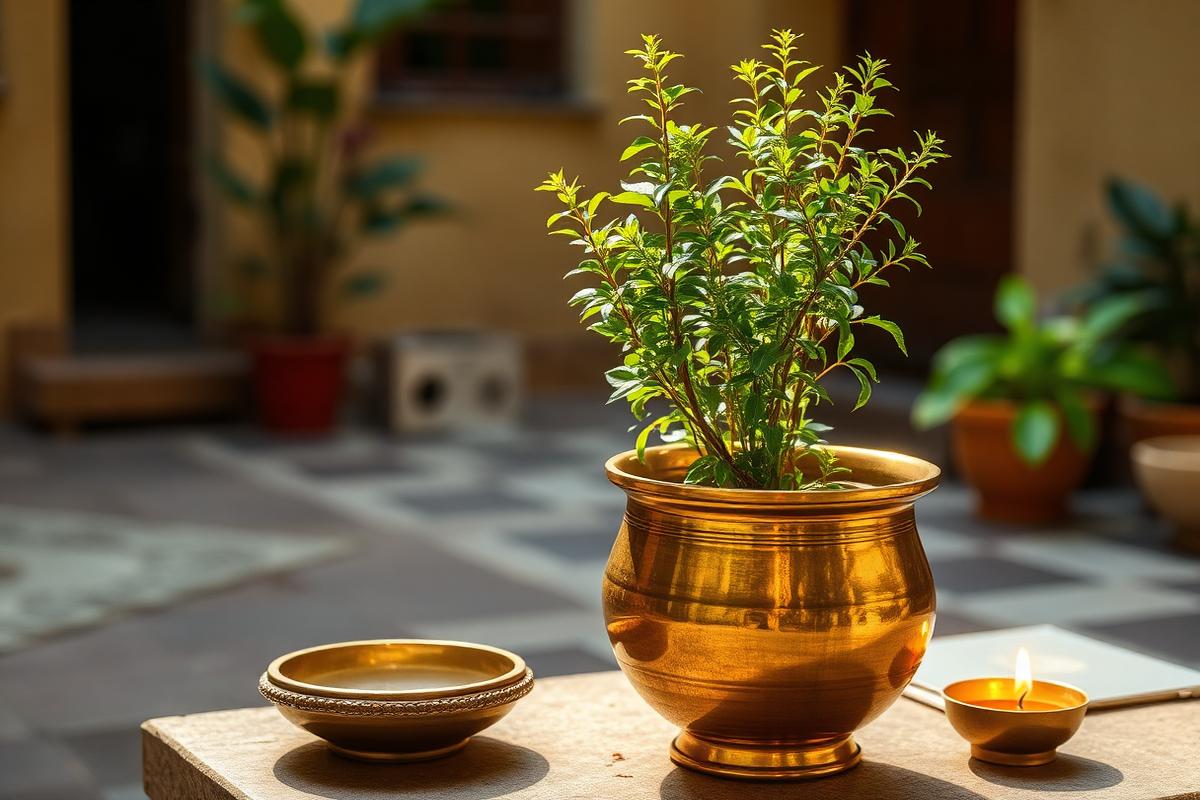
Devutthana Ekadashi is inseparable from Tulsi Vivah, the ceremonial wedding of the sacred tulsi plant (revered as Goddess Vrinda or Tulsi) to Lord Vishnu in His Shaligram form. Performing it is considered as meritorious as giving a daughter in marriage (kanyadaan). To perform Tulsi Vivah: 1. Place the tulsi pot on a decorated platform and clean the area. 2. Adorn the tulsi with a red chunari, bangles and ornaments as a bride. 3. Set the Shaligram or a Vishnu idol beside her as the groom. 4. Tie a sacred thread, perform mangal pheras, and offer sugarcane, flowers and naivedya. 5. Sing wedding songs and conclude with aarti and prasad distribution. This joyous rite formally reopens the marriage season.
Mantras to Chant
Chant these mantras while waking the Lord and during Tulsi Vivah: 1. Om Namo Bhagavate Vasudevaya - the twelve-syllable Vishnu mantra. 2. Om Namo Narayanaya - the Narayana mantra of devotion. 3. Om Tulsyai Namah - to honour the sacred tulsi as the divine bride. Many also recite the traditional awakening verse Uttishtha, Govinda, uttishtha, Garudadhwaja asking the Lord to rise, along with the Vishnu Sahasranama. As you chant, picture the Lord opening His eyes upon a world that has waited four months for His grace, and let your own devotion awaken with Him.
Benefits of the Vrat and Observance
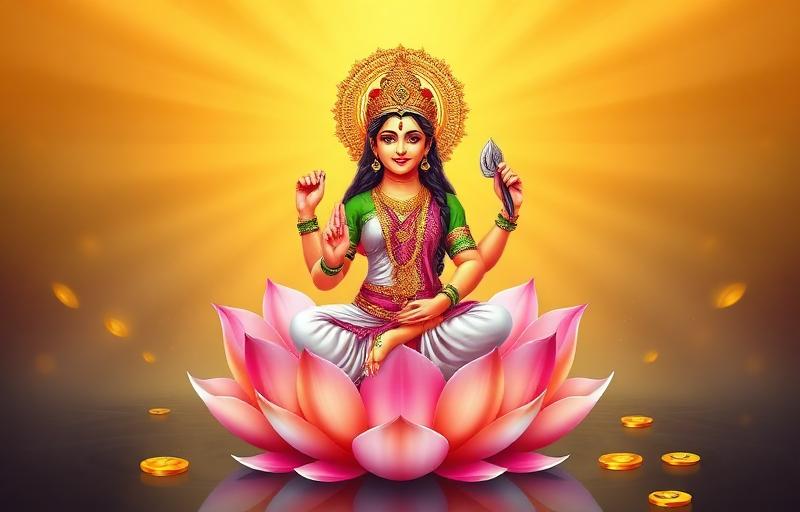
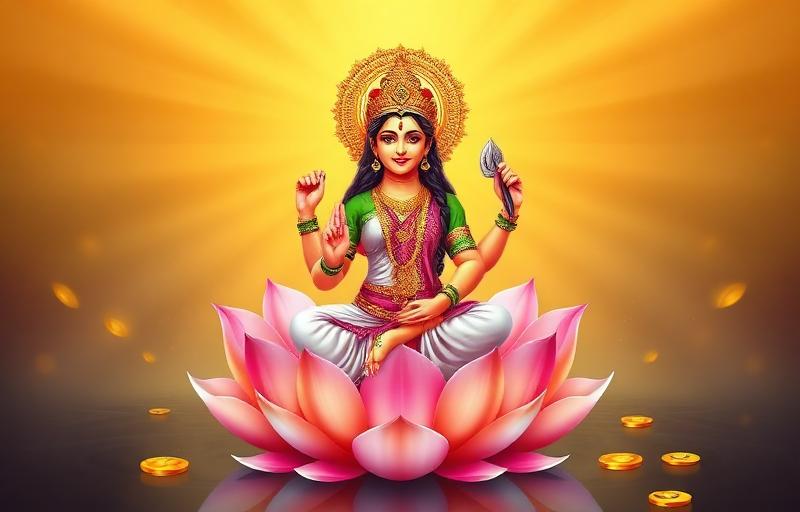
Observing Devutthana Ekadashi is said to bestow vast merit, the blessings of Lord Vishnu and Goddess Lakshmi, and harmony and prosperity in the home, especially through the merit of Tulsi Vivah. Practically, it brings families together for a warm, festive ritual that strengthens bonds and welcomes the auspicious marriage season with joy. The wake-up theme offers a gentle spiritual lesson: just as the Lord rises, we too can awaken our devotion, energy and good resolutions after any period of dormancy. For couples, performing Tulsi Vivah is believed to bring marital harmony, while for all it sanctifies the home with the presence of the sacred tulsi and the awakened Lord.
Quick Answers
Why is it called Dev Uthani Ekadashi?+
The name means the awakening of the gods. On this day Lord Vishnu wakes from His four-month yoga-nidra that began on Devshayani Ekadashi, so devotees lovingly call Him to rise and celebrate His awakening.
When does Devutthana Ekadashi 2026 fall?+
It is observed on Kartik Shukla Ekadashi, usually in November, about two weeks after Diwali. Since timing depends on your location and sunrise, confirm the exact date and Tulsi Vivah day on the Vandnaa Panchang.
Why do marriages resume after this Ekadashi?+
During Chaturmas, while Vishnu sleeps, major auspicious ceremonies are paused. When He wakes on Prabodhini Ekadashi, Chaturmas ends and the auspicious season for marriages and other ceremonies reopens.
What is Tulsi Vivah and why is it done on this day?+
Tulsi Vivah is the ceremonial marriage of the sacred tulsi plant to Lord Vishnu in His Shaligram form. Done on this day, it marks the awakened Lord's union and reopens the marriage season, with merit like kanyadaan.
How is the wake-up ritual performed?+
An image of Vishnu is placed on a clean platform; devotees sing the call to rise, blow a conch, ring bells, wave lamps and offer flowers, sugarcane and seasonal fruits, lovingly waking the Lord at dawn.
Can the whole family observe Devutthana Ekadashi?+
Yes, it is a joyous family observance. Those who can fast keep the Ekadashi vrat, while all join the wake-up ritual and Tulsi Vivah, sharing bhajan, aarti and prasad together at home.
About the author
Pandit Mahesh Trivedi · Festival Traditions & Panchang
Pandit Mahesh leads the festival-date and Panchang content on Vandnaa. He cross-references multiple regional panchangs (Drik, Vaishnava, Bengali, Marathi) for every festival date published on the site.
Meet the Vandnaa editorial team →