Chamundeshwari: Guardian Goddess of Chamundi Hill
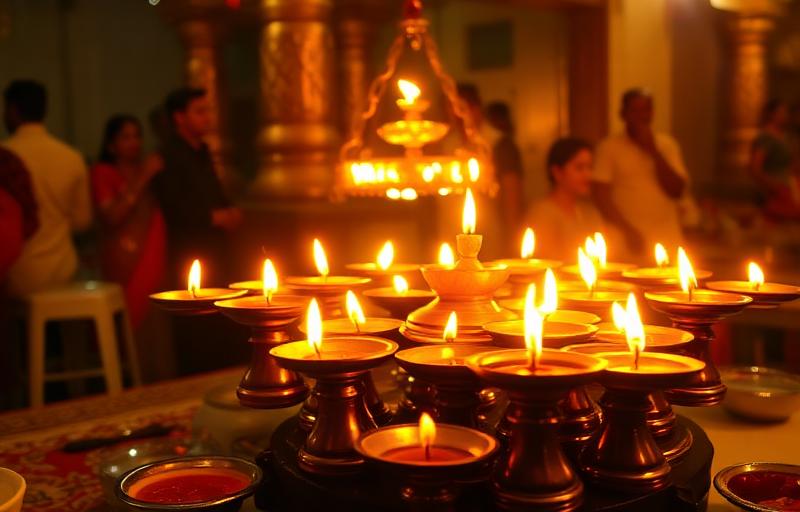
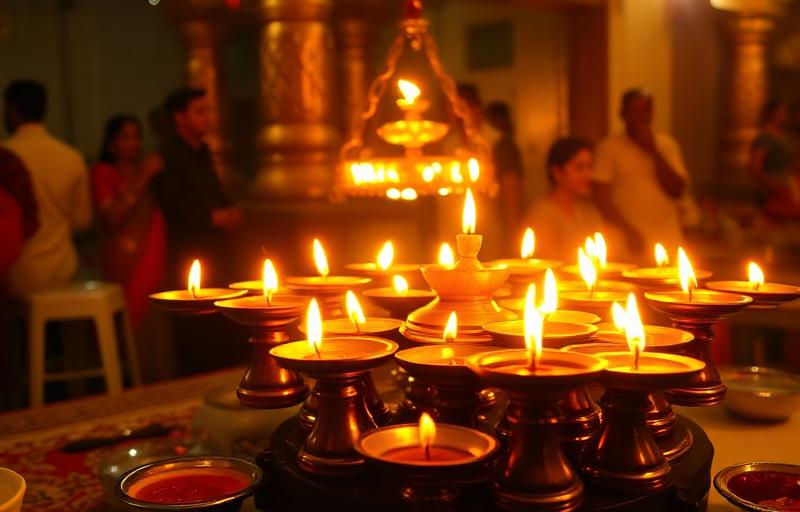
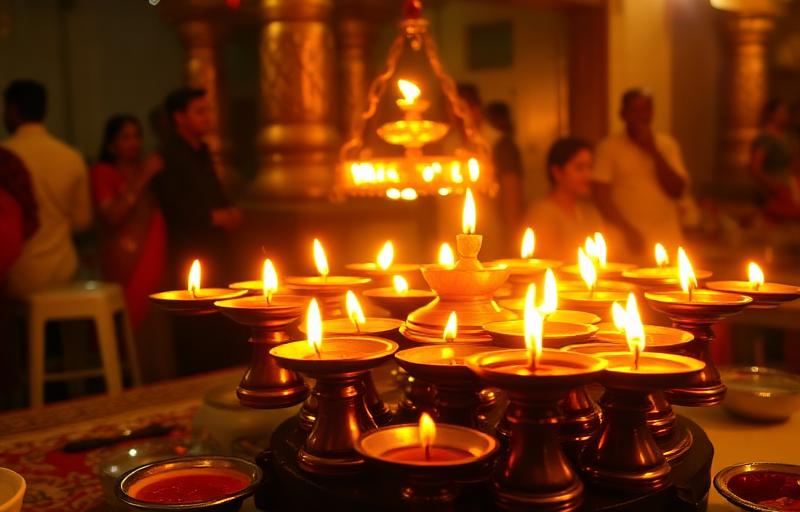
The Chamundeshwari Temple stands atop Chamundi Hill, on the outskirts of Mysuru in Karnataka, offering sweeping views over the city below. The temple is dedicated to Chamundeshwari, a fierce form of the goddess Durga, who has been worshipped here as the presiding deity and protector of the region for many generations.
The temple was closely associated with the Wadiyar dynasty, the erstwhile royal family of Mysuru, who regarded Chamundeshwari as their family deity and were patrons of the temple for centuries.
The Legend of Mahishasura and Mysuru's Name
According to tradition, the demon Mahishasura, who could take the form of a buffalo, terrorised the region until he was finally defeated by the goddess in her fierce form as Chamundeshwari, also known as Mahishasura Mardini, the slayer of Mahishasura. A large statue of the demon stands partway up Chamundi Hill, commemorating this victory.
The city of Mysuru itself is traditionally believed to take its name from this legend, derived from Mahishasura's own name, making the story a foundational part of the region's identity, not just its temple worship.
Why Chamundeshwari Is Central to Mysuru's Devotion
Chamundeshwari holds a place at the very heart of the region's devotional and cultural life.
- The temple's connection to the Mysuru royal family has made it one of the most prominent Shakti shrines of South India
- Chamundeshwari's victory over Mahishasura is closely tied to the spirit of Mysuru Dasara, the city's grand annual festival celebrating the triumph of good over evil
- Devotees climb the hill's stone steps, passing the large Nandi statue along the way, as an act of devotion and penance
- Pilgrims pray here for protection and the strength to overcome obstacles, drawing on the goddess's victory over the demon
Darshan Guide: Climbing Chamundi Hill

Devotees can reach the temple either by road, which winds up to the summit, or by climbing the long flight of stone steps that begins lower on the hill, passing the great Nandi statue partway up. Many pilgrims consider the steps the more devotional route, even though the climb requires effort and stamina.
The temple is generally open from early morning until evening, with a customary midday closing following typical temple practice. Dasara is the busiest and most significant time to visit, when the temple and the entire hill are especially festive.
How to Reach Chamundeshwari Temple, Mysuru
Mysuru is well connected by rail, road and air, with Mysuru Junction railway station and its own airport serving domestic flights, alongside strong road links to Bengaluru. From the city, Chamundi Hill is a short drive away, with local taxis and buses regularly available for pilgrims heading to the temple.
A Simple Prayer and the Takeaway
Devotees at Chamundeshwari Temple often chant Om Chamundayai Namah ('salutations to Goddess Chamunda') while seeking her blessings atop the hill.
The story of Chamundeshwari's victory reminds devotees that goodness, however long tested, ultimately prevails over destructive forces. Worship offered on this hill, overlooking the city she is believed to protect, is an act of faith and gratitude, not a transaction.
Common Questions From Devotees
Why is the goddess here called Chamundeshwari?+
Chamundeshwari refers to the goddess in her fierce form as the slayer of the demon Mahishasura, also known as Mahishasura Mardini, and she is worshipped atop Chamundi Hill as Mysuru's guardian deity.
Is Mysuru's name connected to this temple's legend?+
Yes, tradition holds that the city's name is derived from Mahishasura, the demon defeated by the goddess, linking the temple's legend directly to the city's identity.
What is the best time to visit Chamundeshwari Temple?+
The temple can be visited year-round, though Dasara, Mysuru's grand annual festival celebrating the goddess's victory, is considered the most significant and festive time.
About the author
Pandit Ravindra Sharma · Vedic Rituals & Bhakti, 22+ years
Pandit Ravindra is the Vandnaa editorial team's resident specialist on aarti, chalisa, and daily devotion. He has performed home and temple pujas across Varanasi and Delhi for over two decades and contributes the bhakti-focused articles on this site.
Meet the Vandnaa editorial team →