What Is the Dakshinavarti Shankh?
The Dakshinavarti Shankh is a special and rare conch whose spiral opens towards the right (dakshin) side. Most conches are vamavarti (left-turning); the right-turning shankh is far rarer and considered especially sacred.
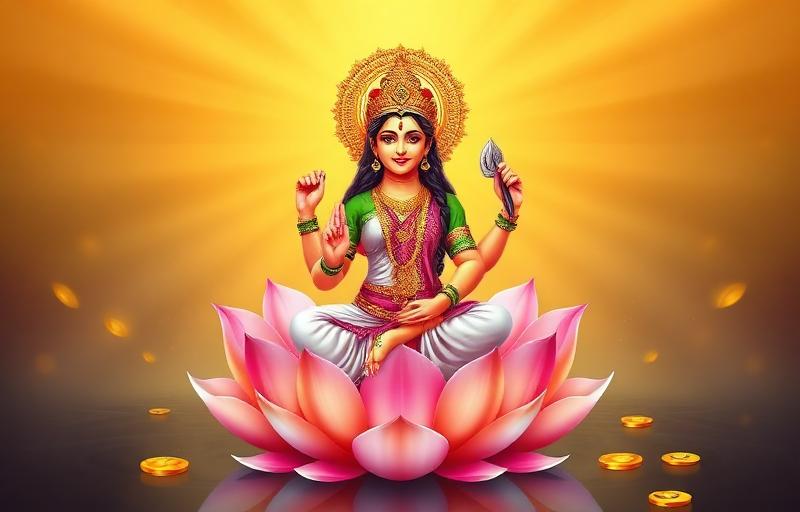
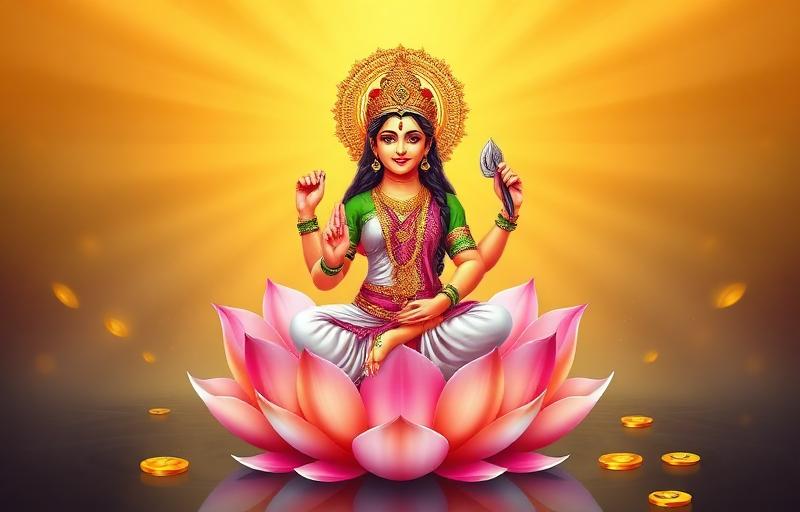
Because it follows the same direction as the movement of the sun and the planets, the Dakshinavarti Shankh is regarded as highly auspicious and a form of Goddess Lakshmi herself. It is said to have emerged, like Lakshmi, from the Samudra Manthan (churning of the ocean), which is why it is linked to wealth, fortune and divine blessing. It is usually kept for worship rather than blown.
Significance of the Dakshinavarti Shankh
- A form of Lakshmi: It is revered as a seat of Goddess Lakshmi, and where Lakshmi resides, Lord Vishnu's grace follows.
- Auspicious direction: Its right-turning spiral aligns with the natural movement of the cosmos, considered a flow of positive energy.
- Symbol of Vishnu: The shankh (Panchajanya) is one of the four emblems in Lord Vishnu's hands, so the conch is dear to him.
- The sound of Om: The conch's sound is associated with the primal vibration Om, said to purify the atmosphere.
- Purity and protection: Tradition holds that a genuine Dakshinavarti Shankh brings calm, positivity and an auspicious atmosphere into the home.
These are traditional beliefs held with faith; the shankh is honoured as a sacred symbol rather than a guaranteed bringer of any specific result.
Traditional Benefits for Wealth & Home
Devotees keep a Dakshinavarti Shankh for these traditionally believed blessings:
- Wealth and prosperity: As a form of Lakshmi, it is kept in the home or shop temple to invite abundance.
- Peace and positivity: It is believed to bring a calm, auspicious atmosphere and to reduce discord at home.
- Spiritual merit: Worshipping it daily is said to deepen devotion to Lakshmi and Vishnu.
- Auspicious beginnings: It is used in important pujas, Diwali and grih pravesh for blessings on new ventures.
A note of caution: Genuine Dakshinavarti Shankhs are rare and often imitated. Treat the shankh as a sacred object of devotion. No conch, however rare, replaces honest effort, good conduct and the grace of God - it is an aid to faith, not a shortcut to fortune.
How to Keep It & Puja Vidhi
1. Cleanse first: Wash the shankh with clean water, then with Gangajal, before placing it in worship for the first time. 2. Placement: Keep it on a clean red or yellow cloth in the puja sthan, ideally near the image of Lakshmi or Vishnu, with the opening facing upward. 3. Daily puja: Offer it haldi-kumkum, akshat, flowers and a ghee lamp along with the rest of your puja. 4. Mantra: Chant the Lakshmi mantra Om Shreem Hreem Shreem Mahalakshmyai Namah while worshipping it. 5. Friday and Diwali: It is given special worship on Fridays and at Diwali, the day most dear to Lakshmi. 6. Care: This conch is generally kept for puja and not blown. Keep it clean, handle it with respect, and do not place it directly on the bare floor.
Worship it with a sincere, grateful heart - that devotion, more than the object itself, is what tradition values most.
What People Ask Most
What is special about a Dakshinavarti Shankh?+
Its spiral opens towards the right, the same direction as the sun and planets, making it rare and highly auspicious. It is revered as a form of Goddess Lakshmi and is kept for worship rather than blown.
What are the traditional benefits of keeping it?+
It is traditionally believed to invite wealth and prosperity, bring a peaceful and positive atmosphere, and deepen devotion to Lakshmi and Vishnu. These are beliefs held with faith, not guaranteed outcomes, and never a substitute for honest effort.
Where should the Dakshinavarti Shankh be kept?+
Keep it on a clean red or yellow cloth in the puja sthan, near an image of Lakshmi or Vishnu, with the opening facing up. Do not place it on the bare floor, and handle it with cleanliness and respect.
Should the Dakshinavarti Shankh be blown like a regular conch?+
No, it is generally kept for worship and not blown. The Vamavarti (left-turning) conch is used for blowing during aarti, while the Dakshinavarti Shankh is honoured as a sacred form of Lakshmi in the puja sthan.
About the author
Pandit Mahesh Trivedi · Festival Traditions & Panchang
Pandit Mahesh leads the festival-date and Panchang content on Vandnaa. He cross-references multiple regional panchangs (Drik, Vaishnava, Bengali, Marathi) for every festival date published on the site.
Meet the Vandnaa editorial team →