What Are the Dashamahavidya?
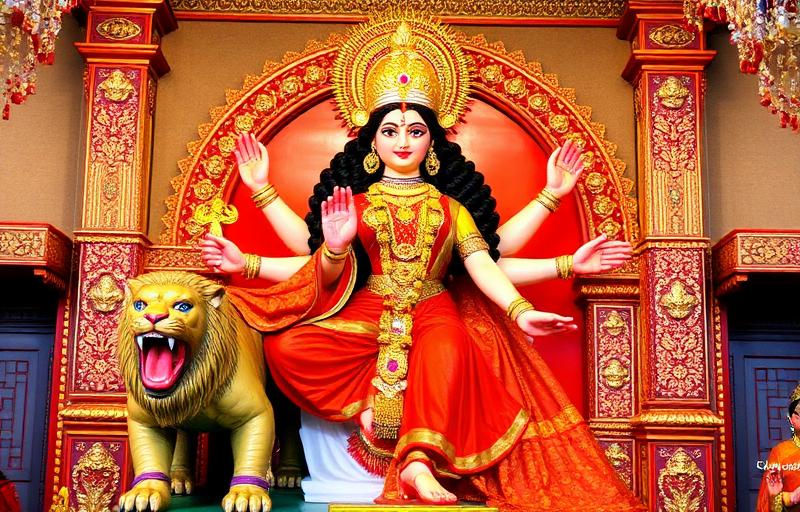
The Dashamahavidya (dasha = ten, maha = great, vidya = wisdom) are the ten great wisdom goddesses of the Shakta tradition. They are ten forms of the one Divine Mother (Adi Shakti), ranging from the fearsome to the most gentle and beautiful.
According to the Puranas, these ten forms emerged from Goddess Sati (Parvati) when Lord Shiva tried to stop her from attending her father Daksha's yajna. To assert her power, Sati manifested as ten radiant goddesses surrounding Shiva in every direction. Each Mahavidya represents a different face of cosmic truth - time, sound, beauty, the void, knowledge, sacrifice, stillness, restraint, speech and abundance. Together they teach that the same one Mother appears in countless forms, both terrifying and tender.
The 10 Mahavidyas, One by One
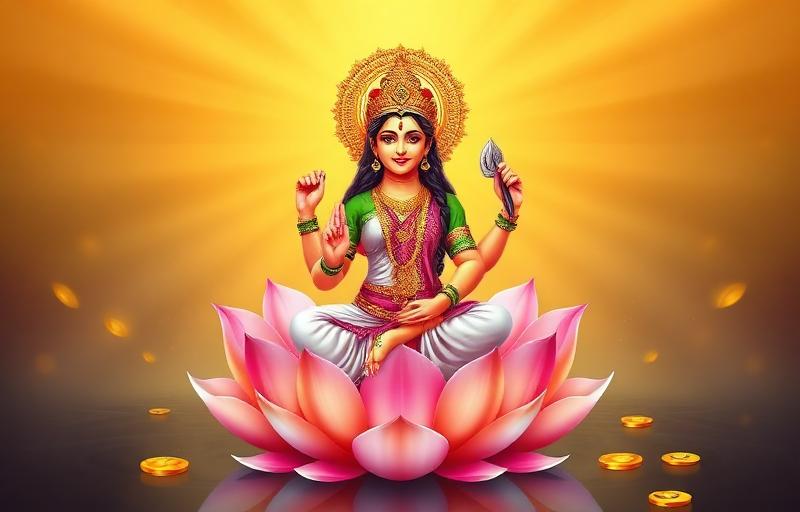
1. काली (Kali) - the goddess of time and transformation, who destroys ego and all evil; the first and foremost Mahavidya. 2. तारा (Tara) - the saviour who carries devotees across the ocean of difficulty; goddess of the primal sound. 3. त्रिपुर सुंदरी (Tripura Sundari) - also called Shodashi or Lalita, the goddess of supreme beauty and bliss of the three worlds. 4. भुवनेश्वरी (Bhuvaneshwari) - the mother of all worlds, ruler of the entire cosmos as her own body. 5. भैरवी (Bhairavi) - the fierce goddess of tapas (austerity) and the fire that burns away impurity. 6. छिन्नमस्ता (Chinnamasta) - the self-decapitated goddess, symbol of self-sacrifice and the courage to transcend the self. 7. धूमावती (Dhumavati) - the elder, smoke-coloured goddess of the void, dissolution and detachment. 8. बगलामुखी (Bagalamukhi) - the goddess who stills and restrains enemies and negative forces; giver of victory. 9. मातंगी (Matangi) - the goddess of speech, music, learning and the inner word; an outcaste form of Saraswati. 10. कमला (Kamala) - the lotus goddess of abundance, prosperity and well-being; the Tantric form of Lakshmi.
From Kali to Kamala, the ten move from the fiercest aspect of the Mother to the gentlest, showing the full range of the Divine Feminine.
The Deeper Significance
The Dashamahavidya teach a profound truth: the Divine Mother is not only sweet and gentle, but also dark, fierce and even terrifying - and all of it is sacred. Kali's darkness, Dhumavati's emptiness and Chinnamasta's self-sacrifice are not 'negative'; they are doorways to wisdom that the comfortable mind avoids.
Each Mahavidya is a path (vidya) to liberation through a particular truth - time, sound, beauty, space, fire, sacrifice, void, restraint, word and abundance. The tradition reminds the seeker that growth often comes through what we fear, and that the same Mother who blesses with wealth (Kamala) also strips away the ego (Kali). They are not ten separate goddesses but ten faces of one supreme Shakti.
Note: Several Mahavidya practices are deeply Tantric and are traditionally undertaken only under the guidance of a qualified guru.
How They Are Worshipped

- For most devotees: Simple, loving worship of any Mahavidya - especially Kali, Tara or Kamala - with a lamp, flowers and her mantra, recited with a pure heart, is safe and beneficial.
- Navratri: The Mahavidyas are remembered during Navratri and on Devi tithis such as Ashtami.
- Mantra: Each goddess has her own bija (seed) mantra and dhyana shloka; for general devotion, the simple invocation of her name with Om and namah is enough.
- Guidance: The more intense Tantric sadhanas (especially for Chinnamasta, Dhumavati, Bagalamukhi and Matangi) should be undertaken only with a qualified guru, the right initiation and discipline.
For the everyday devotee, the heart of the practice is reverence for the Mother in all her forms - trusting that even her fierce faces lead to grace.
Reader Questions Answered
What are the 10 Mahavidyas in order?+
The Dashamahavidya in their usual order are Kali, Tara, Tripura Sundari (Shodashi), Bhuvaneshwari, Bhairavi, Chinnamasta, Dhumavati, Bagalamukhi, Matangi and Kamala. They move from the fiercest to the gentlest form of the Mother.
Are the Mahavidyas separate goddesses?+
No. The ten Mahavidyas are ten forms or faces of the one Divine Mother (Adi Shakti). Each reveals a different aspect of cosmic truth, but all are the same supreme Goddess.
Can ordinary devotees worship the Mahavidyas?+
Yes, simple loving worship of forms like Kali, Tara or Kamala with a lamp, flowers and her name is safe and beneficial. The more intense Tantric sadhanas, however, should be done only under a qualified guru's guidance.
Why is Kali the first Mahavidya?+
Kali represents time (kala) and the ultimate power that dissolves all forms back into the formless. As the goddess who destroys ego and evil, she is considered the foremost and root of the ten Mahavidyas.
About the author
Anjali Mehta · Editor, M.A. Religious Studies
Anjali is the managing editor for Vandnaa and oversees the festival and vrat coverage. She holds an M.A. in Religious Studies and reviews every published article for accuracy, accessibility, and tradition-fidelity.
Meet the Vandnaa editorial team →