Two Words at the Heart of Spirituality
Atma and Paramatma are two of the most important words in Hindu thought, and confusing them is common. Atma means the soul or true self within an individual being, also called the jivatma. Paramatma means the Supreme Self, the one universal consciousness, also known as Brahman or Ishwara. Understanding how they relate is the very heart of Vedanta and the spiritual journey.
What Is Atma
Atma is the eternal, conscious self that gives life to the body and mind. It is not the body, the senses, the mind or the intellect, but the pure awareness that witnesses them all. The Bhagavad Gita (Chapter 2, verse 23) teaches that the atma cannot be cut, burned, wetted or dried - it is unborn, deathless and unchanging. When housed in a body, the individual soul is called the jivatma.
What Is Paramatma
Paramatma is the Supreme Self, the infinite consciousness that pervades and sustains the entire universe. It is Brahman, beyond name, form, birth and death, and yet present everywhere and in every heart. As Ishwara, the Paramatma is the inner controller and the witness who resides within each living being. The Gita (Chapter 13, verses 22 and 27 onward) speaks of the Paramatma dwelling in the body as the supreme witness, the permitter and the great Lord.
The Wave and the Ocean
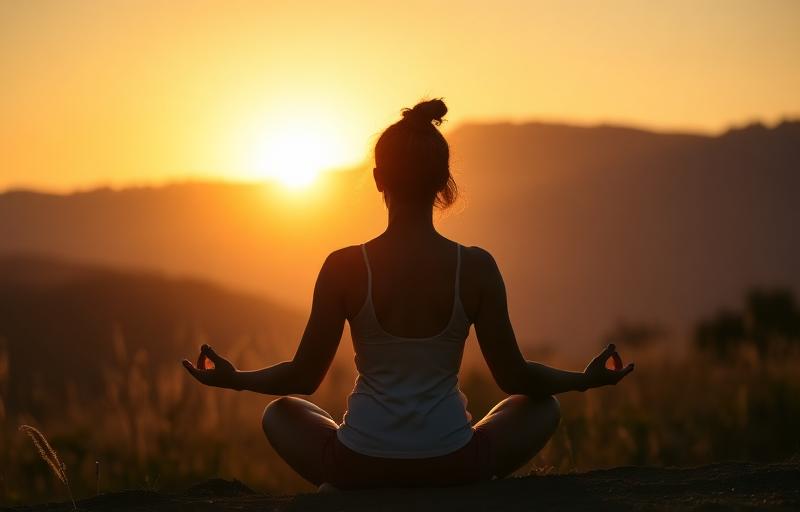
The classic analogy is the wave and the ocean. A wave appears separate, with its own shape and name, yet it is nothing but the ocean itself. In the same way, the atma seems individual and limited, but its essence is the one Paramatma. The wave is not the whole ocean, yet it is not different from it in substance. When the wave settles, it realises it was always the ocean - just as the soul, on awakening, knows its oneness with the Supreme.
Key Differences at a Glance
Atma (jivatma): individual soul; appears limited by body, mind and karma; takes birth and rebirth until liberation. Paramatma: the Supreme Self; infinite and unlimited; free from karma, birth and death; the witness within all. The atma is part of the Paramatma in the sense of sharing its consciousness, like a spark from a fire. The Gita (Chapter 15, verse 7) says the jivatma is an eternal fragment (amsha) of the Lord - distinct in experience yet one in essence.
How the Schools of Vedanta See It
The schools of Vedanta differ subtly. Advaita (Adi Shankaracharya) holds that atma and Paramatma are ultimately one and the same, and separateness is only an illusion (maya). Vishishtadvaita (Ramanujacharya) holds that the soul is real and is a part of the Supreme, yet dependent on Him. Dvaita (Madhvacharya) holds that the soul and the Supreme are eternally distinct yet intimately related. All agree that the goal is to know and reach the Paramatma.
Why This Understanding Matters

Knowing the difference between atma and Paramatma changes how you live. When you remember that your true self is the deathless atma, fear of death and attachment to the body loosen. When you remember that the same Paramatma dwells in every being, you treat all with love and respect. Self-knowledge and devotion are simply two paths to the same realisation - that the wave was never apart from the ocean.
Reader Questions Answered
What is the difference between atma and Paramatma?+
Atma is the individual soul (jivatma) within a being, while Paramatma is the Supreme Self or Brahman that dwells in all. The atma seems limited by body and karma, but the Paramatma is infinite and free. They relate like a wave to the ocean.
What is the wave and ocean analogy?+
A wave looks separate with its own shape and name, but it is nothing but the ocean. Likewise the atma seems individual but its essence is the one Paramatma. The wave is not the whole ocean, yet not different from it in substance.
Does the Bhagavad Gita explain atma and Paramatma?+
Yes. Chapter 2 describes the atma as unborn and deathless. Chapter 13 speaks of the Paramatma dwelling in the body as the supreme witness, and Chapter 15, verse 7, calls the jivatma an eternal fragment (amsha) of the Lord.
Is the atma the same as the body or mind?+
No. The atma is not the body, senses, mind or intellect. It is the pure, eternal awareness that witnesses all of them and gives them life. The body changes and dies, but the atma is unchanging and deathless.
Do all schools of Vedanta agree on this?+
They differ subtly. Advaita says atma and Paramatma are ultimately one. Vishishtadvaita says the soul is a real part of the Supreme yet dependent on Him. Dvaita says they are eternally distinct yet related. All agree the goal is to reach the Paramatma.
How does knowing this difference help in daily life?+
When you remember your true self is the deathless atma, fear and attachment loosen. When you remember the same Paramatma dwells in every being, you treat all with love and respect, making both self-knowledge and devotion practical guides to living.
About the author
Anjali Mehta · Editor, M.A. Religious Studies
Anjali is the managing editor for Vandnaa and oversees the festival and vrat coverage. She holds an M.A. in Religious Studies and reviews every published article for accuracy, accessibility, and tradition-fidelity.
Meet the Vandnaa editorial team →Explore on Vandnaa
Related Articles
Bhagavad Gita - All 18 Chapters Summary & Key Teachings
10 min read

Difference Between Puja, Havan and Yagna - A Clear Guide
9 min read
Gayatri Mantra Meaning, Benefits & How to Chant (गायत्री मंत्र)
12 min read
Om Namah Shivaya Mantra Benefits & Meaning (ॐ नमः शिवाय)
9 min read
Vishnu Sahasranama: The 1000 Names of Vishnu - Meaning, Benefits & Daily Recitation Vidhi
12 min read
108 Names of Lord Krishna: Complete List with Meaning, Benefits & How to Chant Daily
12 min read