Diwali - A Five-Day Festival of Light
Diwali, or Deepavali, is the festival of lights celebrating the victory of light over darkness and knowledge over ignorance. It is not just one night but a five-day celebration beginning with Dhanteras and ending with Bhai Dooj. Each day honours a different deity and tradition - wealth, cleansing, the great Lakshmi Puja, gratitude to nature and the bond of brothers and sisters. Together they form a complete journey of prosperity, purity and family love.
When the Five Days Fall
The five days span from the Trayodashi of Kartik Krishna Paksha to the Dwitiya of Kartik Shukla Paksha, with Lakshmi Puja on the Amavasya (new moon). In the Gregorian calendar this usually falls in October or November. The main Lakshmi Puja is performed in the evening during a specific Pradosh and Sthir Lagna muhurat. Always confirm the exact dates and Lakshmi Puja muhurat for your city on the Vandnaa Panchang.
Day 1 - Dhanteras (Dhantrayodashi)
Falling on Kartik Krishna Trayodashi, Dhanteras honours Lord Dhanvantari, the divine physician who emerged with the nectar of immortality, and Maa Lakshmi. 1. Clean the home and entrance and draw rangoli. 2. Buy gold, silver, utensils or new items, considered auspicious on this day. 3. In the evening, light a lamp and worship Lakshmi, Kubera and Dhanvantari. 4. Light a Yama deepak at the doorstep for the protection of the household.
Day 2 - Narak Chaturdashi (Choti Diwali)
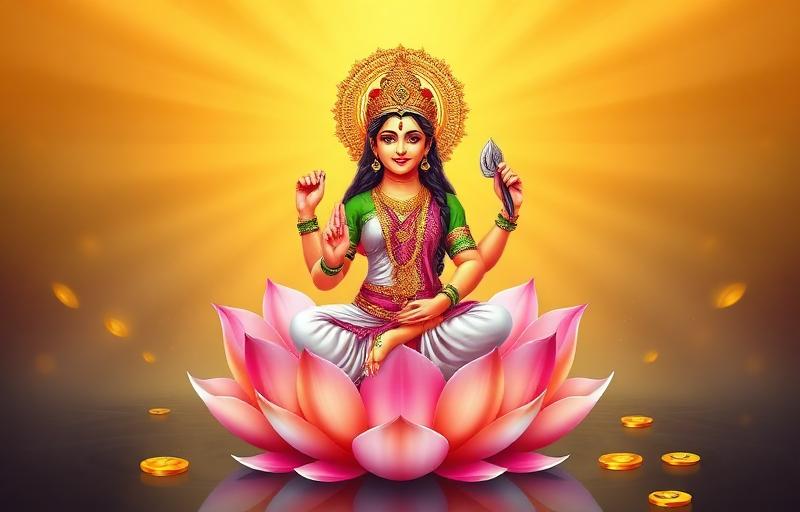
On Kartik Krishna Chaturdashi, also called Choti Diwali, devotees recall Lord Krishna's victory over the demon Narakasura, freeing sixteen thousand captives. 1. Wake before sunrise and perform Abhyang Snan - a ritual bath with oil and ubtan to wash away impurity. 2. Light a Yama deepak in the evening to ward off untimely death. 3. Light a few lamps and decorate the home as a prelude to the main Diwali night.
Day 3 - Lakshmi Puja (Diwali, Amavasya)
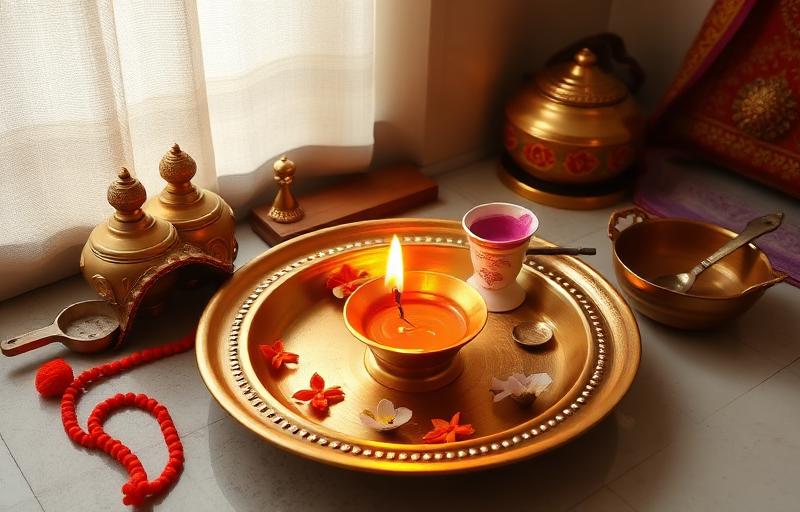
The main Diwali night falls on Kartik Amavasya, when Maa Lakshmi and Lord Ganesha are worshipped for wealth, wisdom and well-being. It also celebrates Lord Rama's return to Ayodhya after defeating Ravana. 1. Clean the home thoroughly and draw rangoli; light rows of diyas. 2. Set up the puja with idols of Lakshmi and Ganesha, kalash, coins and account books. 3. During the evening muhurat, offer lotus, kheel-batashe, sweets and a ghee lamp. 4. Recite the Lakshmi Aarti and Lakshmi Chalisa, then welcome the Goddess into a bright, open home.
Day 4 - Govardhan Puja & Day 5 - Bhai Dooj
On Kartik Shukla Pratipada, Govardhan Puja (Annakut) recalls how Lord Krishna lifted the Govardhan hill to shelter the people of Vrindavan, teaching gratitude to nature. Devotees make a small hill of cow dung or food and offer Annakut - a mountain of varied dishes - to Krishna. On Kartik Shukla Dwitiya, Bhai Dooj celebrates the bond of brothers and sisters. Sisters apply a tilak, pray for their brothers' long life, and brothers offer gifts and a promise of protection.
Significance and Benefits
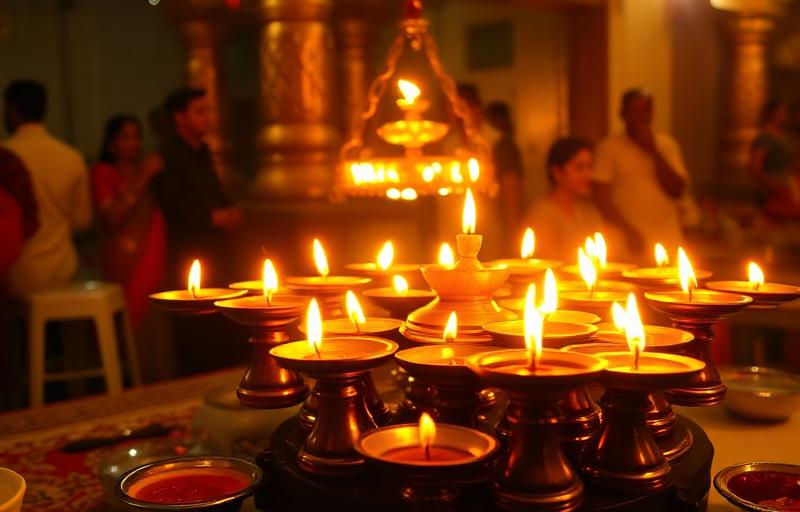
The five days of Diwali together cleanse the home and heart, invite prosperity through Lakshmi, protect the household through Yama deepak, express gratitude to nature, and strengthen family bonds. Lighting lamps drives away inner and outer darkness, while honest worship of Lakshmi alongside Ganesha is believed to bring wealth that is both abundant and rightly used.
Frequently Asked Questions
Why is Diwali celebrated for five days?+
Each of the five days honours a different deity and tradition - Dhanteras, Narak Chaturdashi, Lakshmi Puja, Govardhan Puja and Bhai Dooj - together forming a complete celebration of prosperity, purity and family love.
On which day is the main Lakshmi Puja done?+
The main Lakshmi Puja is on Kartik Amavasya, the third and central day of Diwali. It is performed in the evening during a specific muhurat. Confirm the timing on the Vandnaa Panchang.
What is bought on Dhanteras?+
It is considered auspicious to buy gold, silver, new utensils or other valuable items on Dhanteras, as it honours Lakshmi and Dhanvantari and is believed to invite year-long prosperity.
What is Govardhan Puja or Annakut?+
Govardhan Puja recalls Krishna lifting the Govardhan hill to protect Vrindavan. Devotees offer Annakut, a mountain of varied dishes, to Krishna as an expression of gratitude to nature.
What is the significance of Bhai Dooj?+
Bhai Dooj celebrates the bond between brothers and sisters. Sisters apply tilak and pray for their brothers' long life, while brothers offer gifts and a promise of lifelong protection.
Why are lamps lit during Diwali?+
Lamps symbolise the victory of light over darkness and knowledge over ignorance. They welcome Maa Lakshmi into a bright home and recall Lord Rama's return to Ayodhya, lit by rows of diyas.
About the author
Pandit Mahesh Trivedi · Festival Traditions & Panchang
Pandit Mahesh leads the festival-date and Panchang content on Vandnaa. He cross-references multiple regional panchangs (Drik, Vaishnava, Bengali, Marathi) for every festival date published on the site.
Meet the Vandnaa editorial team →Explore on Vandnaa
Related Articles
Narak Chaturdashi (Choti Diwali) 2026 - Vidhi
8 min read
Lakshmi Aarti Lyrics – Om Jai Lakshmi Mata (लक्ष्मी आरती)
8 min read
Lakshmi Chalisa - Lyrics, Meaning, Benefits & Jap Vidhi
9 min read
Krishna Aarti Lyrics in Hindi & English - Aarti Kunj Bihari Ki
9 min read
Home Mandir Setup - Direction, Vastu Rules, Dos and Don'ts
9 min read
108 Names of Lord Krishna: Complete List with Meaning, Benefits & How to Chant Daily
12 min read