The Diya in Hindu Worship
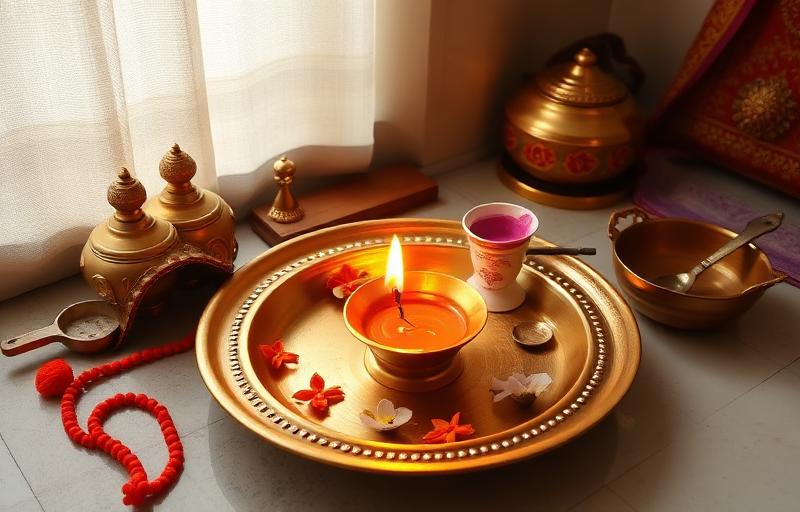
A diya, or deepak, is a small lamp, traditionally made of clay, brass or silver, filled with ghee or oil and lit with a cotton wick. It is one of the very first things placed and lit at the start of almost every Hindu puja, whether in a grand temple or a modest home altar.
The lighting of a diya is such a central part of worship that many devotees consider a puja incomplete without at least one lamp burning before the deity.
Origins and the Symbolism of Light
The offering of light, known as deepa daan, is an ancient practice described across Hindu tradition as a meritorious act. Light has long been used as a symbol of knowledge overcoming ignorance, and of good overcoming darkness, an idea echoed in the well-known Upanishadic prayer Asato Ma Sadgamaya, Tamaso Ma Jyotirgamaya - "lead me from untruth to truth, from darkness to light".
By lighting a diya before the deity, a devotee is symbolically offering this same movement, from ignorance toward wisdom, from darkness toward the divine light within and beyond.
Types of Diyas and Their Symbolism
- Akhand Jyot - a lamp kept continuously burning, often through a vrat or festival, symbolising unbroken devotion
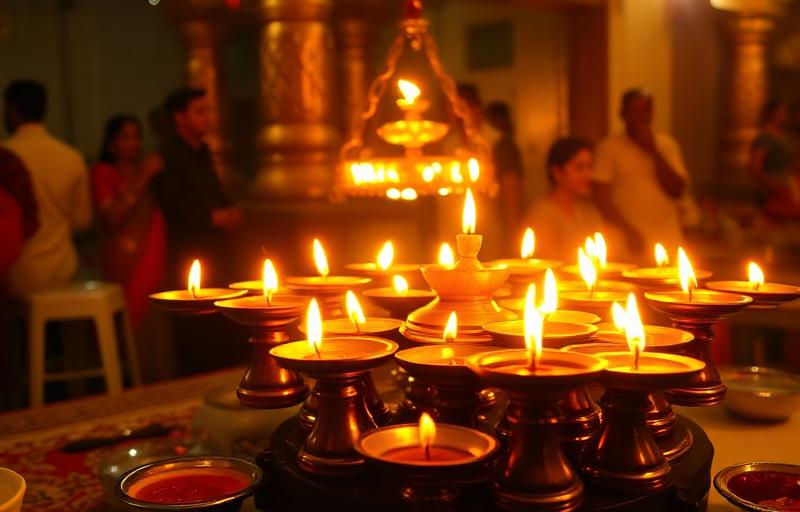
- Aarti diya - a multi-wick lamp used specifically for performing aarti, moved in a circular motion before the deity
- Simple clay diyas - used widely during Diwali and other festivals, lit in rows around the home
Tradition also sees the diya as bringing together the five elements, the earthen lamp for earth, the oil for water, the flame for fire, the surrounding air feeding the flame, and the space the light fills, making it a small but complete offering.
How a Diya Is Lit for Puja
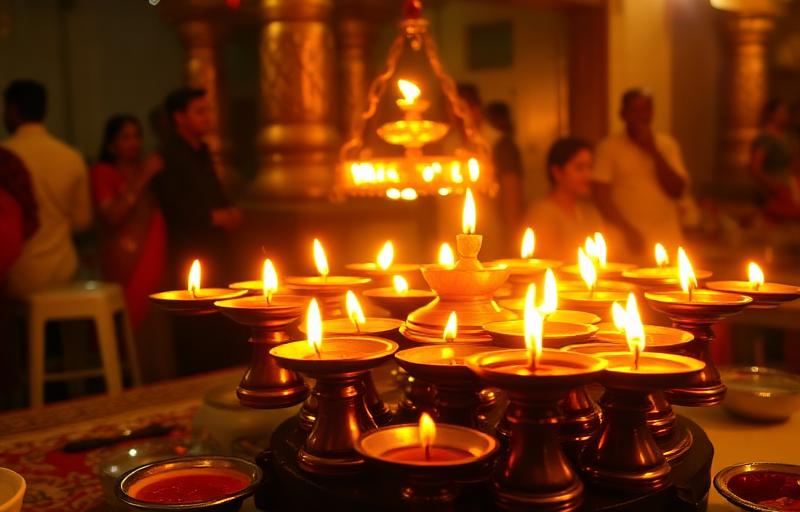
Before lighting, the diya is cleaned and filled with ghee or oil, and a fresh cotton wick is placed in it. It is usually lit facing the deity and placed to the devotee's right or directly in front of the altar, though customs vary slightly by region and family.
Many devotees light the diya while reciting a short prayer or the name of their chosen deity, and during aarti, the lit lamp is gently waved in a circular motion before the deity as the aarti song or mantra is sung.
A Simple Daily Takeaway
Whatever the size of the lamp, tradition holds that a diya lit with sincerity carries the same significance as one lit in the grandest temple. It stands as a daily, humble reminder that a devotee's own small effort, however modest, can hold real meaning.
Worship is an act of faith and love, not a transaction.
Common Questions From Devotees
Why is a diya considered essential in puja?+
A diya is considered essential because light is regarded as a symbol of knowledge and the divine overcoming darkness and ignorance, so lighting one is seen as a meaningful, traditional way to begin worship.
What is an akhand jyot?+
An akhand jyot is a lamp kept burning continuously, often for the duration of a vrat or festival, symbolising unbroken and steady devotion toward the deity.
What is traditionally used to fill a diya?+
A diya is traditionally filled with ghee or a plant-based oil such as sesame oil, with a cotton wick placed in it before lighting.
About the author
Pandit Mahesh Trivedi · Festival Traditions & Panchang
Pandit Mahesh leads the festival-date and Panchang content on Vandnaa. He cross-references multiple regional panchangs (Drik, Vaishnava, Bengali, Marathi) for every festival date published on the site.
Meet the Vandnaa editorial team →