Durga Saptashati: A Brief Introduction
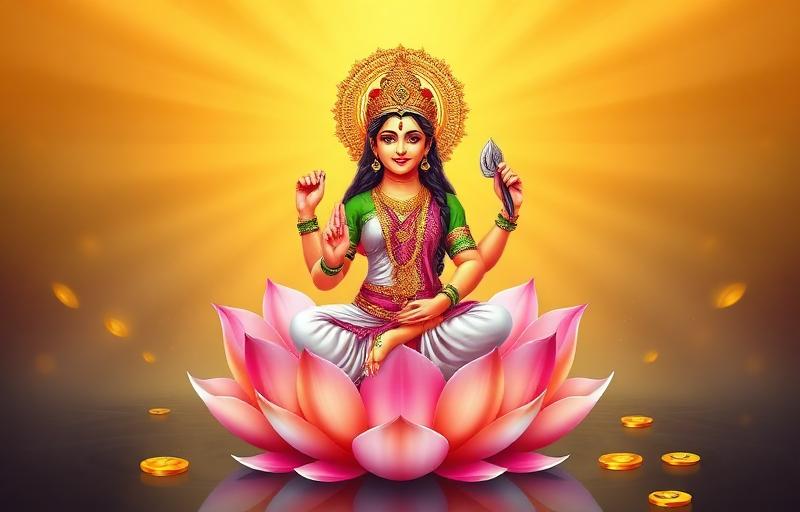
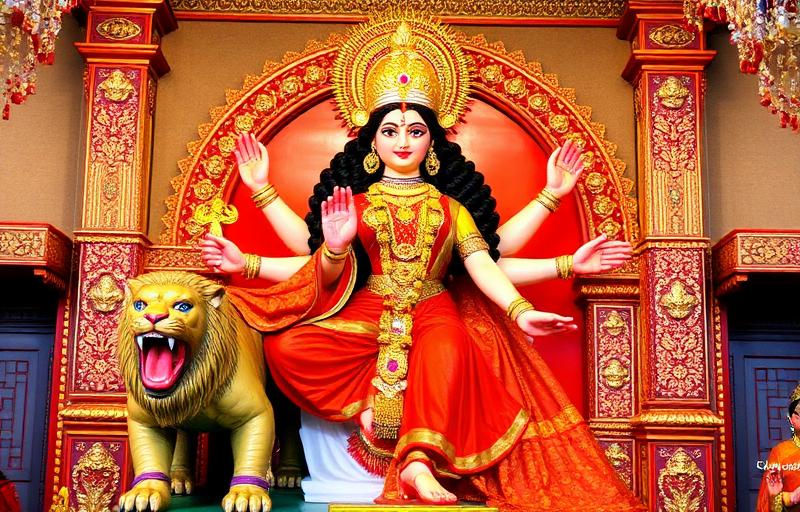
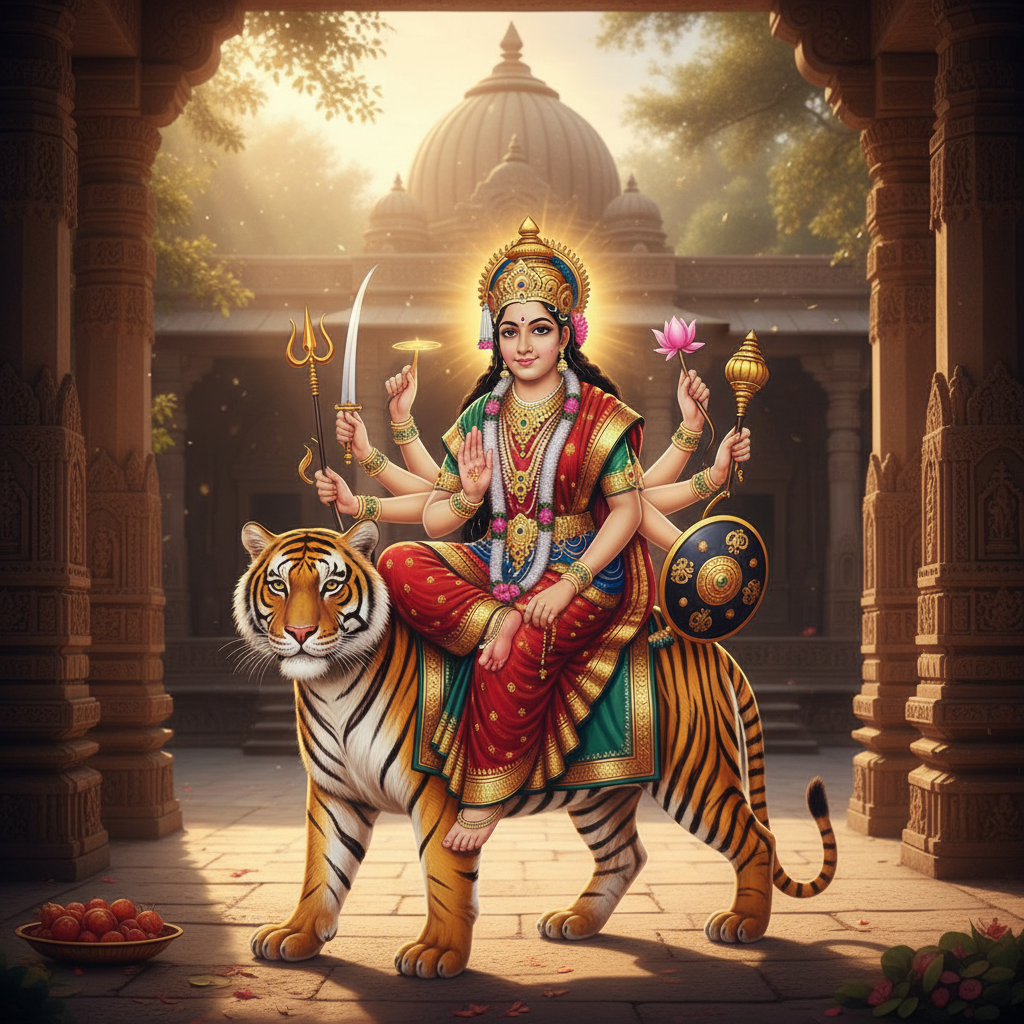
Durga Saptashati, also known as Devi Mahatmyam or Chandi Path, is a text of seven hundred verses spread across thirteen chapters that glorify the Goddess and her victory over the demons Madhu-Kaitabh, Mahishasura and Shumbha-Nishumbha. It is considered one of the most powerful texts in Devi worship and is recited widely during Navratri.
This piece is not about the meaning of its verses, that is a separate study in itself, but about the path vidhi, the correct way, time and sequence in which the recitation is traditionally done, so that the practice stays true to what has been handed down.
Best Time and Days for the Path
Navratri, both Sharad and Chaitra, is considered the most appropriate period for a complete recitation of Durga Saptashati, with Ashtami and Navami holding special significance. Many devotees also do the path on Tuesdays and Fridays, or on any auspicious date they begin with a personal sankalp.
Early morning, in the Brahma muhurta before sunrise, or the quiet hours of evening are considered the best hours in the day. Consistency in choosing a time and returning to it daily during the days of the path matters more than which exact hour is chosen.
Preparation: Purity, Seating and Sankalp
Before beginning, take a bath and wear clean clothes, ideally simple and freshly washed. Sit on a personal aasan, a small mat of cotton, wool or kush grass, rather than directly on the floor, facing east or north.
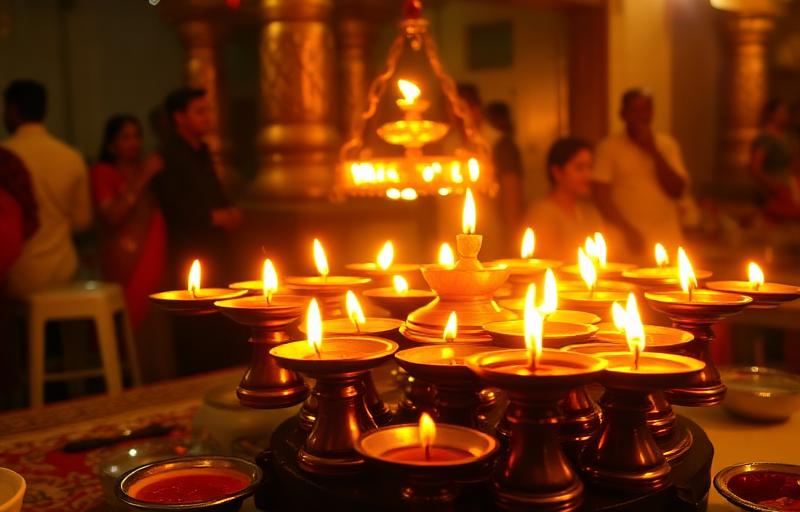
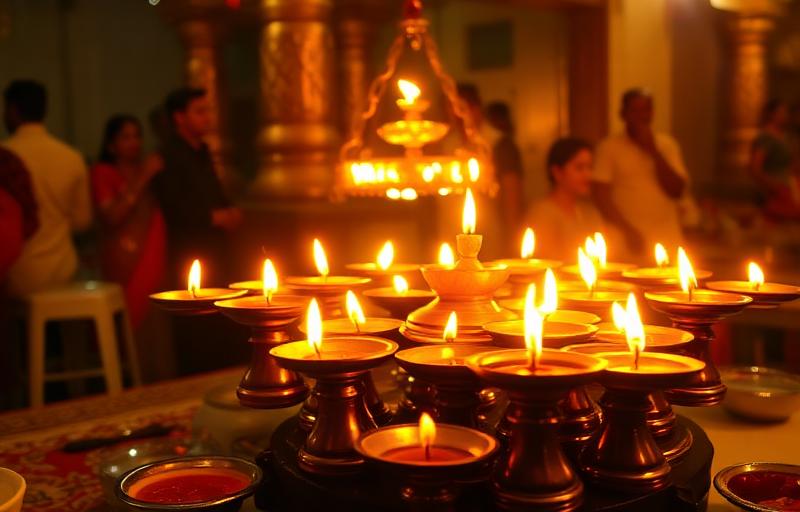
Keep a lamp lit, a picture or idol of the Goddess before you, and the book placed on a clean cloth or a small stand rather than directly on the bare floor. Begin with a short sankalp, a mental resolve stating your intention for the path, before turning the first page.
The Correct Sequence: Anga Stotras and the Thirteen Chapters
Tradition places certain anga stotras, the supporting hymns, before the main text: the Kavach, Argala Stotra and Keelak Stotra are recited first, followed by the thirteen chapters in their given order. Devotees who know the practice well also add the Devi Suktam or Ratri Suktam at appropriate points.
Where possible, the full path is completed in a single sitting. If that is not practical, it may be spread across the nine days of Navratri, with the reading resuming from a fresh chapter each day and not broken off in the middle of a chapter once started. Once begun as a nine-day practice, most traditions hold that it should be completed rather than left incomplete.
Niyam to Observe and Common Mistakes to Avoid
During the days of the path, many devotees follow a simple, sattvic routine, avoiding non-vegetarian food and alcohol, keeping speech and conduct restrained, and treating the days as a small vrat rather than an ordinary routine.
- Do not begin the nine-day path without the intention to complete it
- Avoid rushing through verses just to finish quickly, unclear or hurried recitation defeats the purpose
- Keep the book and seat reserved only for this practice during the days of the path
- If following the practice as a family or in a group, agree beforehand on the pace so no one is left rushing
- Women may follow their own family or regional tradition regarding a pause during this period, there is no single rule that applies to everyone
Benefits and the Real Takeaway
Devotees who recite Durga Saptashati with sincerity describe a sense of protection, courage and steadiness that carries them through difficult periods. It is regarded as an invocation of the Goddess's own strength into the reciter's life.
But the deeper takeaway of the path vidhi is this: the discipline of showing up at the same time, in the same posture, with the same attention each day, is itself a form of devotion. A shorter path done with full attention holds more meaning than a long one rushed through carelessly.
Frequently Asked Questions
Can Durga Saptashati be recited on days other than Navratri?+
Yes. While Navratri is considered the most significant period, many devotees recite it on Tuesdays, Fridays, or any day they begin with a sincere sankalp, following the same vidhi.
What if I cannot finish the full path in one sitting?+
It can be spread across the nine days of Navratri, reading complete chapters each day. The general guidance is to avoid stopping in the middle of a chapter once it is started.
Do I need to know Sanskrit to recite it correctly?+
It helps to learn the pronunciation from a knowledgeable reciter or a reliable audio recording, especially for the anga stotras, but sincere devotion and steady practice matter as much as scholarly perfection.
About the author
Acharya Vinaya Kapoor · M.A. Sanskrit, Mantra & Stotra Studies
Acharya Vinaya holds an M.A. in Sanskrit from Banaras Hindu University and writes the mantra and stotra commentary on Vandnaa. Her focus is on accurate pronunciation, traditional context, and helping modern readers connect with classical texts.
Meet the Vandnaa editorial team →