What Are the Vedas
The Vedas are the oldest and most authoritative scriptures of Sanatan Dharma, regarded as apaurusheya - not authored by any human but revealed to the rishis in deep meditation. The word Veda comes from the root vid, meaning to know, so the Vedas are pure, eternal knowledge. They are also called Shruti, that which was heard, and form the foundation on which all later Hindu thought, ritual and philosophy rests.
Rig Veda - Hymns of Praise
The Rig Veda is the oldest of the four and a collection of suktas (hymns) in praise of the divine powers such as Agni, Indra, Varuna, Surya and Ushas. Its verses are poetic prayers that celebrate the order and beauty of creation. The famous Gayatri Mantra comes from the Rig Veda, and many mantras used in daily worship today are rooted in its hymns.
Yajur Veda and Sama Veda
The Yajur Veda is the Veda of yajna (ritual), containing the prose formulas and instructions a priest recites while performing sacrifices and ceremonies. The Sama Veda is the Veda of melody and chant - it takes verses largely from the Rig Veda and sets them to musical notes for singing during rituals. Sama is considered the source of Indian classical music, showing how devotion and music have always been intertwined.
Atharva Veda - Knowledge for Daily Life

The Atharva Veda is closest to everyday human life. Alongside hymns to the divine, it contains prayers and chants for health, healing, protection, prosperity, harmony in the home and peace in the community. It reflects the practical wisdom of the rishis, showing that the sacred and the everyday were never separate. Early ideas about ayurveda (the science of life) are linked to this Veda.
How Each Veda Is Structured
Each of the four Vedas is divided into four parts. The Samhita is the core collection of hymns and mantras. The Brahmana explains the rituals and their meaning. The Aranyaka (forest texts) bridges ritual and contemplation, and the Upanishad contains the deepest philosophy on the soul, Brahman and liberation. Together these layers move the seeker from outer worship to inner realisation.
Spiritual Meaning of the Vedas
The Vedas teach that one truth is described in many forms - Ekam sat vipra bahudha vadanti, the wise call the one reality by many names. They guide humanity to live in harmony with rita, the cosmic order, through truth, gratitude and right action. Their ultimate aim, expressed in the Upanishads, is moksha - the realisation that the inner self and the supreme reality are one.
Why the Vedas Matter Today
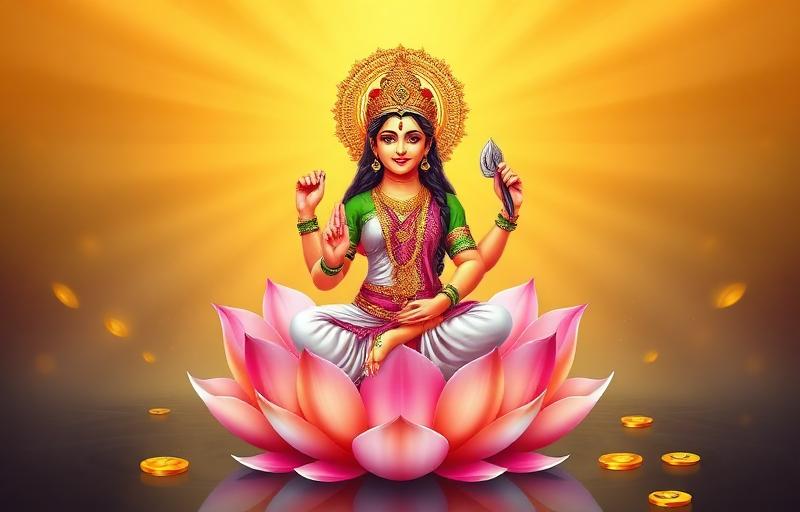
Even today, the mantras chanted in temples, weddings, havans and daily puja come from the Vedas, making them a living part of devotional life. Their teachings on truth, balance, respect for nature and inner peace remain timeless guidance for modern life. You do not need to read every verse - reciting a single Vedic mantra like the Gayatri with understanding connects you to this ancient stream of knowledge.
Frequently Asked Questions
What are the four Vedas?+
The four Vedas are the Rig Veda (hymns of praise), Yajur Veda (rituals), Sama Veda (chants and music) and Atharva Veda (knowledge for daily life and healing). Together they form the foundation of Sanatan Dharma.
Which is the oldest Veda?+
The Rig Veda is the oldest of the four Vedas. It is a collection of poetic hymns praising the divine powers, and the famous Gayatri Mantra is taken from it.
What are the four parts of each Veda?+
Each Veda has four parts - the Samhita (hymns and mantras), the Brahmana (ritual explanation), the Aranyaka (forest texts) and the Upanishad (deep philosophy on the soul and liberation).
Why is the Sama Veda special?+
The Sama Veda sets Vedic verses to musical notes for chanting during rituals and is considered the source of Indian classical music. It shows how devotion and music have always been deeply connected.
Are the Vedas considered written by humans?+
No. The Vedas are regarded as apaurusheya, meaning not authored by any human but revealed to the rishis in deep meditation. They are called Shruti, that which was heard.
Are the Vedas relevant in daily life today?+
Yes. The mantras used in puja, havan, weddings and temples come from the Vedas, and their teachings on truth, balance and inner peace remain timeless guidance for modern life.
About the author
Anjali Mehta · Editor, M.A. Religious Studies
Anjali is the managing editor for Vandnaa and oversees the festival and vrat coverage. She holds an M.A. in Religious Studies and reviews every published article for accuracy, accessibility, and tradition-fidelity.
Meet the Vandnaa editorial team →Explore on Vandnaa
Related Articles

The Four Ashramas of Life in Hinduism Explained
10 min read
The 14 Lokas (Worlds) in Hinduism Explained
10 min read
What is Yagna (Yajna) - Significance & Types
10 min read
Gayatri Mantra Meaning, Benefits & How to Chant (गायत्री मंत्र)
12 min read

Bhagavad Gita - All 18 Chapters Summary & Key Teachings
10 min read
Moksha & the 4 Purusharthas - Dharma, Artha, Kama, Moksha
9 min read