What Is the Ashrama System
The ashrama system is the Hindu vision of life as a journey through four natural stages, each lasting roughly a quarter of a full lifespan. The word ashrama comes from shram, meaning effort, so each stage is a phase of purposeful effort toward growth. Together the four ashramas guide a person from learning, to family and service, to gradual detachment, and finally to spiritual freedom.
Brahmacharya - The Student Stage
Brahmacharya is the first stage, the time of the student. Traditionally it began in childhood, when the young person lived with a guru to study the scriptures, develop discipline and build good character. It is marked by self-control, simplicity and respect for teachers. This stage lays the foundation of knowledge and values on which the rest of life is built.
Grihastha - The Householder Stage
Grihastha is the householder stage, entered through marriage. Here a person raises a family, earns an honest living, serves society and supports the other ashramas. It is considered the most important stage because it sustains everyone else - students, renunciants and guests all depend on the householder. In this stage one pursues artha (livelihood) and kama (desire) within the bounds of dharma.
Vanaprastha - Gradual Retirement
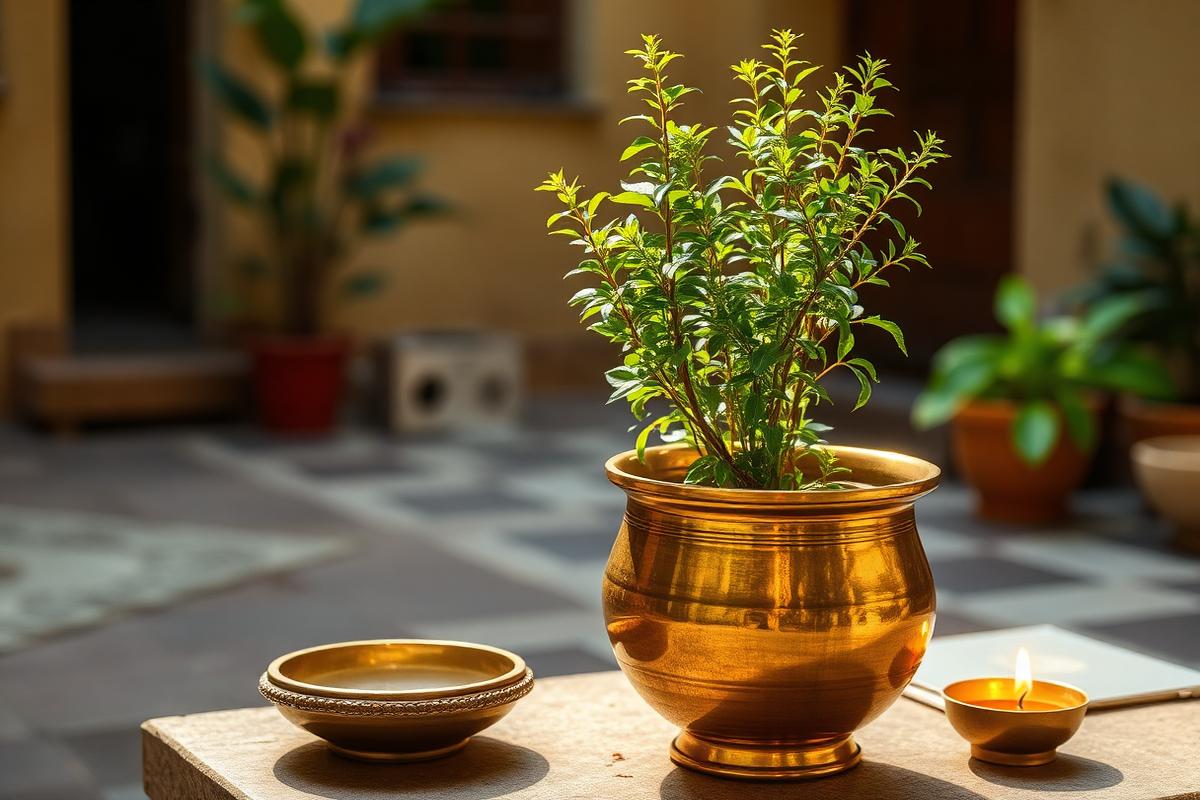
Vanaprastha means forest-dweller and marks the stage of gradual withdrawal. After fulfilling family duties, often once grandchildren arrive, a person slowly hands over responsibilities and turns more toward spiritual practice, study and reflection. It is not abandoning the family but loosening attachment, simplifying life and preparing the mind for a higher goal while still offering guidance to the younger generation.
Sannyasa - Renunciation
Sannyasa is the final stage of complete renunciation, in which a person gives up worldly attachments to devote themselves entirely to God and the search for moksha (liberation). The sannyasi lives simply, free of possessions and roles, seeing the divine in all and treating all beings with equal compassion. This stage is the culmination of life's journey, where outer duties dissolve into inner freedom.
Ashramas, Dharma and the Purusharthas
The four ashramas are designed to fulfil the four purusharthas - dharma (righteousness), artha (prosperity), kama (desire) and moksha (liberation) - in a balanced way across a lifetime. Rather than chasing everything at once, a person honours each goal in its proper season. The system shows the deep Hindu wisdom that worldly duty and spiritual growth are not opposites but stages of one continuous journey.
What the Ashramas Teach Us Today

Few people today live the ashramas literally, but their wisdom is timeless. They teach us to give full focus to learning when young, to balance work, family and service in midlife, to slowly let go of ego and possessions as we age, and to keep the spiritual goal always in view. The deeper lesson is that life has seasons, and peace comes from honouring each one.
Common Questions From Devotees
What are the four ashramas of life?+
The four ashramas are Brahmacharya (student stage), Grihastha (householder stage), Vanaprastha (gradual retirement) and Sannyasa (renunciation). They divide life into four stages with distinct duties and goals.
Which ashrama is considered the most important?+
Grihastha, the householder stage, is considered the most important because it sustains all the others. Students, renunciants and guests all depend on the support of the householder.
What does Brahmacharya mean?+
Brahmacharya is the student stage, traditionally spent with a guru studying scriptures and building discipline and character. It is marked by self-control, simplicity and respect for teachers.
Is Vanaprastha about abandoning the family?+
No. Vanaprastha is gradual withdrawal, not abandonment. A person hands over responsibilities, simplifies life and turns toward spiritual practice while still guiding the younger generation.
How do the ashramas relate to the purusharthas?+
The ashramas help fulfil the four purusharthas - dharma, artha, kama and moksha - in a balanced way across a lifetime, honouring each goal in its proper stage rather than chasing all at once.
Are the ashramas still relevant today?+
Yes. Though few live them literally, their wisdom teaches us to focus on learning when young, balance work and family in midlife, and gradually let go of attachment with age, keeping the spiritual goal in view.
About the author
Anjali Mehta · Editor, M.A. Religious Studies
Anjali is the managing editor for Vandnaa and oversees the festival and vrat coverage. She holds an M.A. in Religious Studies and reviews every published article for accuracy, accessibility, and tradition-fidelity.
Meet the Vandnaa editorial team →Explore on Vandnaa
Related Articles
Moksha & the 4 Purusharthas - Dharma, Artha, Kama, Moksha
9 min read
Dharma - Meaning & Significance in Hinduism
9 min read
The Four Vedas - Rig, Yajur, Sama, Atharva Explained
10 min read
The 14 Lokas (Worlds) in Hinduism Explained
10 min read
Bhagavad Gita - All 18 Chapters Summary & Key Teachings
10 min read
What is Tirtha - Pilgrimage Significance in Hinduism
10 min read